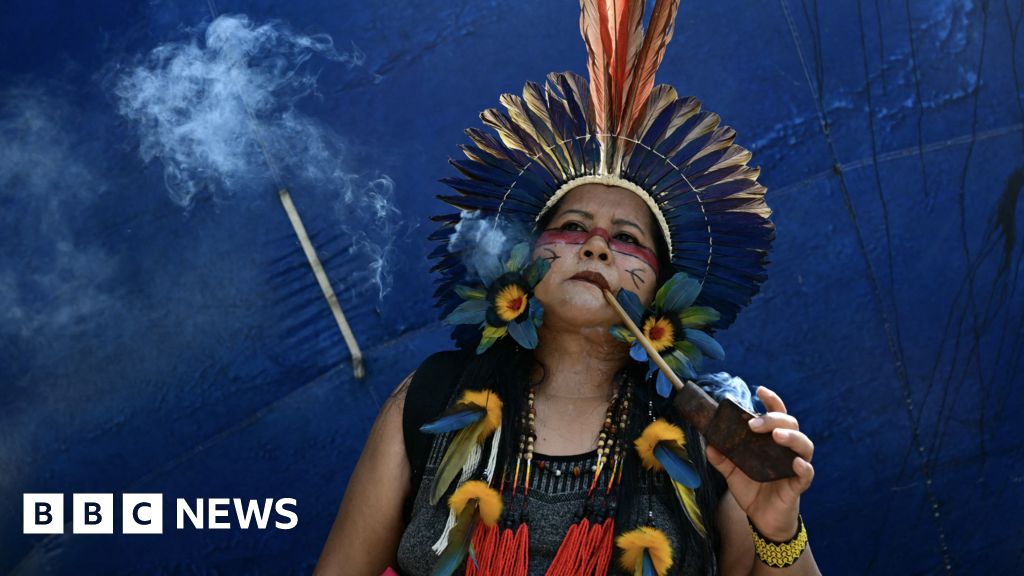
Brazil expands Indigenous Land Protections in Crucial Amazon Rainforest Move
Brazil has significantly expanded protections for Indigenous territories, a move lauded by environmental groups and human rights advocates as a vital step in combating deforestation and mitigating climate change. The declaration, made on Indigenous Peoples’ Day at COP30, marks a decisive shift from the policies of the previous governance and signals a renewed commitment to safeguarding the Amazon rainforest.
Why This Matters: The Amazon isn’t just a Brazilian treasure; it’s a critical regulator of the global climate.Protecting it is indeed essential for all of us.
A Reversal of Course
For years, the protection of Indigenous lands in Brazil stalled, especially under former President Jair Bolsonaro. His administration actively promoted mining and commercial activity on these territories, often failing to enforce existing protections.This led to increased deforestation and threats to the communities who call these lands home.
Now, with the return of President Luiz Inácio Lula da Silva, the tide is turning. No new Indigenous lands were recognized between 2018 and Lula’s recent return to office, but this new initiative is changing that.
New Protections, Important Impact
The newly protected areas encompass hundreds of thousands of hectares and are home to thousands of people from several Indigenous groups, including the Mura, Tupinambá de Olivença, Pataxó, guarani-Kaiowá, Munduruku, Pankará, and Guarani-Mbya.
Here’s what you need to know about the potential impact:
* Deforestation Prevention: Expanding Indigenous territory could prevent up to 20% of additional deforestation.
* Carbon Emission Reduction: This expansion is projected to reduce carbon emissions by 26% by 2030.
* Amazon Rainforest Preservation: One area overlaps 78% with the Amazon National Park, a biodiversity hotspot crucial for climate regulation.
* Current Coverage: Indigenous lands currently cover 117.4 million hectares – roughly 13.8% of Brazil’s territory,an area comparable to the size of Colombia.
A global Trend & Concerns
While the move is largely celebrated, it’s happening against a backdrop of increasing global restrictions on dissent and protest. More than 200 human rights groups have voiced concerns that enhanced security measures surrounding these protections could stifle opposition and marginalize land and environmental defenders.
It’s a delicate balance: protecting both the land and the rights of those who protect it.
Why Indigenous Land Rights are key to Conservation
Historically, recognizing Indigenous reserves has effectively banned destructive practices like mining, logging, and large-scale commercial farming. This is because Indigenous communities are often the most effective stewards of the land, possessing deep traditional knowledge and a vested interest in its long-term health.
You might be wondering why this is so effective. It’s simple: Indigenous-led conservation is proven to work.
The Bigger Picture: COP30 and Climate Goals
This announcement comes at a critical time, as world leaders gather at COP30 to forge agreements aimed at limiting global temperature rises to 1.5°C above pre-industrial levels. The UN’s Intergovernmental Panel on Climate Change (IPCC) warns that exceeding a 2°C warming threshold will lead to severe consequences, including:
* Extreme heat events
* Rising sea levels
* Threats to global food security
Protecting the Amazon rainforest, and empowering the Indigenous communities who safeguard it, is therefore not just a regional issue – it’s a global imperative.
A Rainforest at Risk
Despite these positive developments, the Amazon remains vulnerable. Efforts to overturn key protections are growing, potentially leading to a renewed surge in deforestation. Remember, healthy forests are vital for absorbing carbon dioxide from the atmosphere, a crucial step in combating climate change.
What can you do? Stay informed, support organizations working to protect the Amazon, and advocate for policies that prioritize sustainability and Indigenous rights.
Resources:
* BBC News: Brazil demarcates new Indigenous lands in Amazon
* [BBC News: Amazon rainforest is already at risk](https://www.bbc.