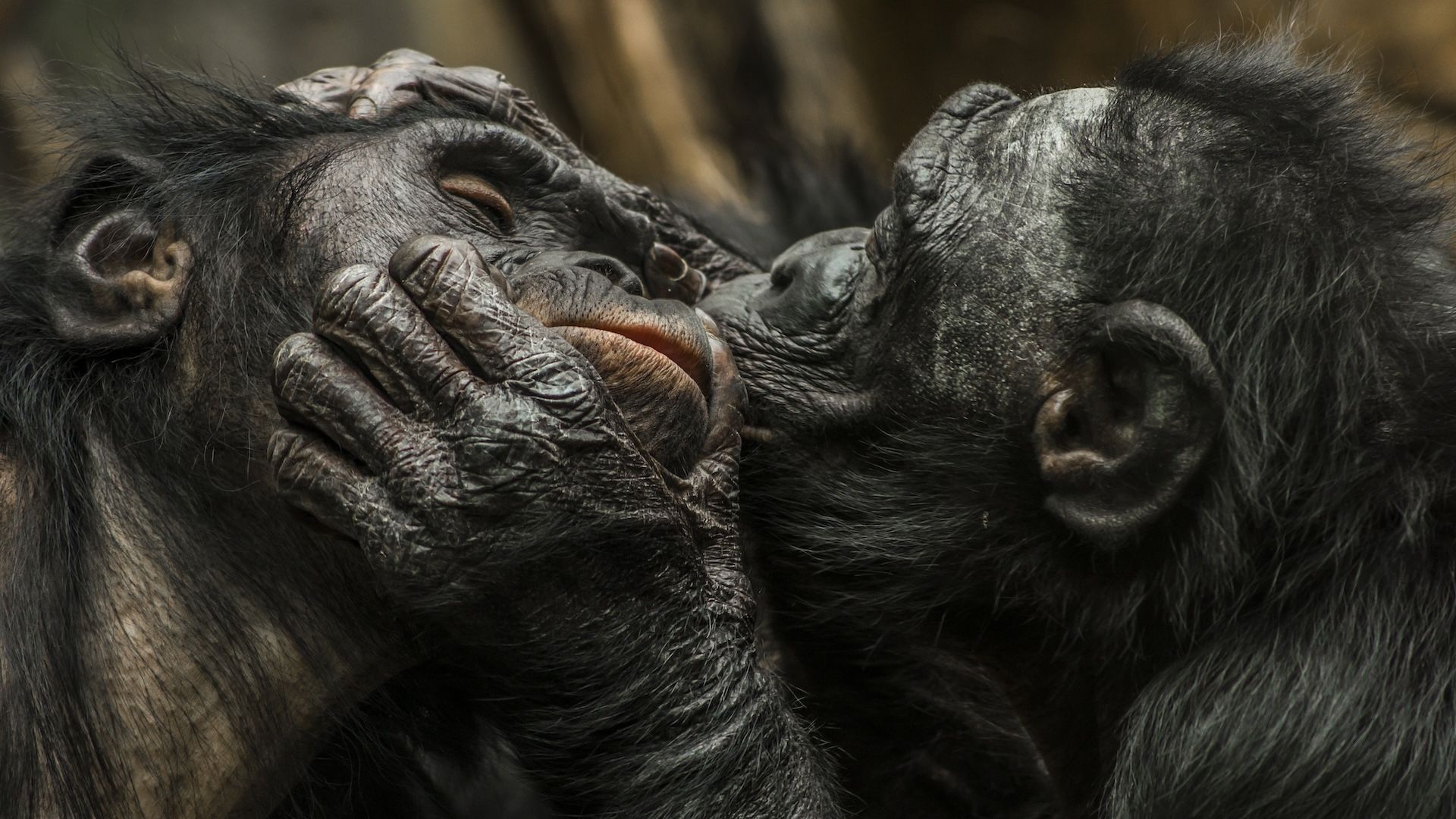
Did Neanderthals Kiss? Exploring Affectionate Behavior in Our ancient Relatives
Could our Neanderthal cousins have shared a kiss? It’s a surprisingly complex question that delves into the evolution of human behavior and the mysteries of our shared past.Recent research suggests the possibility, but a definitive answer remains elusive.
A History of Interaction: Mating with Neanderthals
Evidence clearly shows that Homo sapiens and Neanderthals interbred for a period of roughly 7,000 years. Given this interaction, it’s reasonable to wonder if affectionate behaviors, like kissing, were also part of the equation. Assuming some ancient mating rituals mirrored those of today, a degree of physical intimacy – potentially including kissing – could have occurred.
Kissing Isn’t Universal – Even today
However, it’s important to remember that kissing isn’t a globally practiced behavior, even among modern humans. Approximately half of all cultures don’t routinely engage in kissing.this variability suggests that kissing isn’t an innate, hardwired instinct, but rather a learned behavior. Therefore, it’s plausible that kissing wasn’t widespread among Neanderthals either.
Perhaps it was a practice limited to certain Neanderthal communities, while others didn’t partake.
The Purpose of Kissing: Beyond Romance
Scientists are still investigating why kissing exists at all, especially considering potential drawbacks like disease transmission. Several compelling theories attempt to explain its persistence across species.
Here are some key ideas:
* Mate Assessment: Kissing may allow individuals to subconsciously assess a potential partner’s health and genetic compatibility through chemical signals.
* Immune System Boost: The exchange of microbes during a kiss could potentially strengthen the immune system.
* Social Bonding: Kissing likely plays a role in solidifying social bonds and fostering connection.
* Reproductive Success: Ultimately, thes factors could contribute to increased reproductive success.
What Did a Neanderthal Kiss Look Like?
Imagining a Neanderthal kiss requires acknowledging their anatomical differences. Their larger mouths and robust features would have undoubtedly altered the sensation. Tho, the underlying neurological mechanisms for pleasure and bonding were likely similar to ours.
It’s also critically important to consider the context. Was it a passionate embrace, a gentle gesture of affection, or something else entirely? We simply don’t know.
The Ongoing Quest for Answers
Uncovering the truth about Neanderthal kissing is a challenging endeavor. Soft tissues don’t fossilize well, leaving us to rely on indirect evidence and informed speculation. As our understanding of neanderthal behavior and genetics continues to evolve,we may one day gain a clearer picture of their intimate lives.
For now, the question remains open, fueling our fascination with these intriguing relatives and the enduring mysteries of our shared human story.
Test Your Knowledge:
Want to learn more about our closest extinct relatives? Take our Neanderthal quiz and see how much you really know!
Related reading