Novel Compound shows Promise in Targeting Alzheimer’s Disease by Restoring Copper Balance
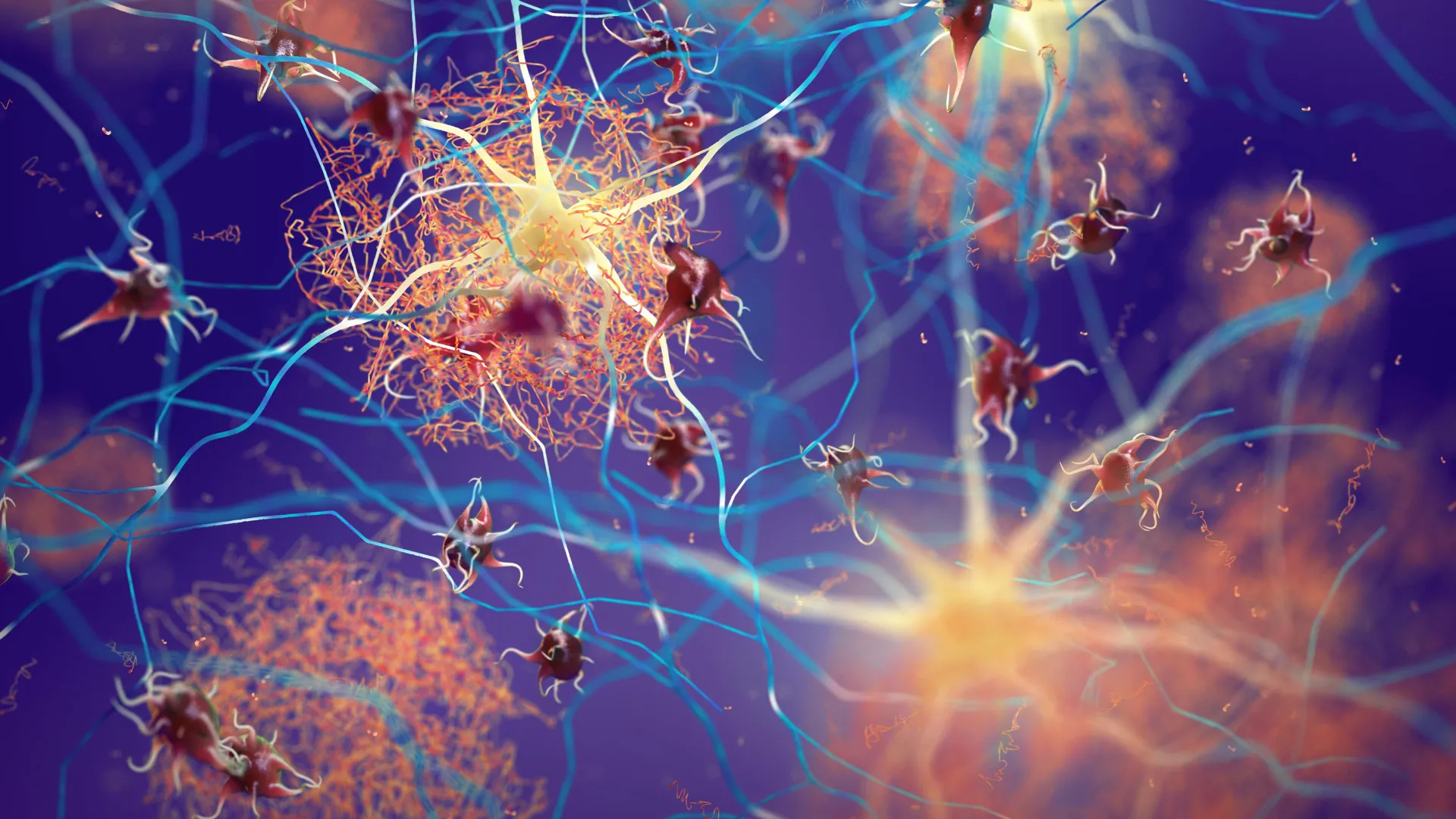
Alzheimer’s disease, a devastating neurodegenerative condition affecting an estimated 50 million people globally, remains one of the most meaningful unmet medical needs of our time. Current treatments offer limited symptomatic relief and often come with substantial financial burdens. However, groundbreaking research from the Federal University of ABC (UFABC) in Brazil is offering a new beacon of hope: a novel chemical compound demonstrating significant potential in breaking down the hallmark beta-amyloid plaques associated with the disease and restoring crucial brain function.
This research, spearheaded by Professor Giselle Cerchiaro at UFABC’s Center for Natural and Human sciences and supported by FAPESP, represents a paradigm shift in Alzheimer’s treatment strategies. Rather of solely focusing on removing amyloid plaques directly,the team has targeted a key contributing factor: the role of copper ions in plaque formation.
The Copper-Amyloid Connection: A Growing Understanding
For over a decade, research has increasingly pointed to the critical influence of copper dysregulation in the development of Alzheimer’s. Genetic predispositions and enzymatic imbalances can lead to an accumulation of copper within the brain, accelerating the aggregation of amyloid peptides into the toxic plaques that disrupt neuronal dialog and trigger inflammation.This understanding has positioned copper homeostasis – maintaining a healthy balance of copper levels – as a promising therapeutic target.
“We recognized that simply clearing amyloid plaques wasn’t enough,” explains Professor Cerchiaro.”Addressing the underlying factors that cause plaque formation,specifically the role of copper,offered a more targeted and perhaps effective approach.”
A Novel Copper Chelator with Brain-Penetrating Capabilities
The UFABC team employed a sophisticated, multi-stage research process – combining in silico (computer-based modeling), in vitro (cell culture studies), and in vivo (animal experiments) – to develop and test a series of compounds. The resulting molecules function as copper chelators, meaning they bind to excess copper within beta-amyloid plaques, effectively destabilizing and degrading these structures.
Crucially, the researchers designed these molecules to overcome a significant hurdle in Alzheimer’s drug development: the blood-brain barrier. This protective barrier, while essential for brain health, often prevents therapeutic compounds from reaching their intended targets. Through meticulous molecular design and rigorous testing, the team identified one compound that not only effectively crossed the blood-brain barrier but also demonstrated remarkable efficacy and safety.
Promising Results in Preclinical Trials
Preclinical trials conducted on rats with induced Alzheimer’s disease yielded compelling results. The lead compound demonstrably:
* Reduced Memory Impairments: Rats treated with the compound exhibited significant improvements in memory recall and retention.
* Enhanced Spatial Awareness & Learning: Improved performance in spatial navigation tasks indicated restored cognitive function.
* reversed Amyloid Plaque Patterns: Biochemical analysis confirmed a reduction in the characteristic amyloid plaque burden within the brain.
* Lowered Neuroinflammation & Oxidative Stress: The compound mitigated the damaging inflammatory processes and oxidative stress associated with Alzheimer’s.
* Restored Copper Balance: crucially, the compound re-established healthy copper homeostasis in the hippocampus, the brain region vital for memory formation.
Importantly, the compound exhibited no signs of toxicity in either cell cultures or animal models, even with close monitoring of vital signs. these findings were further validated by computer modeling, confirming the compound’s ability to effectively reach the areas of the brain most affected by Alzheimer’s pathology.
A Potential for Affordable and Accessible Treatment
The research, which formed the basis of doctoral and master’s theses at UFABC and involved collaborative synthesis work from the Federal University of São Carlos (UFSCar), has already resulted in a patent application. The team is now actively seeking partnerships with pharmaceutical companies to initiate clinical trials in humans.
Professor Cerchiaro emphasizes the potential impact of this discovery: “This is an extremely simple, safe, and effective molecule. The compound we’ve developed is considerably less expensive than currently available drugs, like monoclonal antibodies.Even if it proves effective for only a subset of Alzheimer’s patients – given the disease’s multifaceted causes – it would represent a substantial advancement in care.”
Looking Ahead: A New Era in alzheimer’s Research
While Alzheimer’s disease remains a complex challenge,the UFABC research offers a compelling new avenue for therapeutic intervention. By targeting the underlying mechanisms of plaque formation and restoring crucial copper balance, this novel compound holds the promise of not just managing symptoms, but potentially slowing or even reversing the progression of this devastating disease. The team’s commitment to affordability and accessibility further underscores the potential for this discovery to significantly improve the lives of millions affected by Alzheimer’s worldwide.
Sources:
* Camargo, M.L.M. Doctoral Thesis,
Related reading