nord Stream Sabotage: Ukrainian Suspect extradition Approved by Italy
The recent approval by italys Supreme Court of Cassation to extradite Serhii Kuznietsov to Germany marks a notable advancement in the ongoing investigation into the 2022 sabotage of the Nord Stream pipelines. This case, shrouded in geopolitical complexity, has sparked international debate and raised critical questions about energy security in Europe. Kuznietsov, a Ukrainian national, is accused of being part of a cell responsible for the underwater explosions that crippled these vital gas arteries linking Russia and Europe, just months after the escalation of the Russia-Ukraine war.This article delves into the details of the extradition, the accusations against Kuznietsov, the broader context of the pipeline damage, and the implications for international relations.
Understanding the Nord Stream Pipeline Attacks
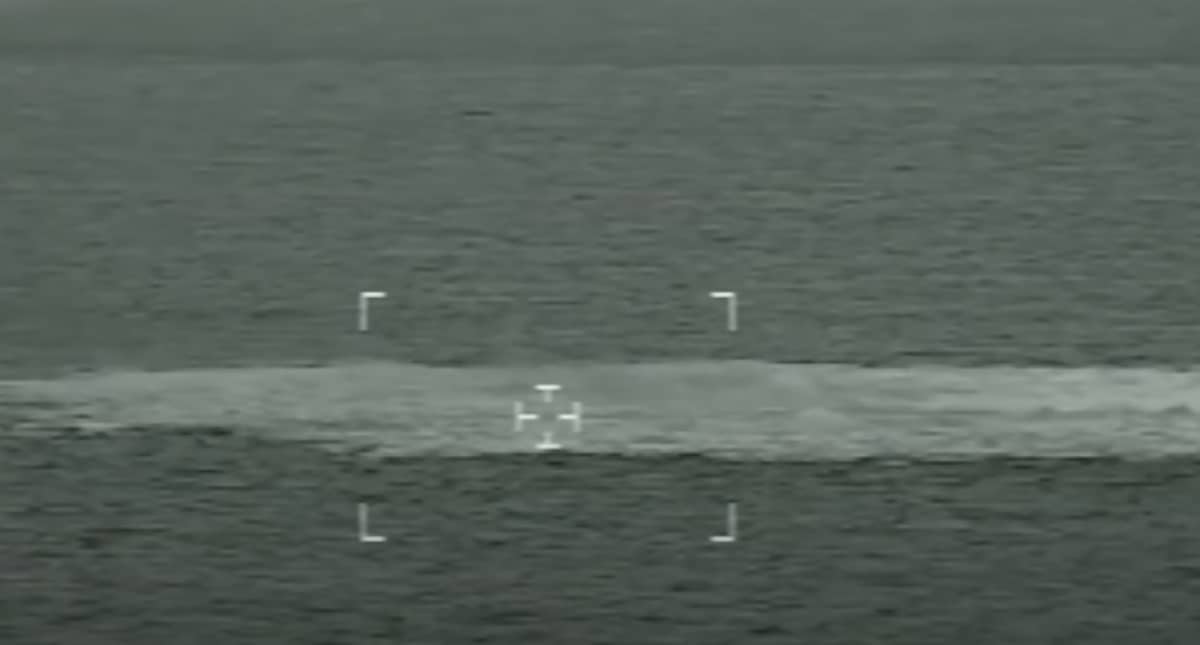
The Nord Stream 1 and 2 pipelines,representing a substantial portion of russia’s gas exports to Europe,were damaged by a series of underwater blasts in September 2022. The incidents triggered a surge in energy prices and heightened anxieties about Europe’s reliance on Russian energy sources. Investigations quickly pointed towards deliberate sabotage, with numerous countries launching their own inquiries.
Did You no? The nord Stream pipelines had a combined capacity to deliver 110 billion cubic meters of natural gas per year, enough to heat millions of European homes.
The damage wasn’t merely physical; it represented a blow to European energy infrastructure and a significant escalation of tensions in the region. While obligation has been a subject of intense speculation, german investigations have focused on a Ukrainian cell, alleging their direct involvement in the attacks.
The Case Against Serhii Kuznietsov: Allegations and Defense
Serhii Kuznietsov is one of six individuals – five men and one woman – identified by German authorities as being involved in the sabotage operation. Prosecutors allege that Kuznietsov utilized forged identity documents to charter a yacht from Rostock, Germany, which was then used to transport explosives to the pipeline locations.
However, Kuznietsov vehemently denies any involvement. His defense team argues that he was actively serving in the ukrainian armed forces at the time of the incident, claiming “functional immunity” under international law. This assertion suggests that, if proven, his military service would shield him from prosecution for actions allegedly taken while on duty.
Pro Tip: Understanding the concept of “functional immunity” is crucial in international law. It protects individuals acting on behalf of their state from prosecution in othre jurisdictions, provided their actions are directly related to their official duties.
The extradition process has been fraught with legal challenges. Italy initially blocked the transfer on October 15th due to concerns regarding the validity of the German arrest warrant. Though, following a review by the Supreme Court of Cassation, the extradition was ultimately approved on Wednesday, paving the way for Kuznietsov’s transfer to Germany within the coming days. If convicted in Germany, he faces a potential prison sentence of up to 15 years.
Italy’s Role and the Extradition process
Italy’s initial hesitation stemmed from procedural concerns regarding the German arrest warrant. The Supreme Court of Cassation needed to ensure the warrant met all legal requirements before authorizing the extradition. This highlights the rigorous legal standards applied in international extradition cases, designed to protect individual rights and ensure due process.
The final approval demonstrates Italy’s commitment to cooperating with international investigations into serious crimes, particularly those with significant geopolitical implications. The extradition process underscores the importance of judicial collaboration in addressing complex transnational issues.
Implications for European Energy Security and Geopolitics
The Nord Stream pipeline sabotage has had a profound impact on European energy security. The disruption of gas supplies forced European nations to seek option energy sources, accelerating the transition towards renewable energy and diversifying gas import routes.This has led to increased reliance on suppliers like Norway and the United States, reshaping the European energy landscape.
Furthermore, the incident has exacerbated geopolitical tensions between Russia and the West. Accusations of Russian involvement, though denied by Moscow, have fueled mistrust and contributed to a further deterioration in relations. The investigation continues to be a sensitive issue, with potential ramifications for international diplomacy.
hear’s a speedy comparison of the key facts:
| Aspect | Details |
|---|---|
| Suspect | Serhii Kuznietsov (Ukrainian National)
Related reading |