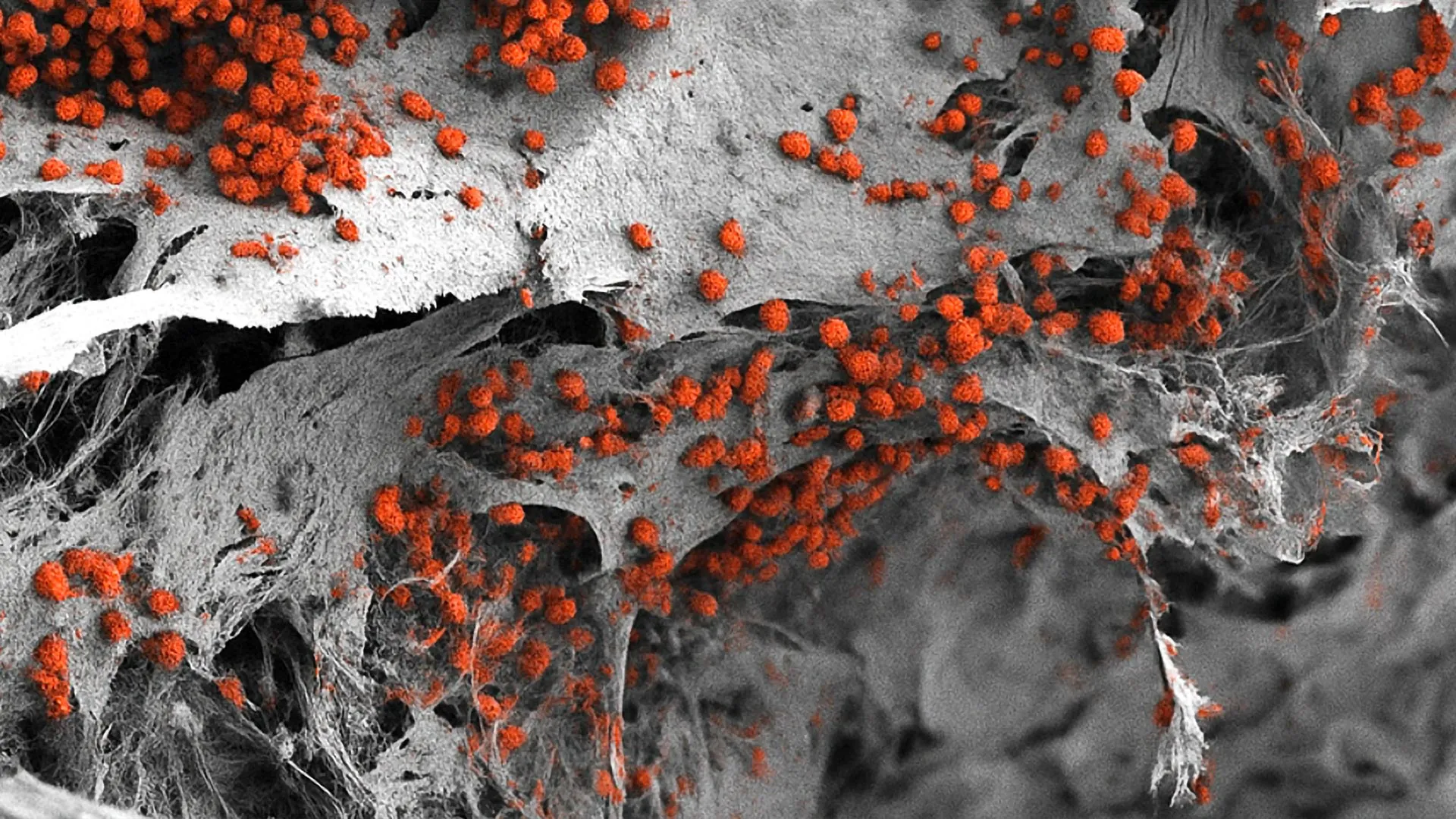
Human Bone Marrow Recreated in the Lab: A Breakthrough for Blood Disease Research & Personalized Medicine
(Published November 20, 2025)
For decades, understanding the intricacies of human blood production has been hampered by reliance on animal models and overly simplified laboratory systems. Now, a team of researchers at the University of Basel and University Hospital Basel has achieved a landmark feat: the creation of a fully human, functional bone marrow model in vitro. This breakthrough promises to revolutionize research into blood cancers, accelerate drug revelation, and pave the way for truly personalized treatments.
Why Bone Marrow Research Matters
Bone marrow, often overlooked in everyday health awareness, is the body’s central “blood factory.” This complex tissue, comprised of bone cells, nerves, blood vessels, and a diverse array of cellular components, is responsible for the continuous production of red blood cells, white blood cells, and platelets - essential for life.
when bone marrow function is disrupted, as seen in blood cancers like leukemia and lymphoma, the consequences can be devastating. A deep understanding of normal blood production, and the mechanisms that lead to its failure, is thus critical for developing effective therapies.
The Limitations of current Research Methods
Historically,bone marrow research has faced meaningful hurdles.
* Animal Models: While valuable, animal models (primarily mice) don’t perfectly replicate human bone marrow biology. Differences in cellular composition, immune responses, and disease progression can lead to inaccurate or misleading results.
* Simplified In Vitro Systems: Traditional cell cultures lack the complex 3D architecture and cellular interactions found within the human bone marrow surroundings. These simplified systems often fail to capture the nuances of blood cell progress and disease.
A Realistic Human bone Marrow Model: The Cell Stem Cell Publication
Published in the prestigious journal Cell Stem Cell, the University of Basel team, led by Professor Ivan Martin and Dr. Andrés García García, details the creation of a groundbreaking bone marrow model constructed entirely from human cells. This isn’t simply a collection of cells; it’s a meticulously engineered system designed to mimic the natural environment where blood cells are born.
Understanding the Bone Marrow Niche
The key to this advancement lies in replicating the “bone marrow niche” - specialized microenvironments within the bone marrow that regulate blood cell production. One notably important niche, the endosteal niche, resides near the bone surface and is critically involved in the development of blood-forming stem cells. It’s also a key area implicated in the development of treatment resistance in blood cancers.
the endosteal niche is a bustling hub of activity, containing:
* Blood Vessels: Providing essential nutrients and oxygen.
* Immune Cells: Regulating the immune response and protecting against infection.
* Nerves: Emerging research suggests nerves play a crucial role in regulating blood cell production.
* Bone Cells: Providing structural support and signaling cues.
Previous attempts to model bone marrow in the lab have struggled to incorporate all of these components into a single, functional system.
How the Model Was Built: A Step-by-Step Approach
The researchers employed a sophisticated approach, combining biomaterials science and cutting-edge stem cell technology:
- Artificial Bone Scaffold: The foundation of the model is a 3D scaffold constructed from hydroxyapatite, a naturally occurring mineral found in bones and teeth. this provides a biocompatible and structurally sound base.
- Human Pluripotent Stem cells: The team utilized human cells that had been reprogrammed into pluripotent stem cells. These “blank slate” cells possess the remarkable ability to differentiate into any cell type in the body, given the appropriate signals.
- Controlled Differentiation: By carefully controlling the environment surrounding the stem cells, the researchers guided their development into the diverse range of cell types found within the bone marrow, including blood-forming stem cells, bone cells, and immune cells.
- 3D Architecture & Scale: The resulting structure isn’t just a collection of cells; it’s a complex, three-dimensional architecture that closely resembles the human endosteal niche. Importantly,this model is significantly larger than previous attempts,measuring 8mm in diameter and 4mm in thickness,allowing for more sustained and extensive study.
Key Findings: Sustained Blood Cell Formation
The researchers demonstrated that their model could successfully maintain human blood cell formation in vitro for several weeks – a significant achievement. this sustained activity confirms the model’s functionality and its potential for long-term studies.
Implications for Research & Treatment
This breakthrough has far-reaching implications:
* Reducing Animal Experiments: “We have learned a great deal about how bone marrow works from mouse studies,” explains Professor Martin. “Though, our model brings us closer to the biology of the human organism.