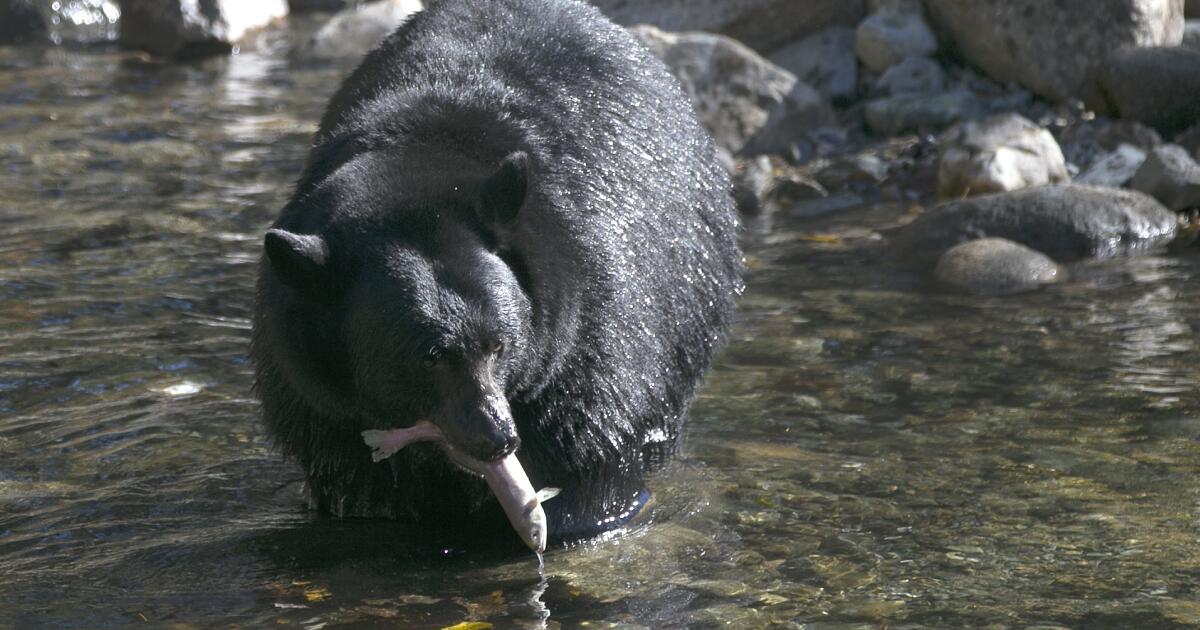
Understanding Fall Hyperphagia: Why Bears Become More Active – and How to Stay Safe
Updated November 21, 2025
As the leaves change and temperatures drop, a dramatic shift occurs in the behavior of black bears. This isn’t simply a readiness for hibernation; it’s a period of intense, biologically-driven feeding known as hyperphagia. Understanding this phenomenon is crucial for both bear safety and human safety,particularly for those living in or visiting bear country.This article provides a comprehensive overview of fall hyperphagia,its impact on bear behavior,and actionable steps you can take to minimize encounters and ensure a safe autumn season.
What is Hyperphagia? The Biological Drive Behind Fall Bear Activity
Hyperphagia, derived from the Greek words meaning “excessive eating,” is a physiological state bears enter in late summer and fall. It’s not merely an increased appetite; it’s a fundamental biological imperative. Bears need to accumulate massive fat reserves – often doubling their body weight – to survive months of dormancy during hibernation.
This intense caloric need translates to a daily intake of 20,000 to 25,000 calories. To put that into perspective, a typical human consumes around 2,000 calories per day. Driven by this overwhelming need, bears will spend up to 20 hours a day actively foraging for food.
How Hyperphagia Changes Bear Behavior: Expanding Ranges & Increased Risk
The sheer volume of calories required during hyperphagia dramatically alters bear behavior in several key ways:
* Expanded Search Radius: Bears venture far beyond their typical territories, exploring new areas in search of food sources.This expansion often leads them into closer proximity to human populations and residential areas.
* reduced Fear of Humans: The drive to eat overrides caution. Bears become less wary of humans and more willing to take risks to access potential food sources.
* Increased Boldness: Once a bear discovers a reliable food source – like unsecured garbage – it will repeatedly return, becoming progressively bolder with each visit. Bears possess excellent memories and quickly learn where and how to obtain easy meals.
* Altered Activity Patterns: While often associated with daytime foraging, hyperphagia can also lead to increased bear activity at dawn and dusk, and even overnight, as they relentlessly pursue calories.
Recent Incident Highlights the Growing Risk
A recent incident in South Lake Tahoe, Nevada, underscores the potential dangers of hyperphagia. On November 20, 2025, an 87-year-old man was scratched by a black bear after encountering it in his garage while retrieving firewood. The bear then entered the home and scratched the man’s wife before exiting through doors and windows opened by the couple’s granddaughter. Both residents were treated for minor injuries.
According to Ashley Zeme,spokesperson for the Nevada Department of Wildlife,this escalation,while rare,is a direct result of fall hyperphagia.”Bears are seeking a staggering amount of calories,” Zeme explained. “Garbage in neighborhoods provides that all in one spot, making it a highly attractive – and dangerous – option.”
Preventing Bear Encounters: A Proactive Approach
The vast majority of bear-related incidents are directly linked to human behavior,specifically the improper storage of food and attractants. Here’s a comprehensive guide to minimizing risks:
1. Secure Your Garbage:
* Wildlife-Resistant Containers: Invest in certified wildlife-resistant garbage cans. These are designed to withstand a bear’s strength and determination.
* Storage: Store garbage cans in a secure location – inside a garage or shed – until collection day.
* Avoid Early Placement: Never place garbage cans outside the night before collection.
2. Eliminate Other Attractants:
* Bird Feeders: remove bird feeders, as seeds are a high-calorie food source.
* Pet Food: Never leave pet food outdoors.Store it securely inside.
* Coolers: Keep coolers empty or stored securely when not in use.
* Barbecue Grills: Clean barbecue grills thoroughly after each use to remove food residue.
* Fruit Trees & Gardens: Harvest ripe fruit promptly and consider electric fencing around gardens.
* Beehives & Chicken Coops: Protect these with electric fencing.
3. Protect Your Home:
* Lock Doors & Windows: Ensure all doors and windows are securely locked, especially at night.
* Vehicle Security: Keep vehicles locked and free of food items. Bears can smell food from a considerable distance and
Related reading