Resurgent Terrorism Threat in Jammu & Kashmir: A Deep Dive into Evolving Tactics and Rising Concerns
Recent intelligence assessments paint a concerning picture of escalating terrorist activity in Jammu & Kashmir (J&K), signaling a shift in tactics and a renewed push by Pakistan-backed groups too destabilize the region. While notable progress has been made in curbing local recruitment, a surge in foreign terrorist infiltration, coupled with the emergence of a sophisticated “white-collar” terror network, presents a complex and evolving challenge for Indian security forces. This analysis provides a thorough overview of the current situation, drawing on intelligence reports and expert observations to assess the threat landscape and potential implications.
A Dramatic Increase in Foreign Terrorist Presence
For years, counter-terrorism operations in J&K focused heavily on dismantling local recruitment networks and eliminating homegrown militants. These efforts have yielded notable results, with 2024 and early 2025 witnessing a reported “zero recruitment” of local youth into terrorist organizations. However, this success has been counterbalanced by a dramatic increase in the influx of foreign fighters, primarily from Pakistan.
Current estimates indicate 131 active terrorists operating in J&K, a stark doubling from the 59 active in March 2025. A staggering 122 of these are confirmed Pakistani nationals, belonging to groups like Lashkar-e-Taiba (LeT), Jaish-e-Mohammed (JeM), and Hizbul Mujahideen, alongside affiliates like The Resistance Front (TRF) and People Against Fascism and Oppression (PAFF). The concentration of these foreign fighters is especially pronounced in the Chenab Valley and Pir Panjal regions, where a robust terrorist ecosystem provides support and logistical assistance.
Exploiting Vulnerabilities: Infiltration Routes and Winter Strategy
Intelligence sources reveal a deliberate strategy by terrorist groups to exploit vulnerabilities along the Line of Control (LoC). Reconnaissance activities are underway to identify gaps for large-scale infiltrations, potential aerial weapon drops, and targeted attacks on security forces and political figures. This is particularly concerning as the window for infiltration narrows with the onset of winter.
However, groups are adapting. A shift towards “winter-hardened training” is enabling fighters to sustain operations despite heavy snowfall, leveraging reduced visibility for covert movement. Furthermore, narco-terror and arms smuggling routes through Punjab and Rajasthan are expanding, providing crucial funding and logistical support for terrorist activities. The reactivation of 15 terror camps in Pakistan-Occupied Kashmir (PoK) by the Inter-Services intelligence (ISI) further underscores the deliberate and coordinated nature of this renewed offensive. Infiltration attempts have demonstrably increased as September, suggesting imminent attacks in the coming weeks.
The Emerging Threat: A sophisticated “White-Collar” Terror Network
Perhaps the most alarming development is the emergence of a highly sophisticated “white-collar” terror network. This involves the radicalization and recruitment of educated, highly qualified individuals who are then integrated into terrorist activities. This represents a significant departure from conventional recruitment patterns and poses a unique challenge to security agencies.
The recent busting of a module linked to a JeM poster case and the November 10th Delhi blast has exposed the extent of this network. Authorities are still grappling with the true depth of its penetration into social structures. These recruits are being groomed for roles as suicide attackers or covert operatives embedded within civil society, making detection and disruption substantially more difficult.
A senior intelligence official highlighted the shift, stating that while Over Ground Worker (OGW) networks have been largely dismantled and local recruitment halted, “this gap is being filled by unknown recruits who where never on our radar.” This underscores the need for a recalibration of intelligence gathering and analysis to identify and neutralize this new threat.
Operational Response and National Security Implications
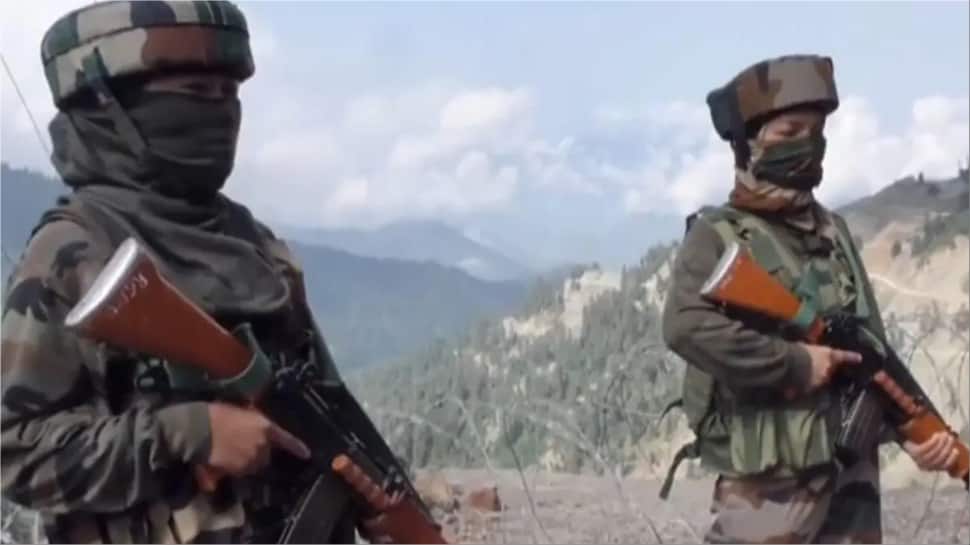
In response to the escalating threat, Indian security forces – including the Army, CRPF, and J&K Police – are operating at maximum alert. Enhanced security measures are in place, including:
* Intensified LoC patrols and surveillance: Utilizing drone countermeasures, radar technology, and increased manpower.
* Vehicle checks and mobile checkpoints: Targeting potential movement of terrorists and weapons.
* Nationwide vigilance: Similar security measures are being enforced in sensitive and densely populated cities across the country.
While 31 terrorists have been neutralized so far this year,including 21 Pakistani nationals,security forces and civilians have tragically suffered losses,with 28 civilians and 16 personnel killed in the same period. (The Nawgam Police Station incident was classified as an accident and excluded from these figures). Historically, 6
Keep reading