
Navigating Hair Loss: Treatments, Acceptance, and Finding Your Support
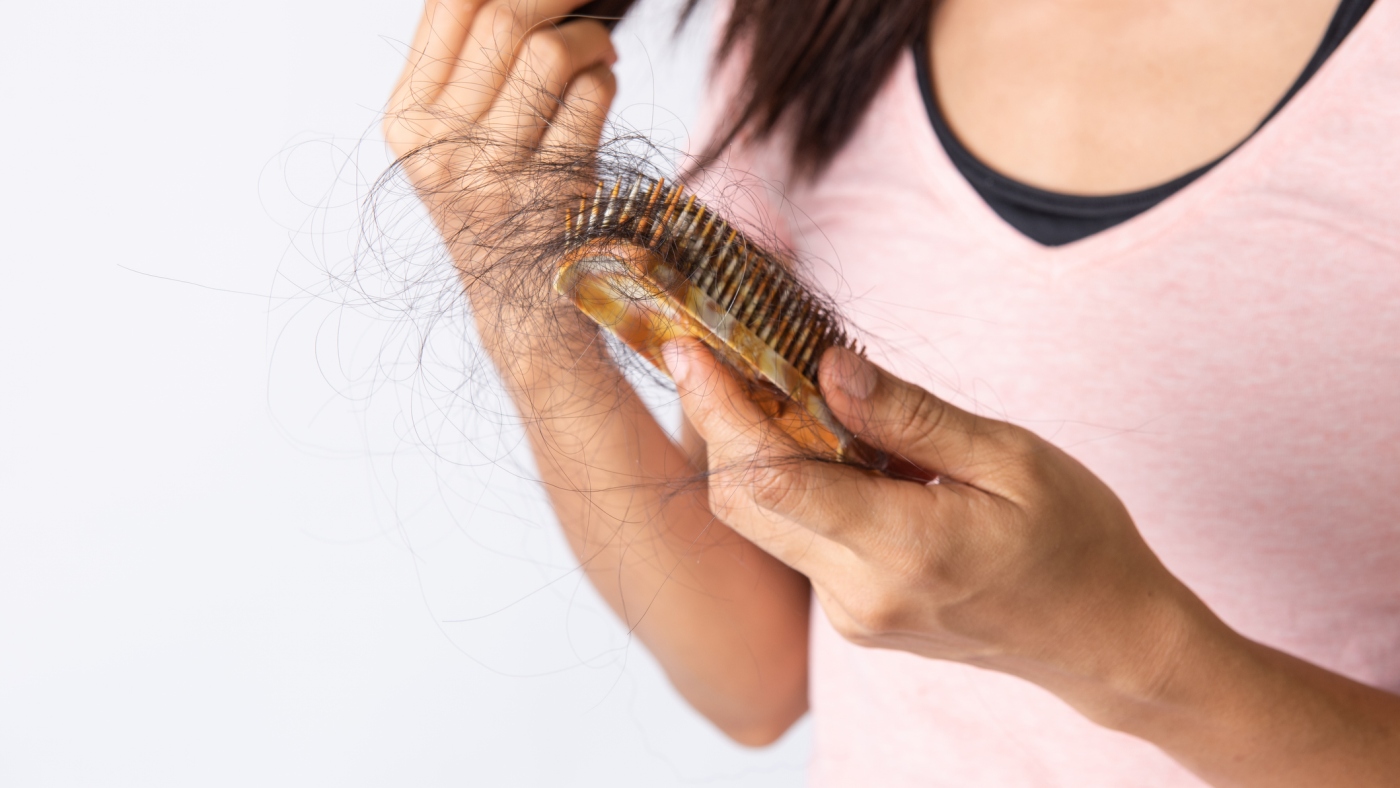
Hair loss can be a deeply personal and often distressing experience. Whether it’s pattern baldness, alopecia areata, or another cause, understanding your options – both medical and emotional – is crucial. This guide provides a thorough overview of current treatments, the importance of self-acceptance, and where to find a supportive community.
Understanding the types of Hair Loss
It’s important to first understand why you’re experiencing hair loss. Several factors can contribute,including genetics,hormonal changes,autoimmune conditions,and stress.
* Pattern Hair Loss: This is often hereditary and presents as gradual thinning.
* alopecia Areata: An autoimmune condition where the body attacks hair follicles, leading to patchy hair loss.
* telogen Effluvium: temporary hair shedding often triggered by stress, illness, or childbirth.
A dermatologist can accurately diagnose the cause of your hair loss and recommend the most appropriate course of action.
Current Treatment Options: A Spectrum of Approaches
Fortunately, you have several options to address hair loss, ranging from over-the-counter solutions to prescription medications and emerging therapies.
Over-the-Counter Solutions:
* minoxidil (Rogaine): This topical foam lengthens the hair growth cycle, possibly keeping more hair on your head. However, it can be messy and requires consistent use.
* Specialized Shampoos & Conditioners: While not a cure, these can strengthen existing hair and minimize breakage.
Prescription medications:
* Spironolactone: some doctors prescribe this off-label to treat pattern hair loss, but it’s essential to discuss potential side effects with your physician.
* Oral Minoxidil: A pill form of minoxidil is available, offering a different delivery method.
* JAK Inhibitors: recently approved for alopecia areata, these medications target the immune system to reduce inflammation and promote hair regrowth. Studies show promising results compared to placebos.
Critically important Note: Always discuss any medication – prescription or over-the-counter – with your doctor, especially if you are pregnant, nursing, or have underlying health conditions.
Beyond treatment: Embracing Acceptance and Redefining Beauty
While treatments can be effective, it’s equally important to address the emotional impact of hair loss. Many women find strength and empowerment in accepting their hair loss and redefining their personal definition of beauty.
It’s okay to explore different ways to feel confident and comfortable in your own skin. This might involve:
* Head coverings: Scarves, hats, and wigs can be stylish and protective.
* Embracing a bald head: For some, going bareheaded can be liberating and empowering.
* Focusing on self-care: Prioritizing your overall well-being can boost your confidence.
Remember, hair loss doesn’t diminish your worth or beauty.
The Power of Community and Support
you are not alone in this journey.Connecting with others who understand what you’re going through can be incredibly valuable.
* Online Forums: Platforms like Reddit offer spaces to share experiences, ask questions, and find encouragement.
* Support Groups: Local or online support groups provide a safe environment to connect with others facing similar challenges.
* Hair Loss Influencers: Many individuals openly share their experiences with hair loss on social media, offering inspiration and practical advice.
Finding a supportive community can help you navigate the emotional challenges of hair loss and feel empowered to embrace your unique beauty.
Finding a Doctor Who Listens
The right dermatologist can make all the difference. look for a doctor who:
* Takes the time to listen to your concerns.
* asks thorough questions about your medical history and lifestyle.
* Monitors you closely for any side effects from medications.
* Is open to discussing all your treatment options.
Hair loss is a complex issue, but it’s not “game over.” With the right information,support,and self-compassion,you can navigate this challenge and live a full,





![Remembering [Activist’s Name]: A Hungarian Hero’s Legacy
or
[Activist’s Name]: Honoring a Champion of Hungarian Freedom
or
Hungarian Activist [Activist’s Name] – Life, Work & Remembrance](https://i0.wp.com/www.hrw.org/sites/default/files/styles/opengraph/public/media_2025/12/202512eca_hungary_Gyula%20Balog.jpg?resize=150%2C100&ssl=1 "Remembering [Activist’s Name]: A Hungarian Hero’s Legacy
or
[Activist’s Name]: Honoring a Champion of Hungarian Freedom
or
Hungarian Activist [Activist’s Name] – Life, Work & Remembrance")

