Navigating the Complexities of the Ukraine Conflict: Aid, Diplomacy, and a Contentious Peace Plan
The war in Ukraine continues to reshape the geopolitical landscape, demanding careful attention to evolving dynamics on the ground and the diplomatic efforts to find a path toward resolution. Recent developments highlight both the immense financial strain the conflict is causing and the challenges surrounding proposed peace initiatives.
Financial toll and Ongoing Support
the economic impact of the war is staggering. Estimates suggest that Ukraine has suffered approximately 38 billion euros in damage as the Russian invasion began, a figure calculated through August of this year. This underscores the critical need for sustained international financial assistance to support Ukraine’s recovery and resilience.
Diplomatic Efforts: A Focus on Grain exports and Future Talks
Diplomatic channels remain open, albeit complex. A key focus is the potential revival of the Black Sea grain Initiative, a crucial agreement that facilitated the export of ukrainian grain, helping to stabilize global food prices. Discussions are underway, with a planned call between the Turkish President and his Russian counterpart aimed at exploring a reactivation of this vital corridor.
this initiative is seen as incredibly beneficial, particularly given the global implications of food security. You can understand why securing this agreement is a priority for many nations.
A Peace Plan Under Scrutiny
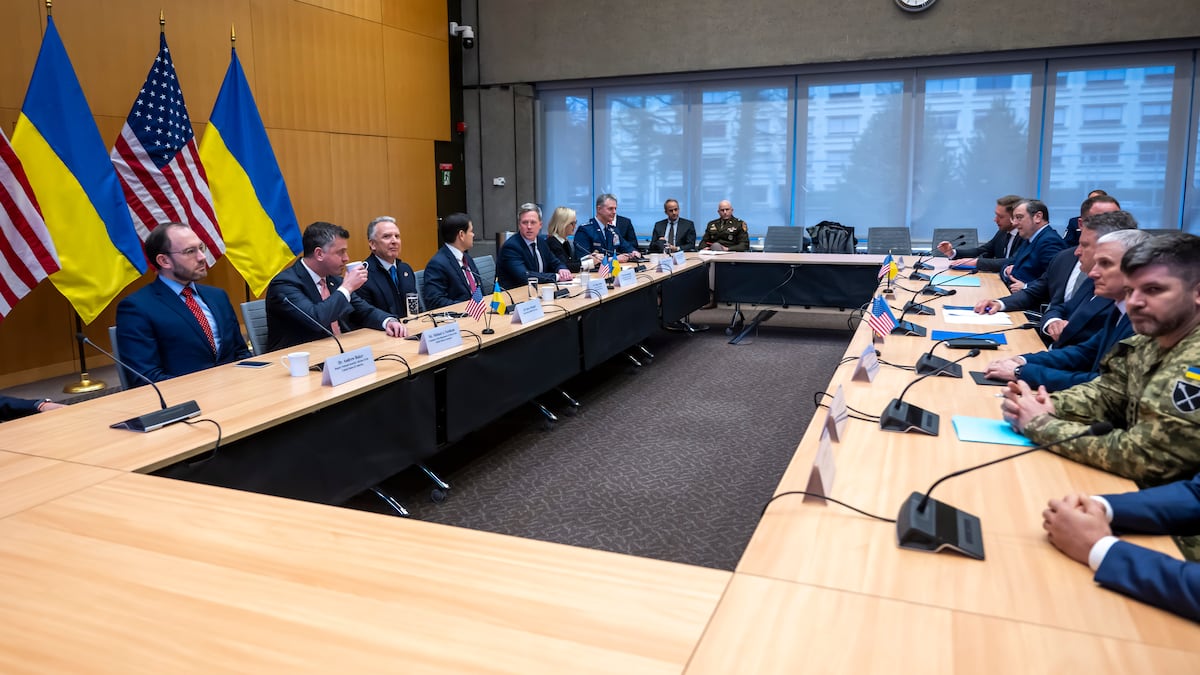
A recently proposed Russian-American peace plan, consisting of 28 points, has become a focal point of debate and suspicion.Initial reports suggested the plan originated with the Russian side, prompting concerns among U.S.lawmakers. However, American officials have firmly asserted that the plan was drafted by the United States, incorporating input from both Russia and Ukraine.
This discrepancy in attribution has fueled skepticism, particularly among Ukraine’s allies. They’ve expressed reservations, stating the current iteration of the plan leaves Ukraine vulnerable to future attacks.
Allied Concerns and Calls for Revision
Several nations, including key allies of ukraine who convened at the G-20 summit, have voiced the need for substantial revisions. They believe the plan, as it stands, requires further work to adequately address Ukraine’s security concerns.
Here’s a breakdown of the core concerns:
* Security Vulnerabilities: The current plan doesn’t sufficiently protect Ukraine from renewed aggression.
* Attribution Uncertainty: Questions surrounding the plan’s origin undermine trust and collaborative efforts.
* Need for Complete Revision: Allies are calling for a more robust and equitable framework.
A Demand for Clarity
The Polish Prime Minister succinctly captured the prevailing sentiment, stating a clear need to determine the plan’s true authorship and origin before moving forward. This call for transparency reflects a broader desire for a more credible and trustworthy foundation for peace negotiations.
It’s understandable why nations would hesitate to commit to a plan shrouded in ambiguity. You deserve to no the details and the motivations behind any proposed resolution.
Looking Ahead
The situation remains fluid and challenging. While diplomatic efforts continue, the path to a lasting peace is fraught with obstacles. A triumphant resolution will require transparency, genuine commitment from all parties, and a focus on ensuring Ukraine’s long-term security and sovereignty.
Ultimately, the goal is to achieve a just and sustainable peace that respects international law and upholds the principles of sovereignty and territorial integrity. This is a complex undertaking, but one that is essential for regional and global stability.