Teh Chrysler XI-2220: A Forgotten HEMI That Almost Redefined WWII Aviation
Chrysler, a name synonymous with American automotive innovation, onc ventured into the demanding world of aircraft engine design. Their foray began with an initial interest from the military to develop a high-speed pursuit aircraft engine.This lead to a 1941 contract for what became known as the XI-2220 – a project that woudl ultimately birth Chrysler’s first HEMI engine.
A Response to a Critical Need
The requirements were stringent. The engine needed to deliver a substantial 2,000 horsepower while minimizing vibration and boasting an exceptionally streamlined profile.Chrysler’s engineers rose to the challenge with a bold and innovative solution: a liquid-cooled V16 engine.
This wasn’t just any V16.It was ingeniously constructed from two inverted V8s, driving through a gearbox located at the front of the aircraft. Each cylinder featured two valves and a 139 cubic inch displacement, all crowned with hemispherical combustion chambers – a design element that would become a hallmark of Chrysler’s legendary HEMI engines.
Power and Performance Specifications
Let’s break down the key specifications of this remarkable engine:
* Total Displacement: approximately 2,220 cubic inches.
* Horsepower: 2,500 horsepower during takeoff, thanks to a GE turbocharger and intercoolers.
* Design: Liquid-cooled V16, comprised of two inverted V8s.
* Cylinder Configuration: Two valves per cylinder, hemispherical combustion chambers.
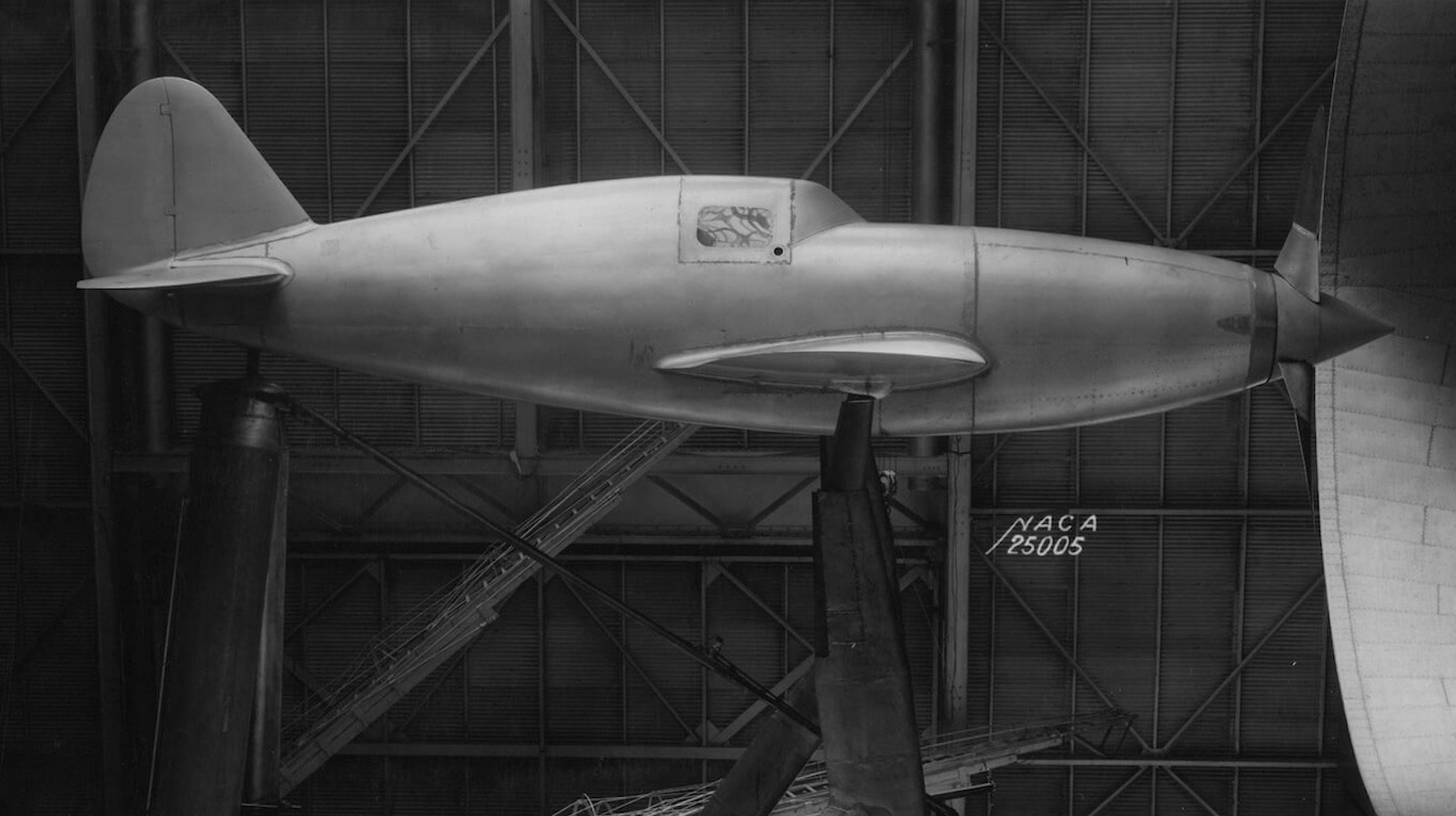
The Chrysler V16 successfully took to the skies after undergoing rigorous testing in two modified XP-47H versions of the already formidable Republic P-47 Thunderbolt. You might recognize the P-47 as a true workhorse of WWII, known for its durability and firepower.
A Promising Engine, Arriving at the Wrong Time
The first test flight of the XI-2220 in a P-47 occurred on July 27, 1945. subsequent testing continued until October 31, 1945. Despite demonstrating significant aerodynamic and performance improvements over the P-47’s original radial engine, the timing proved unfortunate.
World War II had already concluded by the time the XI-2220 completed its final test flight. The urgent need for high-performance propeller-driven aircraft had diminished. Furthermore, a paradigm shift was underway. The future of aerial warfare was rapidly becoming clear: it belonged to jets.
This realization signaled the end of the line for the Chrysler V16 HEMI. The dawn of the jet age was changing warfare forever, rendering the advanced piston engine obsolete.
Legacy Preserved: Where You Can See the XI-2220 Today
Fortunately, the story doesn’t end with the engine’s cancellation.Three examples of the XI-2220 V16 engine have survived to this day, offering a tangible link to this captivating chapter in aviation history.
* Serial Number D-000001: New England Air Museum, Windsor Locks, Connecticut.
* Serial Number D-000005: chrysler Foundation, Auburn Hills, Michigan.
* Serial Number D-000006: Smithsonian National Air & Space Museum, Chantilly, Virginia (includes the firewall of the XP-47H it powered).
These preserved engines stand as a testament to Chrysler’s ambition, engineering prowess, and a glimpse into a world where the piston engine might have continued to dominate the skies. It’s a reminder that even the most innovative designs can be overtaken by the relentless march of technological progress.
Related reading