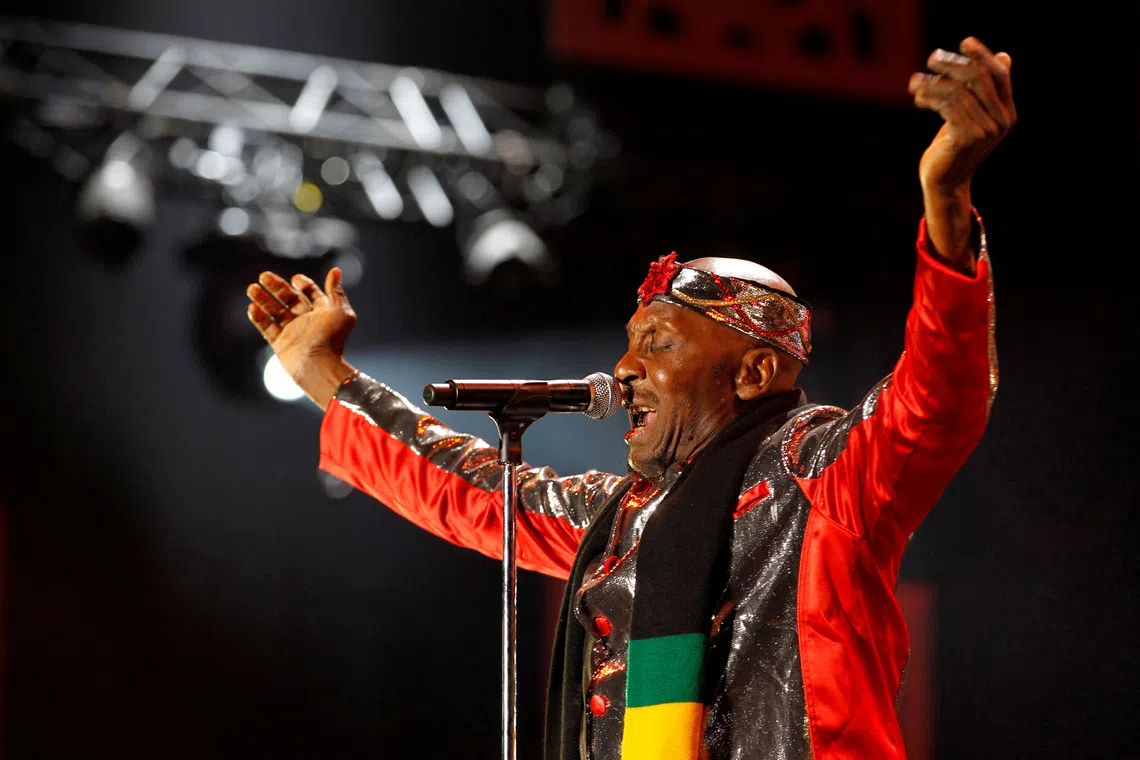
Jimmy Cliff, Reggae Pioneer and Voice of a Generation, Dies at 79
The music world mourns the loss of Jimmy Cliff, a true icon of reggae and a globally celebrated artist, who passed away on Monday at the age of 79. His wife, Latifa chambers, announced his death via facebook, citing a seizure followed by pneumonia as the cause. Cliff leaves behind a legacy spanning six decades, a testament to his enduring talent and unwavering dedication to his craft.
this isn’t just the passing of a musician; it’s the silencing of a voice that resonated with millions, a voice that spoke of struggle, hope, and the vibrant spirit of Jamaica. If you’re unfamiliar with his work,prepare to discover a catalog that profoundly shaped modern music.
From Hurricane Birth to International Stardom
Born James Chambers on July 30, 1944 - remarkably, during a hurricane – in St. James Parish, Jamaica, Cliff’s journey began on a family farm. Driven by ambition, he moved to Kingston in the 1950s with his father, determined to make his mark on the burgeoning music scene.
His breakthrough came early. At just 14 years old, he penned and performed “Hurricane Hattie,” instantly becoming a national sensation. This early success foreshadowed a career defined by both prolific songwriting and captivating performances.
Cliff’s impact unfolded across decades, encompassing:
* Over 30 Albums: A vast and diverse discography showcasing his evolution as an artist.
* Global Performances: From Paris and Brazil to the 1964 World’s Fair in New York, he brought reggae to the world.
* Collaboration with Legends: He shared stages and studios with the Rolling Stones, Elvis Costello, annie Lennox, and Paul Simon, solidifying his place amongst music royalty.
“The Harder They Come” and the Rise of Reggae
Cliff’s influence extended beyond the recording studio. he transitioned into acting, starring in the groundbreaking 1972 film, “The Harder They Come.” This wasn’t just a movie; it was a cultural phenomenon.
The film introduced reggae to a global audience,portraying the realities of Jamaican life with unflinching honesty. It shattered the idyllic tourist image of the island, revealing a complex society grappling with poverty and oppression. You can still feel the film’s impact today.
A Songwriter with a Conscience
Jimmy Cliff wasn’t just a performer; he was a storyteller. His songs weren’t simply catchy tunes; they were often powerful statements on social and political issues.
Consider these iconic tracks:
* “You can Get It if You Really Want It”: An anthem of hope and perseverance.
* “Many Rivers To Cross“: A poignant reflection on life’s journey.
* “I Can See Clearly Now” (Cover): Popularized through the film “Cool Runnings,” it became a universal message of optimism.
* “Vietnam”: Praised by Bob Dylan as the greatest protest song ever written, demonstrating Cliff’s commitment to social justice.
His music gave voice to the hardships faced by Jamaicans,while simultaneously celebrating their resilience and joy. He wove his humanitarian views into every lyric,making his work deeply meaningful.
Awards, Recognition, and a lasting Legacy
Cliff’s contributions were widely recognized throughout his career. He earned:
* Two Grammy Awards: “Cliff Hanger” (1984) and “Rebirth” (2012, produced by Tim Armstrong of rancid).
* The Order of Merit: jamaica’s highest honor in the arts and sciences.
* Rock and Roll Hall of Fame Induction: A well-deserved honor bestowed in 2010.
Even as he faced the challenge of losing his sight in later years, his passion remained undimmed. As he shared in a 2019 interview, “I’m still hungry. I want it. I’ve still got the burning fire that burns brightly inside of me… I still have many rivers to cross!”
Jimmy Cliff’s music will continue to inspire and uplift generations to come. His legacy isn’t just about the songs he created, but the spirit he embodied – a spirit of hope, resilience, and unwavering belief in the power
Related reading