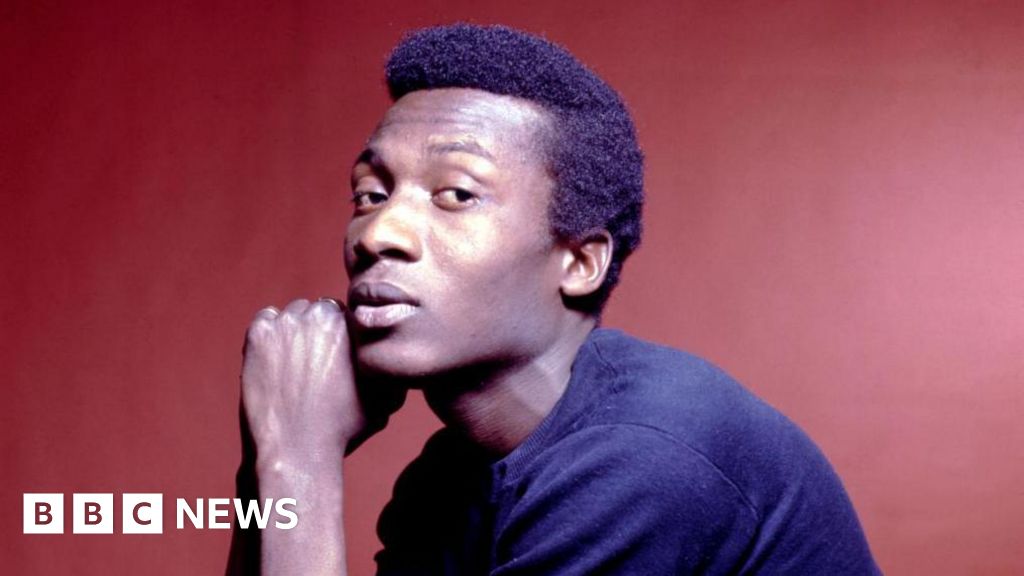
Jimmy Cliff: The Rebel Who Opened the World to Reggae
Jimmy Cliff, a name synonymous with reggae’s global explosion, has passed away at the age of 85. His vibrant music and compelling story transcended borders, leaving an indelible mark on popular culture and inspiring generations of artists. This is the story of a musical pioneer who didn’t just ride the wave of reggae – he was the wave.
From Humble Beginnings to International Icon
Born James Chambers in rural Jamaica, Cliff’s musical journey began early, honing his skills in local churches and talent shows. He quickly recognized the power of song, and in the late 1950s, he moved to Kingston to pursue his dream. Initially struggling to find his footing,he briefly relocated to the UK,experiences that would later fuel his songwriting.
However, it was his role in the groundbreaking 1972 film The Harder They come that catapulted him to international stardom. Playing Ivan Martin, a young man navigating the treacherous landscape of Jamaica’s music industry, Cliff delivered a performance that resonated deeply with audiences worldwide.
“The film opened the door for Jamaica,” Cliff once reflected. “It said, ‘This is where this music comes from.'”
A Soundtrack for a movement
Cliff didn’t just act in The Harder They Come; he defined its sound. He contributed four songs to the soundtrack, including the now-iconic “Many Rivers to Cross.” This deeply personal track,born from his own struggles with identity and ambition,became an anthem for resilience and hope.
Consider thes key elements of his early ambition:
* He arrived in the UK brimming with confidence, aiming to reach the heights of musical giants like The Beatles and The Rolling Stones.
* Early touring proved challenging, marked by frustration and a search for his artistic voice.
* “Many Rivers to Cross” emerged from this period of struggle, a testament to perseverance.
The film’s soundtrack wasn’t just a commercial success; it earned critical acclaim, even landing a spot on Rolling Stone magazine’s list of the 500 greatest albums of all time.
Collaboration and Continued Success
Throughout the 1980s and beyond, Cliff continued to push boundaries and collaborate with some of music’s biggest names. He shared the stage with The Rolling Stones on thier Dirty Work album, demonstrating his versatility and appeal.
Moreover, his 1993 cover of “I can See Clearly Now,” featured in the soundtrack for Cool Runnings, reintroduced him to a new generation. This upbeat track, celebrating the jamaican bobsled team’s underdog story, became a chart-topping hit.
His accolades continued to accumulate, including Grammy Awards for the albums Cliff Hanger (1985) and Rebirth (2012). In 2010, he was rightfully inducted into the Rock and Roll Hall of Fame.
Wyclef Jean, inducting him, eloquently stated, “When we saw Jimmy Cliff, we saw ourselves.” This sentiment speaks volumes about Cliff’s impact on artists across genres and continents.
A Legacy Beyond the Music
Jimmy Cliff remained a captivating performer well into his later years, gracing legendary stages like Glastonbury and Coachella. He was honored with Jamaica’s Order of Merit in 2003, recognizing his profound contributions to the nation’s cultural heritage.
Yet, for Cliff, the most meaningful recognition came from his fans. He cherished the stories of how his music had touched their lives, offering inspiration and hope.
He once shared, “When someone comes up to me and says…that song made me go back to school…that, for me, is a big success.”
Jimmy Cliff’s music wasn’t just about entertainment; it was about empowerment, resilience, and the unwavering belief in the power of dreams. His legacy will continue to inspire and uplift for generations to come. He wasn’t just a reggae star; he was a cultural icon, a beacon of hope, and a testament to the transformative power of music.
Worth a look