Nigeria Grapples wiht Escalating Kidnapping crisis: A Deep dive into the Growing Threat
Nigeria is facing a surge in kidnappings, notably in the northern regions, raising serious concerns about security and stability. Recent events, including multiple abductions of students and worshippers, have prompted a national crisis response and international attention. This article provides an in-depth look at the situation, exploring the factors driving the crisis, the governmentS response, and what you need to know.
A Recent Wave of Abductions
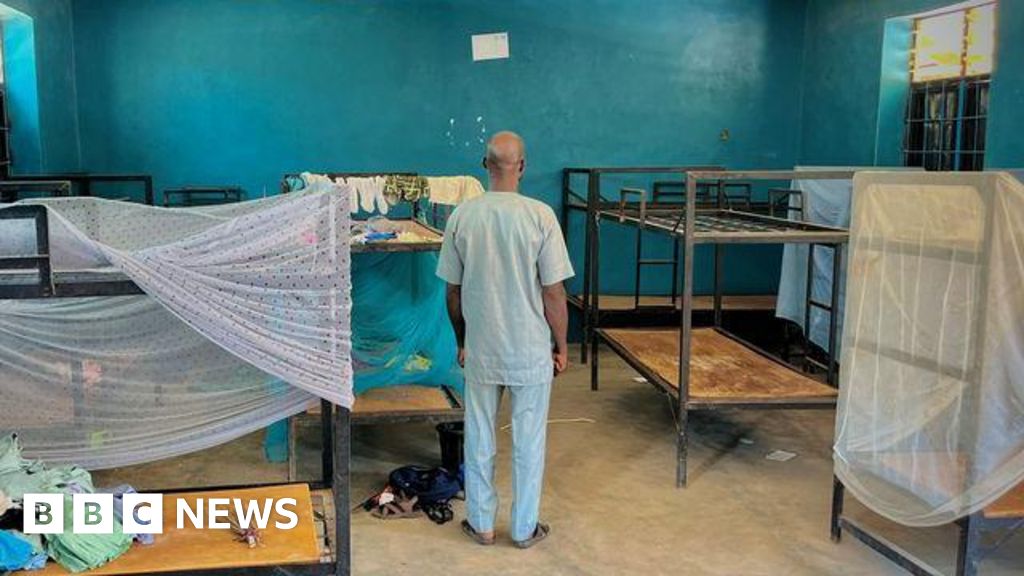
The scale of the recent kidnappings is alarming. Just last week, over 20 schoolgirls were abducted from a boarding school in Kebbi state, bordering Niger. Concurrently, a church in Kwara state was attacked, resulting in two deaths and the abduction of dozens of worshippers.
These incidents follow the harrowing experience of a BBC reporting team who traveled to Papiri, Niger state, a known kidnapping hotspot. They were repeatedly advised against certain routes and required police escorts for their safety. One team member recounted a frighteningly close call, excitedly calling out to a source only to watch him flee in fear of being identified to potential kidnappers.
The Rise of Kidnapping in Niger State & Beyond
Niger state, nigeria’s largest in landmass – exceeding the size of Denmark and the netherlands – has become a focal point for this criminal activity. several factors contribute to this:
* Vast Terrain: The sheer size of the state makes effective policing incredibly challenging.
* Dense Forests: Criminal gangs, often referred to locally as “bandits,” utilize the extensive forests as both hideouts and transit routes.
* Porous Borders: These forests facilitate connections to othre Nigerian states and neighboring countries.
It’s crucial to understand that while some kidnappings are linked to Islamist militant groups, many are purely financially motivated, driven by ransom demands.
Government Response and Challenges
President Bola Tinubu has demonstrated a commitment to addressing the crisis, even cancelling his trip to the G20 summit to focus on the situation. He announced the rescue of the 38 worshippers abducted in Kwara state, vowing to secure the nation and protect its citizens.
however, despite these efforts, significant challenges remain. The Nigerian government outlawed the payment of ransoms in an attempt to disrupt the financial incentives for kidnapping. Unfortunately, this measure has had limited success.
Impact on Communities and Education
The escalating insecurity is having a devastating impact on communities across Nigeria. Many boarding schools have been forced to close, and parents are actively withdrawing their children, fearing for their safety. This disruption to education has long-term consequences for the nation’s future.
You might be wondering what’s driving this surge in violence. Experts point to a complex interplay of factors, including poverty, unemployment, and a lack of effective governance.
International pressure and Concerns
The crisis has also attracted international attention.Former U.S. President Donald Trump recently warned that he would consider sending troops to Nigeria if the killings of Christians continued.
the Nigerian government has refuted claims of targeted persecution of Christians, asserting that terrorist groups attack individuals nonetheless of their faith. They emphasize that the violence stems from a rejection of their extremist ideology.
What Does This Mean for You?
If you are traveling to Nigeria,particularly the northern regions,it’s crucial to:
* Stay Informed: Monitor local news and security advisories.
* Exercise Caution: Avoid traveling alone, especially in remote areas.
* Be Discreet: Avoid drawing attention to yourself.
* Heed local Advice: Follow the guidance of local authorities and security personnel.
* Register with Your Embassy: Ensure your embassy knows your travel plans.
Looking Ahead: A Path to Stability
Addressing Nigeria’s kidnapping crisis requires a multifaceted approach. This includes:
* Strengthening Security Forces: investing in training, equipment, and intelligence gathering.
* Addressing Root Causes: Tackling poverty, unemployment, and inequality.
* Improving Governance: Promoting openness, accountability, and the rule of law.
* Community Engagement: Building trust and collaboration between security forces and local communities.
* Regional Cooperation: Working with neighboring countries to disrupt cross-border criminal networks.
The
Keep reading