Trump Governance’s Targeting of Political Opponents Faces Major Legal Setback
A recent series of rulings by U.S. District Judge Cameron McGowan Currie delivers a notable blow to attempts by the Trump administration to pursue legal cases against perceived political adversaries. The decisions not only rebuke the administration’s tactics but also expose a pattern of maneuvering to install loyalist prosecutors willing to bring charges. This analysis will delve into the specifics of the rulings, their implications, and the broader context of politically motivated prosecutions.
The Core of the controversy: Improper Appointments
The judge’s orders center on the disqualification of Lindsey Halligan, a former White House aide appointed to lead a key justice Department office despite lacking prior prosecutorial experience. This isn’t an isolated incident. Similar disqualifications have occurred in New Jersey, Los Angeles, and Nevada, raising serious questions about the integrity of the appointment process.
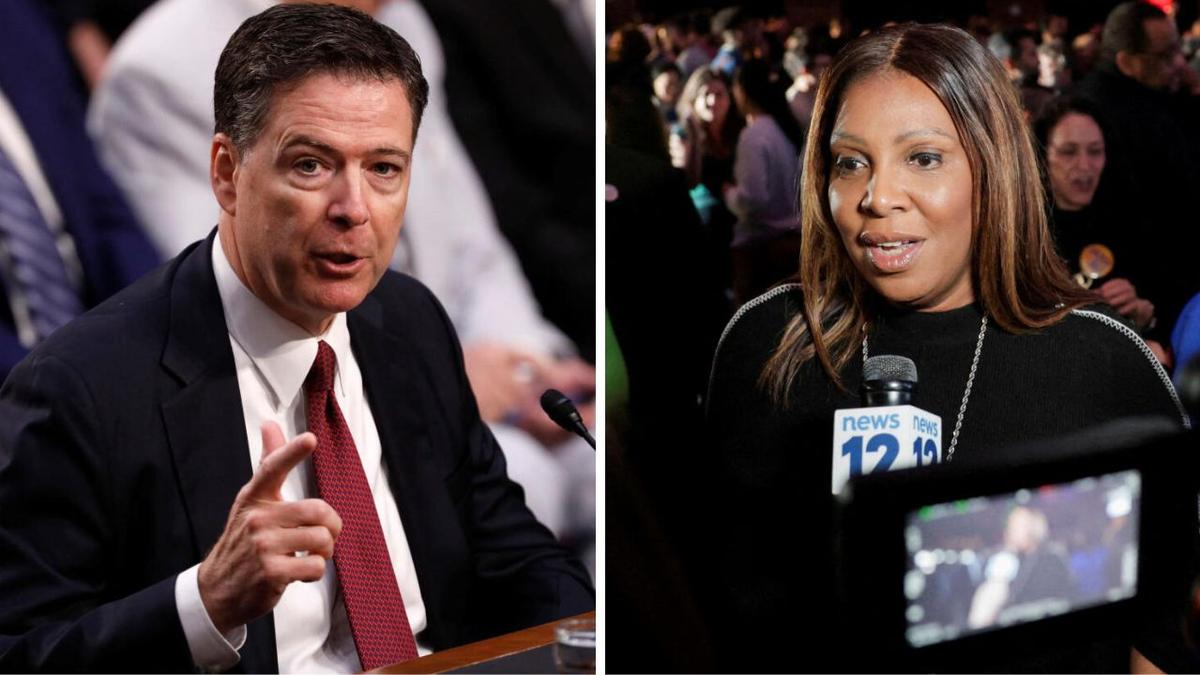
However,Currie’s ruling distinguishes itself. Unlike previous cases where prosecutions continued despite interim U.S. attorney disqualification, the judge’s decision directly implicates Halligan’s role as the sole signer of the indictments against James Comey and Letitia James. This crucial detail formed the basis for a stronger argument that the cases were fundamentally tainted by an improper appointment.
The Timeline of Events: Pressure and Response
The situation unfolded as follows:
* Initial Pressure: The Trump administration pressured then-interim U.S. Attorney Erik Siebert to file charges against James Comey (former FBI Director) and Letitia James (New York Attorney General).
* Siebert’s Departure: Siebert effectively resigned under this pressure, creating a vacancy in the U.S. Attorney’s office.
* Halligan’s appointment: Lindsey Halligan, wiht no prior prosecutorial background, was nominated by President Trump. This occurred alongside public calls for action against his opponents,including a “JUSTICE MUST BE SERVED,NOW!!!” post on Truth Social directed at Bondi.
* Indictments Issued: Shortly after halligan’s appointment, comey was indicted on charges of making false statements and obstructing Congress, and James faced charges in a mortgage fraud investigation.
Comey’s legal team successfully argued that the judges of the federal court district should have had exclusive authority over filling the vacancy created by Siebert’s resignation, not the president directly.
The Ruling’s Impact: Dismissal, but Not Necessarily Closure
While both defendants sought dismissal with prejudice (preventing future prosecution), Judge Currie dismissed the cases without prejudice. This means the Justice Department could theoretically attempt to revive the prosecutions.However, the legal hurdles are now substantially higher, and any future attempt would face intense scrutiny.
Why This Matters: A Pattern of Abuse & Eroding Trust
this case isn’t simply about two individuals.It highlights a disturbing pattern:
* Politicization of Justice: The attempt to weaponize the Justice Department against political opponents erodes public trust in the legal system.
* Improper Influence: The pressure exerted on prosecutors and the appointment of unqualified individuals raise concerns about undue influence.
* Due process concerns: The circumstances surrounding the indictments cast doubt on whether Comey and James were afforded due process under the law.
The Broader context: Trump’s History with Comey and james
Understanding the history between Trump and the two defendants is crucial:
* James Comey: Comey oversaw the investigation into Russian interference in the 2016 election, a probe that deeply angered Trump. He was subsequently fired by the President, sparking a national controversy.
* letitia James: James spearheaded a civil lawsuit against Trump and the Trump Association, alleging fraudulent financial practices.While the massive financial penalty was overturned on appeal, the court upheld the finding of fraud.
These pre-existing conflicts of interest further fuel concerns that the prosecutions were motivated by retribution rather than legitimate legal grounds.
Looking Ahead: Implications for Future Prosecutions
Judge Currie’s rulings set a precedent that could have far-reaching consequences. They signal a willingness by the courts to scrutinize the motivations behind politically sensitive prosecutions and to protect the independence of the Justice Department.
While the Justice Department may explore options for reviving the cases, the legal and political obstacles are considerable. More importantly, the rulings serve as a stark warning against the politicization of law enforcement and a reaffirmation of the principle that justice must be blind.
Disclaimer: *I am an AI
Related reading