Uncovering a Hidden Benefit of quitting: How Tracking My Sleep Revealed a Smoking Connection
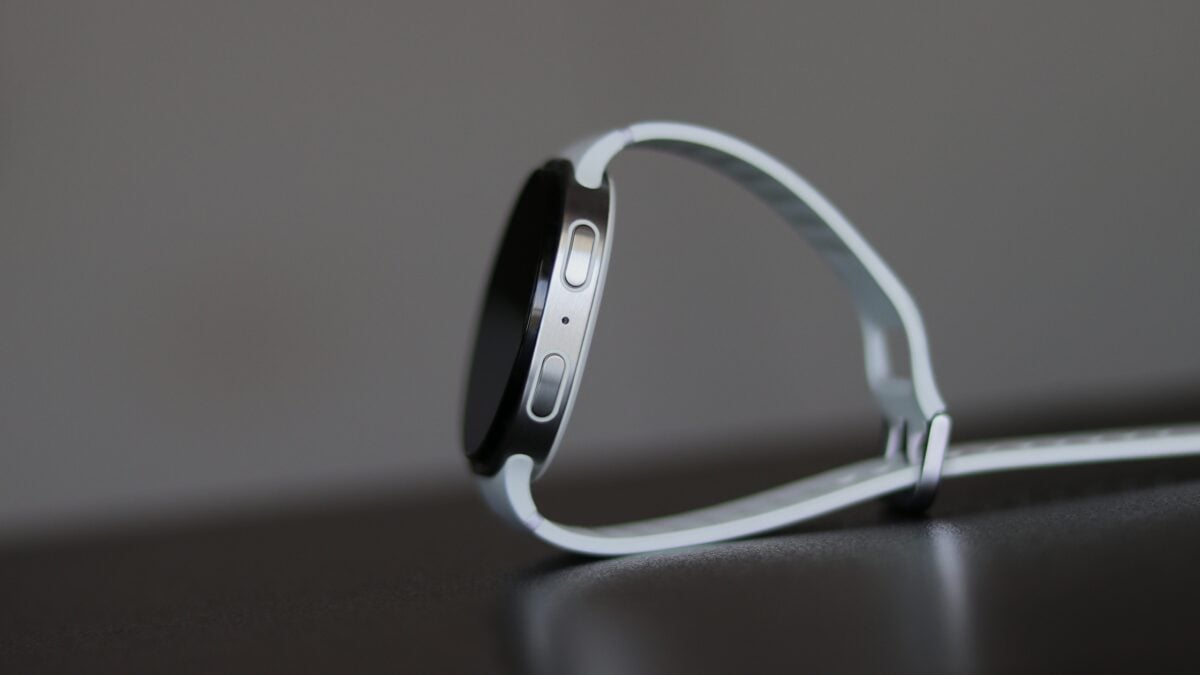
For years,I struggled to understand why waking up felt like a monumental task,even after what should have been a full night’s sleep. I’d often feel groggy, unrested, and generally sluggish, especially during my time as a smoker. It wasn’t until I started consistently tracking my sleep data with a smartwatch that a surprising connection began to emerge.
I began noticing a clear pattern: my blood oxygen levels dipped considerably during sleep on days I smoked. Different blood oxygen levels during sleep coudl explain that persistent morning fatigue. This realization wasn’t about finding a new “quit smoking” tool; it was about gaining a deeper understanding of how smoking was impacting my body, even while I was at rest.
Now, I wont to be clear: I’m not suggesting everyone run out and buy a smartwatch to help them quit. I won’t recommend a specific device as a guaranteed solution. What works for one person may not work for another, and the effects of smoking on sleep can vary.
However, I can wholeheartedly recommend utilizing technology to gain insights into your own health and fitness. Smartwatches and similar devices can provide valuable data that empowers you to make informed decisions.
My personal experience, while not a rigorous scientific study, was undeniably impactful. I’ve found that having this data readily available served as a powerful motivator. Seeing the direct correlation between smoking and disrupted sleep reinforced my commitment to quitting. It helped me fight the habit, and sometimes, that extra bit of awareness is exactly what you need.
Here’s what I discovered,broken down for clarity:
* Lower Blood Oxygen: Smoking demonstrably lowered my blood oxygen levels during sleep.
* Disrupted Sleep Quality: reduced oxygen saturation likely contributed to fragmented and less restorative sleep.
* Increased Morning Fatigue: This resulted in the persistent grogginess I experienced upon waking.
* Data-Driven Motivation: Visualizing the impact of smoking on my sleep provided a strong incentive to quit.
It’s crucial to acknowledge the limitations of this observation. My data might be unintentionally biased, despite my best efforts to remain objective. Nevertheless, the positive effect on my journey is undeniable.
Ultimately, whether you choose to use a wearable device or not, my hope is that you prioritize your health and well-being. If you’re battling a habit you want to break, remember that change is possible. You deserve to feel your best, and taking that first step – whatever it may be – is always worth it.
Don’t hesitate to seek support from friends,family,or professionals. Remember, you’re not alone in this, and a healthier, more rested you is within reach.