Lebanon on the Brink: A Nation Caught in the Crossfire
The recent escalation of conflict, sparked by the events of October 8th, 2023 – when exchanges of fire between Hezbollah and Israel commenced in purported solidarity with Gaza – has inextricably linked Lebanon’s fate to the turmoil in the Palestinian territories. However, to understand the current crisis, you need to recognize it isn’t a new development.The roots of this conflict predate Hezbollah’s emergence in 1982, representing instead a reaction to decades of regional instability and unresolved tensions.
A pervasive sense of fear grips many Lebanese citizens. Many live with the constant anxiety of potential Israeli bombardment.this reality is notably acute for those residing in communities near the border or within Hezbollah strongholds.
Yet,the impact of the conflict isn’t felt equally across Lebanon. Communities with significant Christian, Sunni Muslim, or Druze populations frequently enough experience fewer direct hostilities. This disparity fuels a growing divide within the country. Some Lebanese, shielded from the worst of the fighting, question the severity of the Israeli threat and even explore the possibility of normalization with Israel.
However, for many within the Shia community, this prospect is deeply unsettling. They view any concession as a dangerous precedent. “If you give them an inch, they’ll take a mile,” warns Hussein rayshouni, a 30-year-old engineer working to rebuild a Beirut neighborhood damaged in a previous Israeli strike.
A Nation Divided: Disparities and Desperation
The uneven distribution of conflict’s impact is creating fractures within Lebanese society. Consider these key points:
* Unequal exposure: Communities aligned with Hezbollah bear the brunt of Israeli strikes, while others remain relatively untouched.
* Differing Perspectives: This disparity leads to divergent views on the threat posed by Israel and the potential for normalization.
* growing Resentment: Many Shia Lebanese feel marginalized and vulnerable, fearing further encroachment on their security and sovereignty.
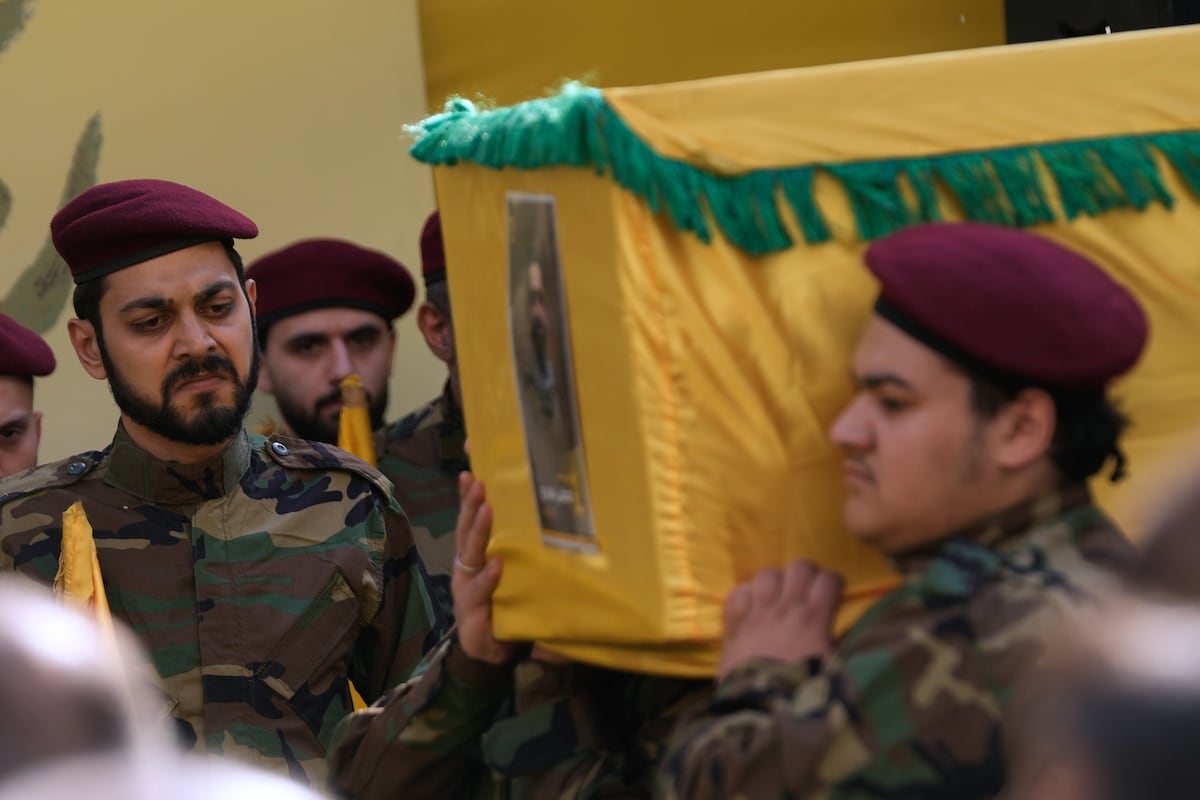
Rayshouni’s experience underscores this sense of desperation. He’s currently overseeing reconstruction in Ghobeiri, a Beirut suburb scarred by last year’s bombing. The streets surrounding the rebuilding site are filled with mourners attending a funeral for a Hezbollah fighter. These funerals, in a moment of perceived organizational vulnerability, serve as a crucial opportunity for Hezbollah to project strength and maintain its claim to national leadership.
recent gatherings, including one led by a prominent Hezbollah official, haven’t quelled the doubts surrounding the association’s future. Notably, Hezbollah’s Secretary-General, Naim Qassem, remains in hiding, a practice begun after assuming leadership following the death of his predecessor.
The Weight of Impotence
Frustration and anger are boiling over. Israel’s “daily bombardment” of Lebanon, as Rayshouni describes it, is compounded by a perceived inability of the Lebanese government to effectively respond. You can imagine the feeling of helplessness.
“We are losing our loved ones, our homes, and our sense of security in our own country,” he laments.This sentiment of powerlessness, observed by analysts, is a potential precursor to further escalation. The feeling of being “marginalized” is a recurring theme, highlighting the deep-seated grievances fueling the unrest.
Ultimately, Lebanon finds itself caught in a precarious position. The conflict’s complexities, coupled with internal divisions and a weakened government, create a volatile environment. Understanding the past context, the uneven impact of the fighting, and the growing sense of desperation is crucial to grasping the challenges facing this nation on the brink.
Keep reading