A Concerning Trend: Rising Fatalities on the World’s Most Challenging Peaks
Recent months have witnessed a deeply troubling surge in climber deaths on some of the world’s most iconic and demanding mountains. From the towering heights of the Himalayas too the granite faces of Yosemite, a series of tragedies has underscored the inherent risks of high-altitude mountaineering. Let’s examine these events and what they reveal about the challenges faced by those who pursue these extreme adventures.
Recent Tragedies: A Global Overview
Several incidents across the globe paint a stark picture of the dangers involved. Here’s a look at some of the recent losses:
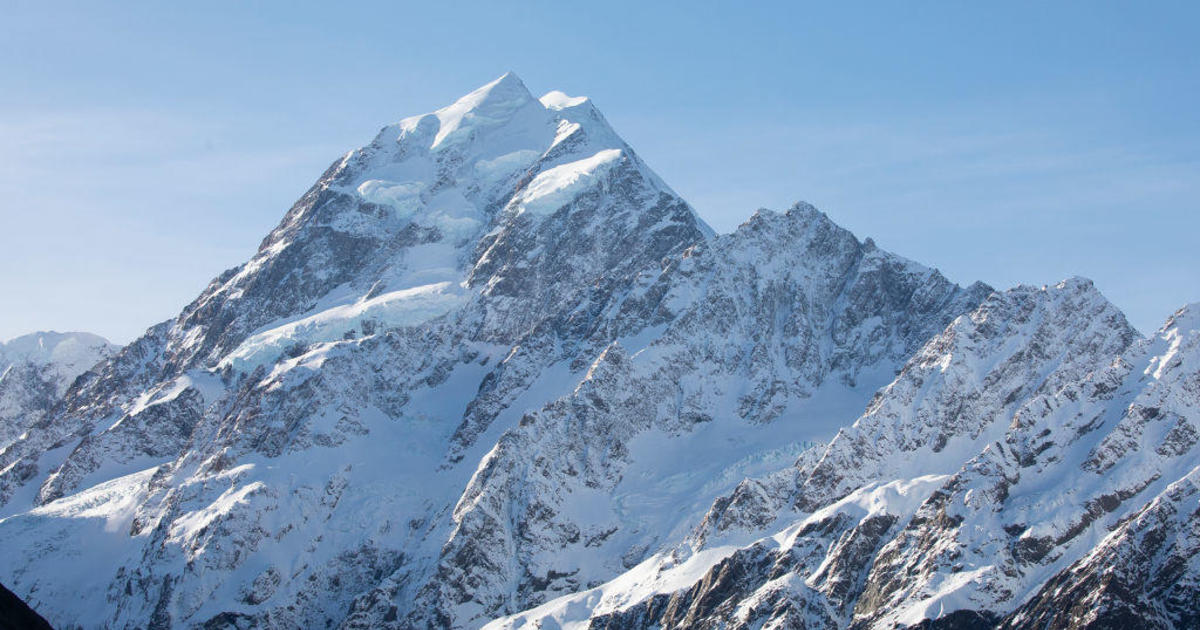
* Aoraki/Mount Cook, New Zealand (December 2024): Three experienced climbers – two Americans and one Canadian – are presumed to have perished after a fall. Kurt Blair, 56, and Carlos Romero, 50, were both certified alpine guides, highlighting that even seasoned professionals aren’t immune to the mountain’s perils.
* Mount Yalung Ri, Nepal (Early April): an avalanche tragically claimed the lives of five foreign climbers and two local guides at an altitude of 16,070 feet. Avalanches remain a constant and unpredictable threat in the Himalayas.
* El Capitan, Yosemite National Park (Last Month): Balin Miller, a well-known Alaskan climber, tragically fell to his death while ascending the iconic El Capitan. This incident serves as a reminder of the risks inherent in big-wall climbing.
* Kyrgyzstan’s Highest Peak (August): Russian climber Natalia Nagovitsyna died after suffering a broken leg and becoming stranded on the peak. This emphasizes the importance of preparedness and the potential for rapid deterioration in remote environments.
* K2, Pakistan (August): A Chinese climber was fatally struck by falling rocks on K2, the world’s second-highest peak. Rockfall is a notable hazard on many high-altitude routes.
* Pakistan (July): Laura Dahlmeier, a German mountaineer and Olympic gold medalist, lost her life while attempting another peak in the region. This demonstrates that even elite athletes can succumb to the mountains’ challenges.
Understanding the Risks
These incidents aren’t isolated events. Several factors contribute to the increasing risks climbers face:
* Changing Weather Patterns: climate change is contributing to more unpredictable and extreme weather conditions in mountainous regions. This includes increased avalanche activity, more frequent rockfall, and rapidly changing temperatures.
* Increased Popularity: Mountaineering is becoming increasingly popular,leading to more climbers on already challenging routes. This can create congestion and increase the risk of accidents.
* Push for Speed: some climbers are prioritizing speed over safety, taking unnecessary risks to achieve summits.
* altitude and its Effects: High altitude presents a multitude of physiological challenges, including altitude sickness, cerebral edema, and pulmonary edema. These conditions can impair judgment and coordination, increasing the risk of accidents.
What You Can Do to Stay Safe
If you’re considering a mountaineering expedition, remember that thorough planning and a cautious approach are paramount.Here are some essential steps you can take:
* Gain Extensive Experience: Build your skills gradually, starting with less challenging climbs before attempting more ambitious objectives.
* Prioritize Physical Fitness: mountaineering demands exceptional physical endurance and strength.
* Master technical Skills: Become proficient in essential mountaineering techniques, including rope work, ice axe arrest, and crevasse rescue.
* Check Weather Forecasts: Monitor weather conditions closely and be prepared to turn back if conditions deteriorate.
* Travel with Experienced Guides: Consider hiring experienced guides who are familiar with the route and local conditions.
* Carry Appropriate Gear: Ensure you have the right equipment for the conditions, including warm clothing, sturdy boots, and a reliable communication device.
* listen to your Body: Pay attention to any signs of altitude sickness and descend immediately if you experience symptoms.
Keep reading