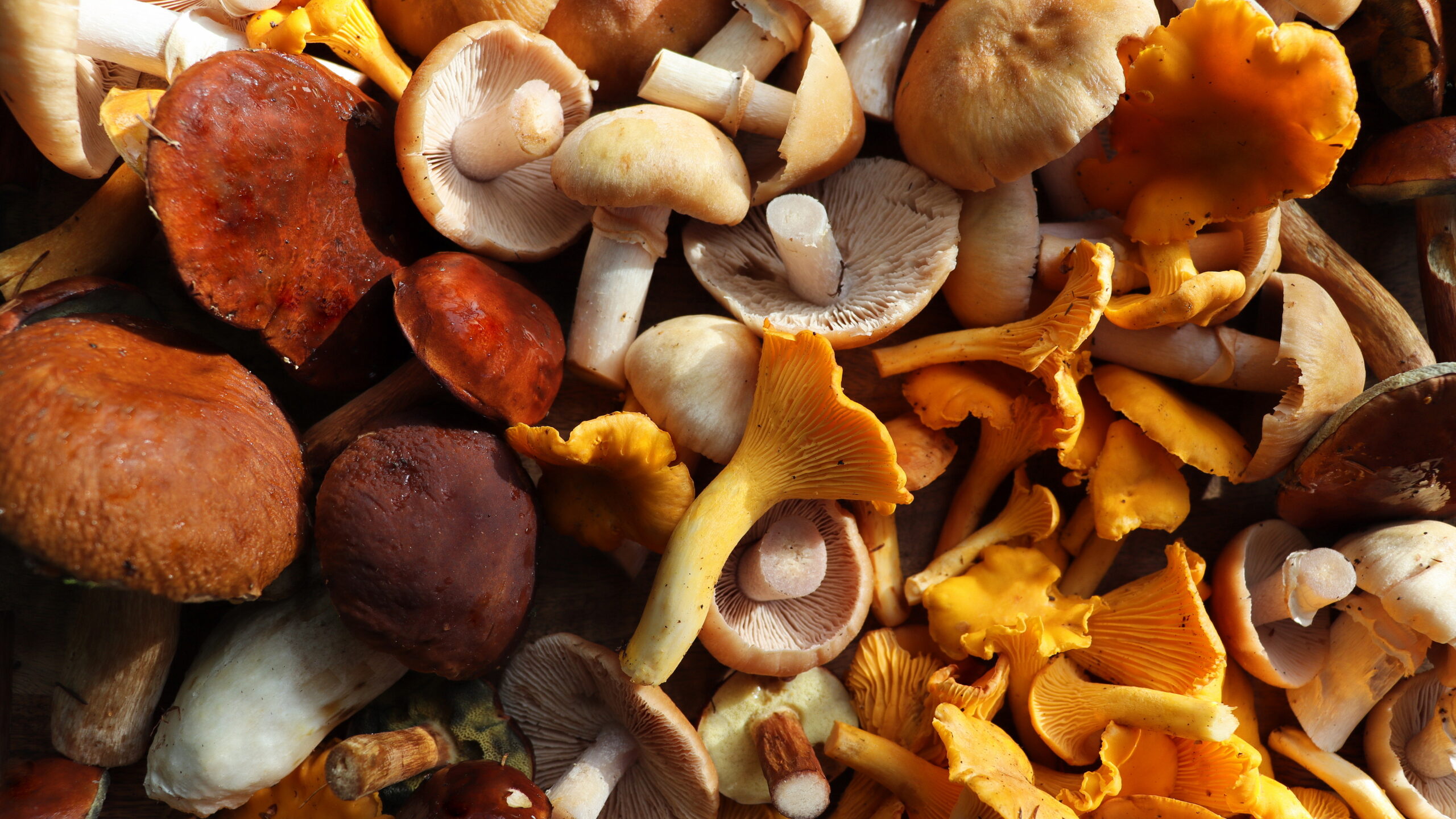
The Growing World of Foraged Mushrooms: A Deep Dive into Regional Harvesting Practices
Like many,my journey into the interesting world of mushroom foraging began with the unexpected pause of the COVID-19 pandemic. Originally slated for fieldwork studying desert plants in Australia, I found myself grounded in central Pennsylvania just as morel season was beginning. This shift sparked a research path I hadn’t anticipated, ultimately leading to a multi-year study of mushroom harvesting in our region.
From Pandemic Pause to Research Project
My time was filled with remote coursework at Penn State while pursuing my doctoral degree in ecology and anthropology. A pivotal class, agroforestry taught by Eric Burkhart, explored the beneficial relationships between agriculture, forests, and peopel. This, combined with the newfound time for exploration, naturally led to questions about the local practice of foraging.
Soon, Dr. Burkhart and I embarked on a project to formally understand the scope and specifics of wild mushroom harvesting in the mid-Atlantic US – a practice with deep historical roots, yet surprisingly understudied.
Why are More People Foraging?
For generations, people have harvested wild mushrooms across Pennsylvania and neighboring states. However, the recent surge in interest is undeniable. we wanted to know what people were collecting, how they were using it, and why this practice was gaining traction.
Our research, conducted through surveys in 2022 and 2023, revealed a vibrant and diverse foraging community. We discovered that foragers aren’t just seeking a tasty meal; they’re connecting with nature, building community, and tapping into a wealth of traditional knowledge.
Key Findings from Our Research
Here’s a snapshot of what we learned:
* Diversity of Species: Harvesters in the mid-atlantic region forage an extraordinary 160 different species of wild mushrooms.
* Popular Choices: While variety is key, morels, chicken of the woods, and chanterelles consistently rank as the most sought-after mushrooms.
* Primary Uses: The vast majority of foraged mushrooms are used for culinary purposes, with a meaningful portion also utilized for their medicinal properties.
* Community & Knowledge Sharing: Foraging isn’t a solitary pursuit. Harvesters actively share details, identification tips, and even DNA sequencing results through social media groups and local clubs.
* Sustainability Concerns: Many foragers are mindful of sustainable harvesting practices, recognizing the importance of preserving these resources for future generations.
Our findings were recently published in the journal Economic Botany in October 2025, offering a thorough look at this growing practice.
Building Connections & Gathering Data
To ensure a representative sample, we cast a wide net. We connected with:
* Local mushroom clubs like the Western Pennsylvania Mushroom Club (https://wpamushroomclub.org/)
* Mycological associations such as the Philadelphia Mycology Club (https://phillymycoclub.com/)
* Attendees at regional mushroom festivals
* Individuals through social media and word-of-mouth
Over 800 harvesters generously shared their experiences, detailing their favorite species, harvesting techniques, and the resources they rely on.
The Most Popular Foraged Mushrooms
Here’s a breakdown of the most frequently reported species:
* Morels: 13% of respondents
* Chicken of the Woods: 13% of respondents
* Chanterelles: 10% of respondents
* Hen of the Woods
* Oyster Mushrooms
* Lion’s Mane
* Black Trumpet
* Honey Mushrooms
* Turkey Tail
* Boletes
* Reishi
* Puffballs
* Chaga
* Shrimp of the Woods
* Dryad’s Saddle (Pheasant’s Back Mushroom)
What Does This Mean for the Future of Foraging?
The increasing popularity of mushroom foraging presents both opportunities and challenges.As more people venture into the woods, its crucial to prioritize education, sustainable harvesting practices, and respect for the environment.
If you’re considering foraging, remember to:
* Positively identify every mushroom before consumption. When in doubt, throw it out.
* Learn from experienced foragers and join local clubs.
*
Worth a look