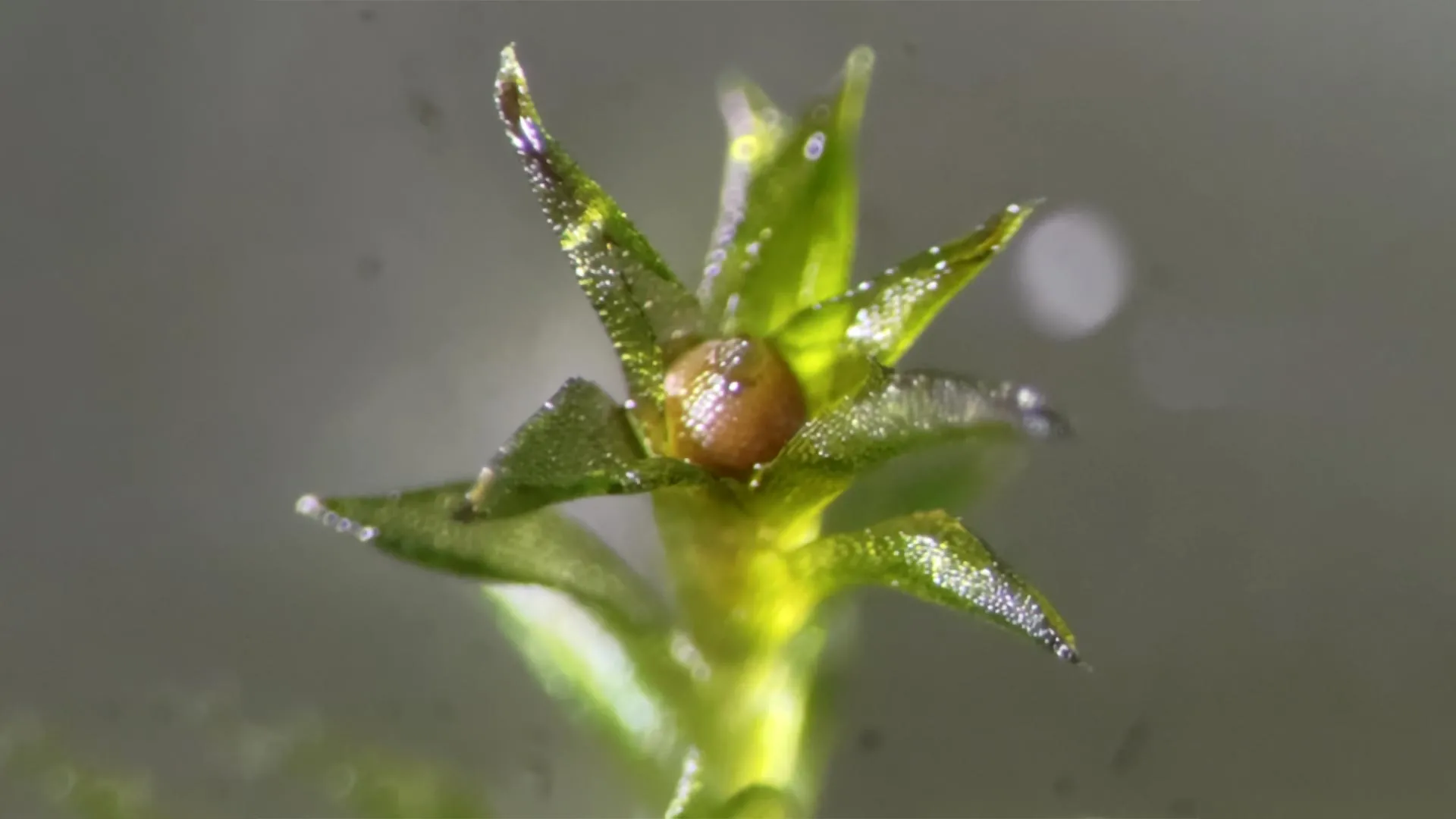
Space Moss: Pioneering Life Beyond Earth & The Astonishing Resilience of Bryophytes
(Expertly researched and written by a team specializing in astrobiology and plant resilience)
For centuries, humanity has gazed at the stars and wondered if life exists beyond Earth. But increasingly, the question isn’t just if life can exist elsewhere, but how we can facilitate it. Recent groundbreaking research suggests a surprisingly simple answer: moss. specifically, the humble sporophyte of physcomitrium patens, or spreading earthmoss, demonstrates an remarkable capacity too survive – and even thrive – in the harsh conditions of space, opening exciting possibilities for future off-world agriculture and ecosystem development.
The Intrinsic Resilience of Life: A Cellular Foundation
The very fact that life has evolved and flourished on Earth suggests an inherent robustness at the cellular level. Organisms have developed intricate mechanisms to withstand environmental stressors, and some, like mosses, have honed these abilities to an exceptional degree. This inherent resilience isn’t merely a matter of adaptation; it’s a fundamental characteristic of life itself, hinting at the potential for survival in environments previously considered uninhabitable.
From Earth’s Extremes to the Vacuum of Space: The Case for moss
Dr.Kenji Fujita, a leading researcher in plant evolution at Hokkaido University, began investigating the potential of “space moss” after observing its remarkable ability to colonize some of the most challenging environments on our planet.”Mosses are masters of survival,” explains Dr. Fujita. “They can withstand desiccation, extreme temperatures, and high levels of radiation. I wondered if this inherent robustness extended to the unique stresses of space.”
This line of inquiry isn’t simply academic. Establishing enduring life support systems is paramount for long-duration space missions and eventual colonization efforts. Plants are crucial for oxygen production, carbon dioxide removal, food production, and psychological well-being. However, traditional agricultural approaches are unlikely to be viable in the resource-constrained and hostile environments of the Moon or Mars. Moss, with its minimal requirements and demonstrated resilience, presents a compelling alternative.
Rigorous Testing: Simulating the Space Habitat
To rigorously test this hypothesis, Dr. Fujita’s team subjected Physcomitrium patens to a simulated space environment. This wasn’t a simple exposure to one stressor, but a comprehensive replication of the combined challenges of space: intense ultraviolet (UV) radiation, extreme temperature fluctuations (ranging from -196°C to 55°C), and near-vacuum conditions.
The team focused on three distinct moss structures:
* Protenemata: Juvenile moss, representing the initial growth stage.
* Brood Cells: Stress-induced stem cells, a form of vegetative propagation.
* Sporophytes: Encapsulated spores, the reproductive structures of the moss.
Their research revealed a clear winner: sporophytes. While juvenile moss quickly succumbed to the combined stresses, and brood cells showed limited resilience, the encased spores exhibited an astonishing level of protection. They demonstrated approximately 1,000 times greater UV tolerance than the other structures and remained viable even after prolonged exposure to extreme temperatures.
The Protective Power of the Spore’s Shell
The key to this remarkable survival lies in the spore’s protective outer layer. Researchers believe this structure effectively absorbs harmful UV radiation and provides both physical and chemical shielding against other environmental hazards. This adaptation likely played a critical role in the evolution of bryophytes (the plant group including mosses) as they transitioned from aquatic to terrestrial environments roughly 500 million years ago, allowing them to survive periods of intense radiation and repeated mass extinction events.
A Real-World Test: Launching Moss to the International Space Station (ISS)
Simulated environments are valuable, but true validation requires testing in the actual conditions of space.In March 2022, Dr. Fujita’s team sent hundreds of Physcomitrium patens sporophytes to the ISS aboard the Cygnus NG-17 spacecraft. Mounted on the exterior of the station, the samples were exposed to the full spectrum of space radiation, temperature fluctuations, and vacuum conditions for an impressive 283 days. The samples were then returned to Earth on SpaceX CRS-16 in January 2023 for detailed analysis.
Astonishing Results: Over 80% Survival Rate
The results were nothing short of astonishing. Contrary to expectations of near-total mortality, over 80% of the spores survived the entire mission. Furthermore, an impressive 90% of the surviving spores successfully germinated in the laboratory upon their return.While a slight reduction in chlorophyll a levels (a light-
Keep reading