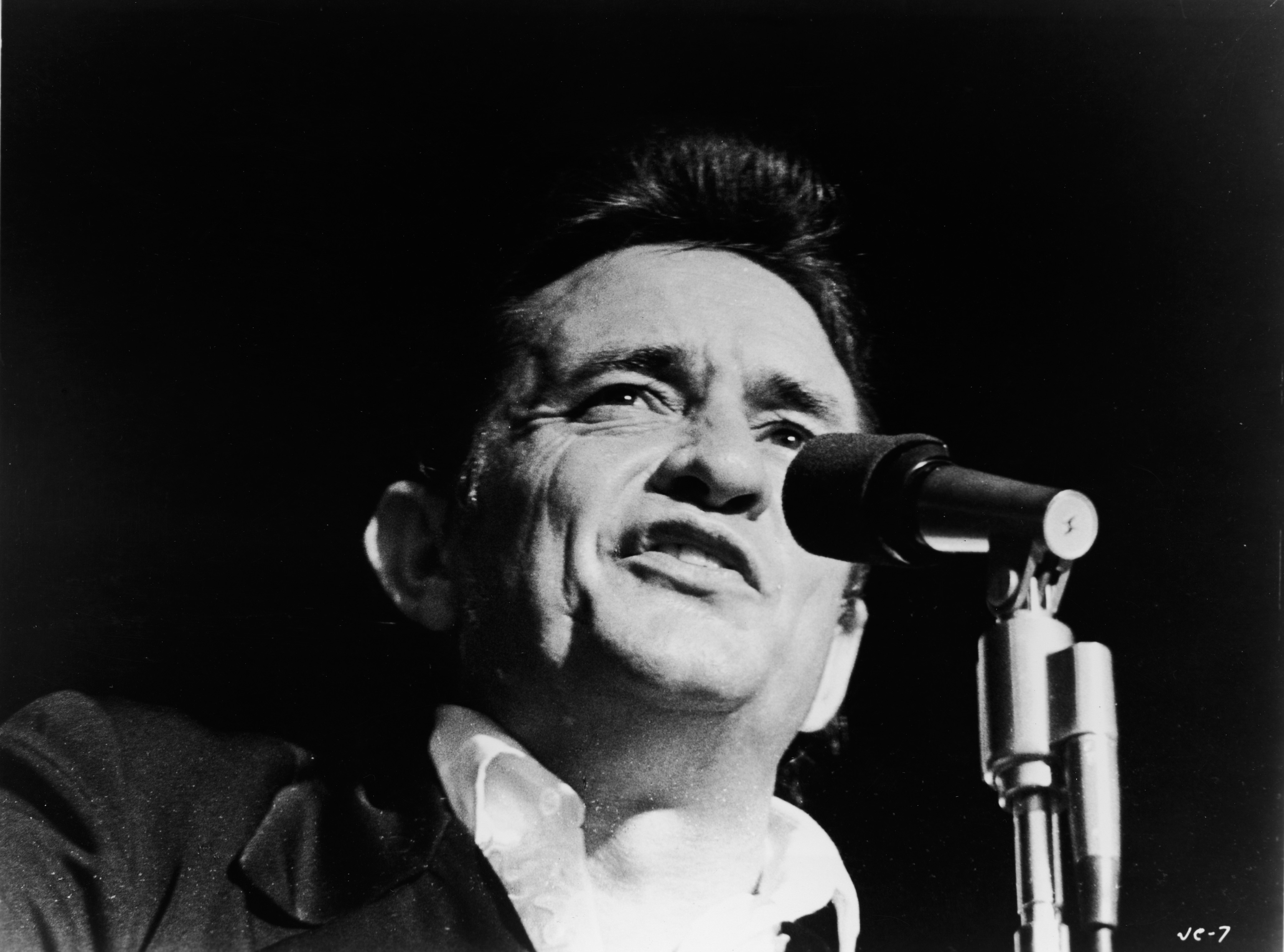
## The Johnny Cash vs. Coca-Cola Lawsuit: A Deep Dive into Voice Rights & the ELVIS Act
The iconic voice of Johnny Cash is at the center of a high-profile legal battle. His estate is currently suing Coca-Cola, alleging the unauthorized use of a soundalike in a recent advertising campaign. This isn’t just about a commercial; it’s a landmark case that raises critical questions about voice rights, intellectual property in the age of AI, and the protections afforded to artists.The lawsuit,filed in Nashville on November 25th,accuses Coca-Cola of “pirating” Cash’s voice to boost profits without permission or compensation. But what does this mean for the future of artist protection,and how does the newly enacted ELVIS act factor into the equation?
### Understanding the Core of the Dispute: Voice as Intellectual property
For decades,artists have relied on their unique personas – including their voices – as key components of their brand and earning potential. The Cash estate argues that Coca-Cola’s use of a tribute artist deliberately mimicking Cash’s distinctive vocal style constitutes a violation of those rights. This isn’t simply about sounding *like* Johnny Cash; it’s about exploiting the commercial value intrinsically linked to his identity. The estate’s lawyer, Tim Warnock of Loeb & loeb, powerfully stated, “Stealing the voice of an artist is theft. it is indeed theft of his integrity, identity and humanity.”
This case highlights a growing concern: as technology advances, replicating a voice becomes increasingly easy. This raises the stakes for artists and necessitates stronger legal frameworks to protect their intellectual property. The concept of right of publicity, which allows individuals to control the commercial use of their likeness, is central to this dispute. But how far does that control extend when a soundalike is used, rather than a direct sample of the artist’s voice?
### The precedent: *Midler v. Ford Motor Co.* and the Evolution of Voice Rights
The Cash estate isn’t entering uncharted territory. They are drawing heavily on the 1988 case of Midler v. Ford Motor Co. In this landmark ruling, singer Bette Midler successfully sued Ford after the automaker used a singer to imitate her distinctive vocal style in a commercial without her consent. The court ruled that ford had deliberately imitated Midler’s voice to evoke her persona and unfairly benefit from her established reputation. watch the Ford commercial here to understand the similarities to the current Coca-Cola situation.
However,the legal landscape has shifted considerably since 1988. The rise of complex AI voice cloning technology presents new challenges. While the Midler case established the principle of protecting vocal likeness, the ELVIS Act aims to address the specific threats posed by deepfakes and AI-generated content.
### The ELVIS Act: A new Era of Artist Protection?
The Ensuring Likeness voice and Image security (ELVIS) Act, signed into law in Tennessee earlier this year, is a game-changer. This legislation grants artists greater control over the use of their voice, image, and likeness, even when altered or replicated through technology. Specifically, the ELVIS Act allows artists to sue for damages if their voice is used without authorization, irrespective of whether a direct recording is used or a soundalike is employed.
Did You Know? tennessee was the first state to enact legislation specifically addressing the use of an artist’s voice and likeness in the context of AI-generated content. Several other states are now considering similar laws.
The timing of the ELVIS Act is crucial. The Cash estate is explicitly citing the law in its lawsuit against Coca-Cola, signaling a clear intent to leverage this new legal framework. The Act’s focus on protecting against unauthorized replication, even through imitation, strengthens the estate’s argument.
### Coca-Cola’s Response and Potential Outcomes
As of this writing, Coca-Cola has not issued a formal response to the lawsuit. However, legal experts anticipate the company