Strengthening Ties: Russia and North Korea Expand Educational and Military Cooperation
Recent developments signal a deepening relationship between Russia and North Korea, extending beyond political and military alignment into the realms of education and cultural exchange. This collaboration comes amidst a backdrop of geopolitical shifts following the conflict in Ukraine.
Expanding educational Programs
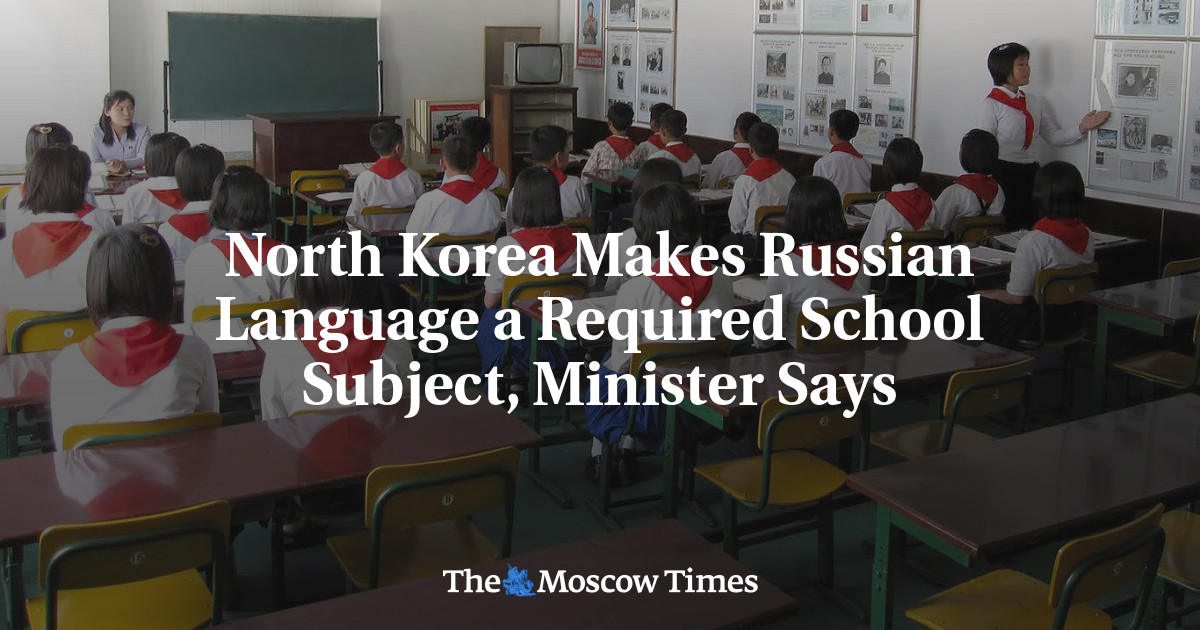
Currently, Russian language and culture instructors are concluding a two-month program in Pyongyang. They’ve been teaching approximately 250 North Korean students for the past month. This initiative highlights a growing interest in Russian language acquisition within North Korea.
Simultaneously, Russian education is seeing increased uptake at home. More than 3,000 Russian schoolchildren are now studying Korean as a second or third language. Moreover, around 300 Russian university students are actively pursuing Korean studies.
Military Cooperation and Mutual Defense
This educational exchange is occurring alongside increased military cooperation.Last year, Russian President Vladimir Putin and North Korean leader Kim Jong Un formalized a mutual defense pact. This agreement underscores a commitment to mutual support in the face of perceived threats.
Reports indicate that North Korea has provided significant support to Russia’s military efforts. Thousands of North korean soldiers have reportedly been deployed to assist the Russian army in regions bordering Ukraine, specifically in the Kursk region after Ukrainian forces made territorial gains.
A Shift in Alliances
These developments represent a notable shift in regional alliances. Russia and North Korea have demonstrably sought to strengthen their ties since the escalation of the conflict in Ukraine. This collaboration appears to be driven by shared strategic interests and a desire to counter perceived Western influence.
What This Means for You
Understanding these evolving dynamics is crucial for anyone following international relations,geopolitical strategy,or the future of security in Northeast Asia. The increased cooperation between Russia and North Korea has implications for regional stability and the broader global landscape.
* Increased Regional Tension: The strengthening alliance could escalate tensions in the region.
* Shifting Power Dynamics: The partnership challenges existing power structures and alliances.
* Potential for further Cooperation: Expect to see continued collaboration in areas like arms trading and economic progress.
This growing partnership warrants continued observation as it unfolds and shapes the future of international relations.
Keep reading