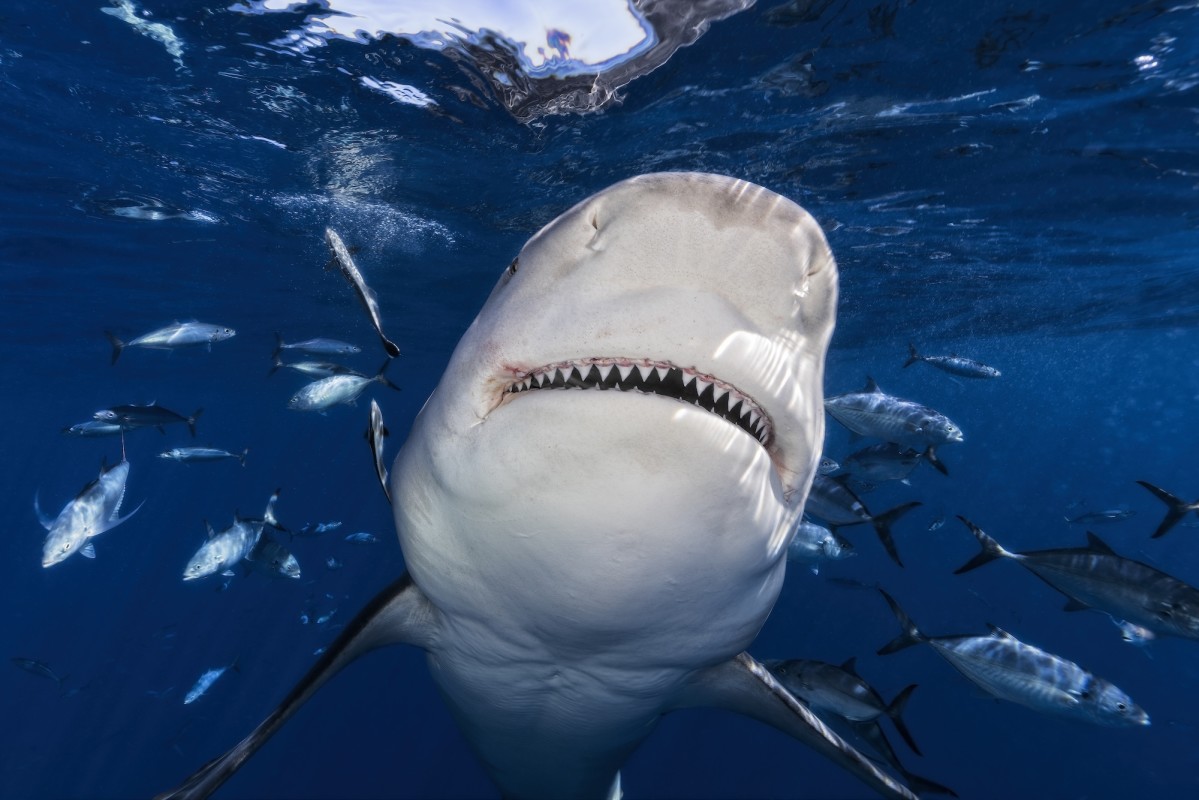
Fatal Shark Attack in Australia: Understanding the risks and Staying Safe
The idyllic shores of Australia, while renowned for their beauty, can also harbor hidden dangers. A tragic incident on Thursday at Kylies beach,near Port Macquarie in New South Wales,underscores this reality.A shark attack claimed the life of a woman in her mid-20s and left a man with critical injuries, prompting a renewed focus on shark safety and mitigation strategies. This article delves into the details of the attack,explores the increasing frequency of shark encounters,and provides actionable advice to help you stay safe in the water.
The Incident at kylies Beach
Two tourists were enjoying a swim near the popular surf spot when the attack occurred. Authorities suspect a bull shark was responsible.Swift-thinking bystanders promptly provided first aid, applying a makeshift tourniquet to the injured man.
NSW Ambulance member Joshua Smyth highlighted the crucial role of these responders, stating, “It’s really vital to note that there were really good bystanders administering aid to the male patient.” The man was airlifted to the hospital in critical condition, while sadly, the woman was pronounced dead at the scene.
This tragedy follows another fatal shark attack in New South Wales just over two months prior. Surfer Mercury Psillakas was killed by a suspected great white shark near dee Why in Sydney’s Northern beaches, sending shockwaves through the surfing community. The emotional toll on Psillakas’ family is immeasurable, as his wife, Maria, poignantly shared, “Losing Merc has left a place in my heart that I can’t really put into words… He was my rock, my everything.”
Are Shark Attacks Increasing? Recent Data & Trends
While shark attacks are still relatively rare, data suggests a concerning upward trend. According to the Australian Shark Incident Database,there were 22 unprovoked shark incidents in Australia in 2023,with a fatality rate of 13.6%.This is higher than the 10-year average. Several factors contribute to this increase:
* Rising Ocean Temperatures: Climate change is warming ocean waters, expanding the range of some shark species and possibly increasing their aggression.
* Increased Human Activity: More people are entering the water for recreation, leading to greater potential for encounters.
* Recovery of Shark Populations: Conservation efforts have led to the recovery of some shark populations, increasing their presence in coastal areas.
* Improved Reporting: Better reporting mechanisms may contribute to a perceived increase in incidents.
Recent research published in Frontiers in Marine Science (November 2023) indicates a correlation between La Niña weather patterns and increased shark activity along the eastern australian coast, due to changes in water currents and prey distribution. https://www.frontiersin.org/journals/marine-science
Understanding Shark Behavior & Risk Factors
Different shark species exhibit varying levels of risk to humans. Bull sharks, known for their aggressive tendencies and presence in shallow, coastal waters, are frequently implicated in attacks. Great white sharks, while less common in attacks are responsible for a significant proportion of fatal incidents.
Here’s a breakdown of key risk factors:
* Time of day: Dawn and dusk are peak feeding times for sharks, increasing the risk of encounters.
* Location: Areas near river mouths, seal colonies, and popular surf breaks can attract sharks.
* Water Conditions: Murky water reduces visibility, making it harder for sharks to identify potential prey.
* Prey Activity: The presence of baitfish or seals can attract sharks to an area.
* Wearing Shiny Jewelry: Reflections can mimic the appearance of fish scales, potentially attracting sharks.
Practical Tips for Staying Safe in Shark Territory
Your safety is paramount. Here’s a step-by-step guide to minimizing your risk:
- Swim at Patrolled beaches: Always choose beaches with lifeguard supervision.
- Heed Warnings: Pay attention to any shark warnings or beach closures.
- Swim in groups: Sharks are less likely to approach a group of people.
- Avoid Dawn & Dusk: Refrain from swimming during peak feeding times.
- Avoid Murky water: Choose clear water were you can see your surroundings.
- Don’t Wear Shiny Jewelry: Remove anything that might attract a shark’s attention.
- **Avoid Areas with Baitfish or Seals
Keep reading