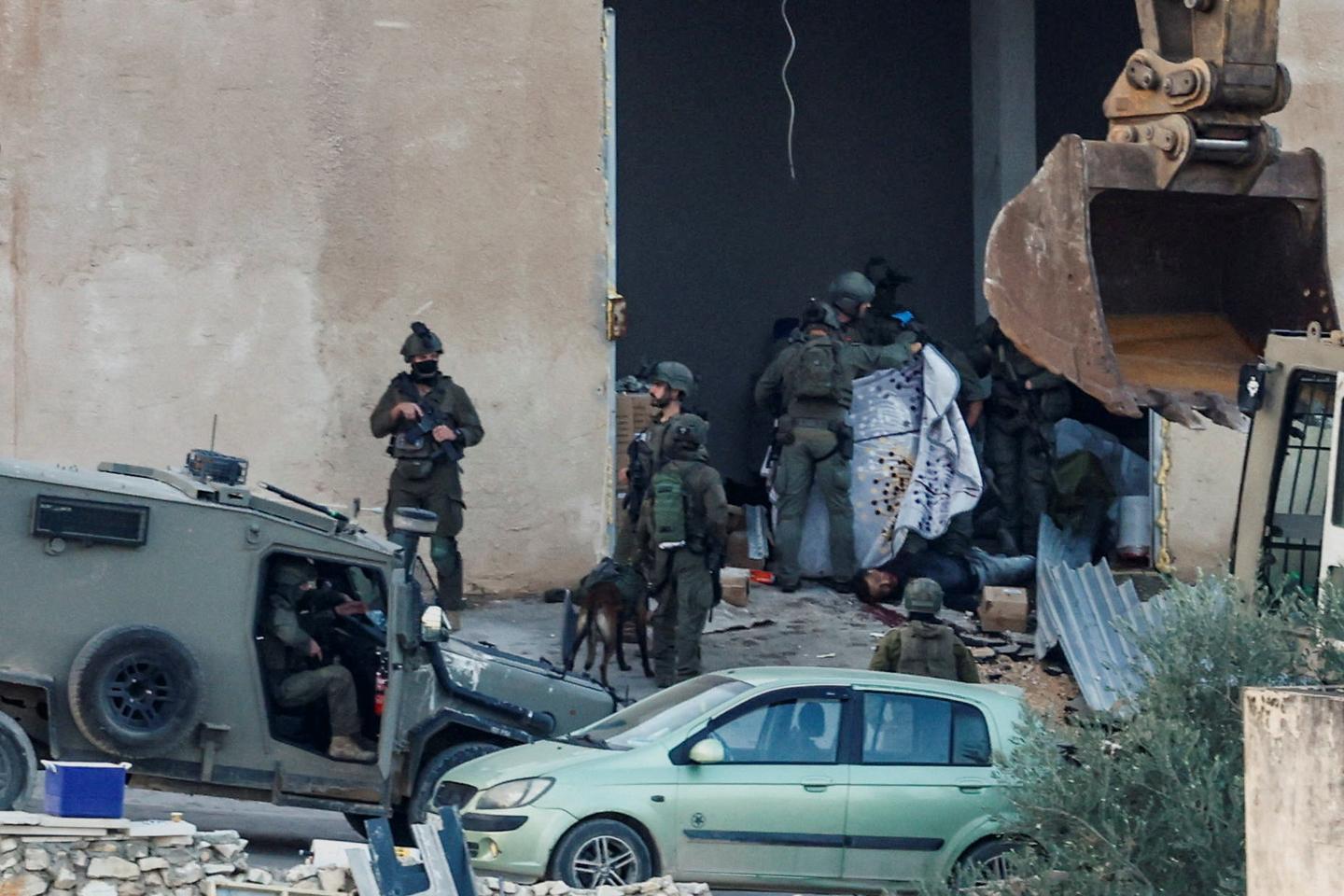
Escalating Violence in the West Bank: A Deepening Crisis
The situation in the West Bank has dramatically worsened since October 7th, marked by a significant surge in both Palestinian adn Israeli fatalities. Understanding the complexities of this conflict is crucial, and I want to provide you with a clear picture of the current realities.
More than 1,000 Palestinians have tragically lost their lives in the West Bank. This includes numerous combatants, but also a deeply concerning number of civilians, according to data compiled by the Associated Press from Palestinian Authority reports. It’s a stark reminder of the human cost of this ongoing unrest.
Simultaneously, at least 44 Israelis have been killed in the same period. These deaths occurred during Palestinian attacks and israeli military operations, impacting both civilians and soldiers, according to official Israeli data. This reciprocal cycle of violence underscores the fragility of the region.
Here’s a breakdown of the key factors contributing to the escalating tensions:
* Increased Military Operations: Israeli forces have intensified their military activities throughout the West Bank.
* Settler violence: A disturbing rise in violence perpetrated by Israeli settlers against Palestinians has been reported.
* Palestinian Attacks: Attacks by palestinians targeting Israelis have also increased, fueling further escalation.
* Humanitarian Concerns: The escalating violence is creating a worsening humanitarian situation for Palestinian communities.
You might be wondering what’s driving this surge in violence. Several interconnected factors are at play, including the ongoing conflict in Gaza, heightened political rhetoric, and a sense of desperation among Palestinians facing restricted movement and economic hardship.
I’ve found that understanding the historical context is vital. The West Bank has been under Israeli occupation since 1967, and the Israeli-Palestinian conflict remains unresolved. This long-standing dispute,coupled with recent events,creates a volatile environment.
What can be done? A path towards de-escalation requires a multifaceted approach:
* Ceasefire Efforts: Immediate steps to halt the violence are paramount.
* Dialogue and Negotiation: Renewed efforts to facilitate meaningful dialogue between Israeli and Palestinian leaders are essential.
* Accountability: Holding perpetrators of violence accountable, regardless of their nationality, is crucial for establishing the rule of law.
* Humanitarian Aid: Providing urgent humanitarian assistance to those affected by the conflict is a moral imperative.
The situation in the West Bank demands our attention. It’s a complex crisis with deep roots, and finding a lasting solution will require sustained commitment from all parties involved. It’s a challenging time, but remaining informed and advocating for peace are vital steps we can all take.