
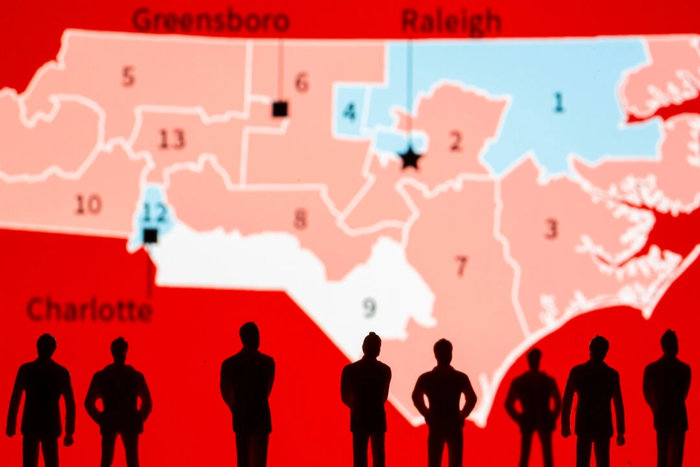
North Carolina redistricting: GOP Gains Ground as Legal Battles Escalate Nationwide
Updated November 27, 2025
The battle over congressional maps is intensifying across the US, and a recent ruling in North Carolina has handed a important victory to the Republican party. On November 23rd, a three-judge panel greenlit North Carolina’s redrawn congressional map, a move designed to possibly secure an additional GOP seat in the House. But this isn’t happening in a vacuum. It’s part of a larger,increasingly contentious national trend of redistricting – and the legal challenges that follow.
This article breaks down the North Carolina decision, its implications, and how it fits into the broader landscape of partisan map-drawing happening across the country. We’ll explore the legal arguments, the potential impact on voters, and what you need to know about this evolving situation.
What Happened in North Carolina?
The court’s unanimous decision denies a request for an injunction that would have blocked the use of the new map in the 2026 elections. This means the map, crafted by north Carolina’s Republican-led General Assembly, will be used as is.
Specifically, the map targets the district currently held by Representative Don Davis (D-N.C.). Davis’s 1st District has been represented by an African-American member of Congress for over three decades, encompassing more than 20 counties in the state’s northeast. The redrawn lines aim to shift the district’s demographics,potentially making it more favorable for a Republican candidate.
This decision follows a similar ruling earlier in November upholding other House districts redrawn in 2023. Those maps already contributed to the GOP gaining three seats in Congress during the 2024 elections.
The legal Challenge: Claims of Voter Dilution and Discrimination
the North Carolina NAACP and Common Cause filed the injunction requests, alleging the 2023 and 2025 maps constitute voter dilution and racial discrimination. These claims are rooted in the Voting Rights act and the U.S.Constitution, arguing the map unfairly diminishes the voting power of minority communities.
Essentially, the plaintiffs argue the map is gerrymandered – drawn to favor one political party or group. This isn’t a new accusation; it’s a central point of contention in redistricting battles nationwide.
A National Trend: Redistricting as a Political Weapon
North Carolina isn’t alone in this fight. The current wave of redistricting activity began earlier this year in texas.
Here’s a quick overview of the key events:
* Texas: The Republican-controlled legislature attempted to redraw districts mid-cycle to gain five additional seats.
* California: in response,Democratic Governor Gavin Newsom and the state legislature put forward a counter-redistricting plan,approved by voters as a ballot initiative.
* Texas Ruling (and Appeal): A Texas court initially blocked the new Texas map, citing racial gerrymandering. However,the state appealed,and the Supreme Court issued a temporary stay,pausing the ruling while they consider the case.
This back-and-forth highlights a dangerous trend: using redistricting as a partisan weapon to solidify power. It raises serious questions about fair depiction and the integrity of our electoral process.
What Does this Mean for You?
These redistricting battles directly impact your representation in Congress. A gerrymandered map can:
* Reduce Competitive Races: Creating “safe” districts for one party discourages meaningful elections.
* Dilute Your Vote: Your vote may have less impact if districts are drawn to minimize the influence of your political group.
* Polarize Politics: Safe districts often lead to more extreme candidates and less willingness to compromise.
It’s crucial to understand how these maps are drawn and to advocate for fair and transparent redistricting processes.
The Future of Redistricting: What to Watch For
The North Carolina ruling is likely just one battle in a larger war. Here’s what to expect:
* Supreme Court Decision on Texas: The Supreme Court’s decision on the Texas map will set a significant precedent.
* Continued Litigation: Expect further legal challenges to maps in other states.
* Calls for Reform: Advocacy groups will continue to push for self-reliant redistricting commissions – bodies that take


