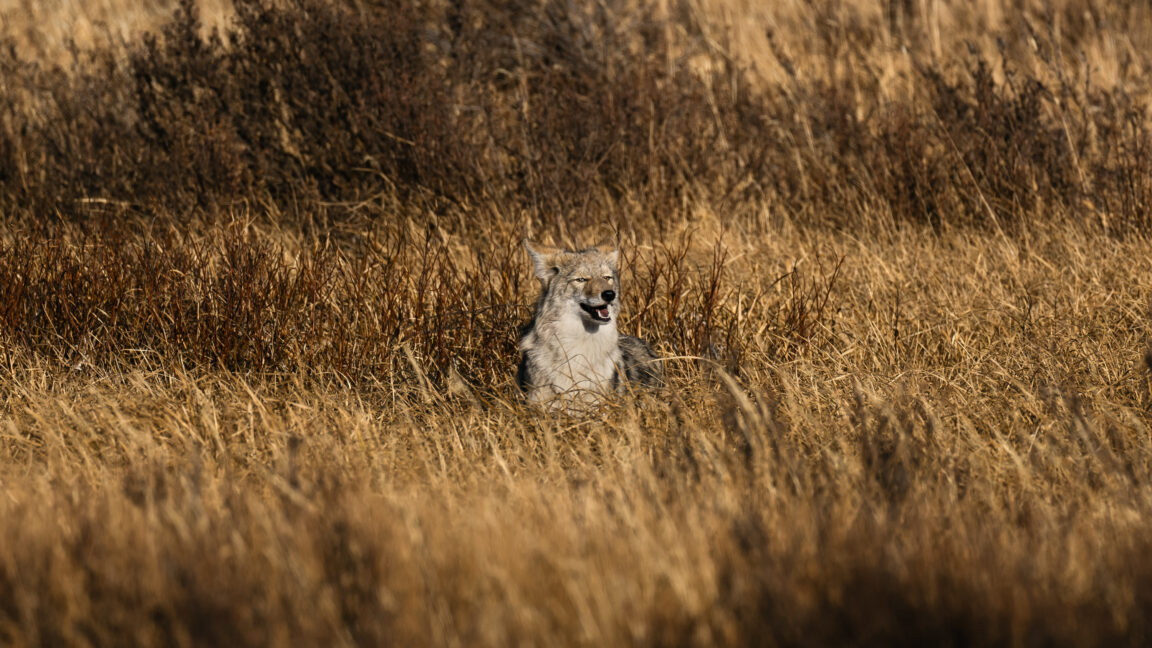
The Surprisingly Limited Impact of Wolves, Bears, and Cougars on Ungulate Populations
For decades, the reintroduction of apex predators like wolves, bears, and cougars has been championed as a key strategy for restoring ecological balance. But a growing body of research suggests the reality is far more complex. New analysis reveals that the influence of these predators on populations of elk, moose, and deer is frequently enough surprisingly minimal, overshadowed by the dominant force of human activity.
The prevailing narrative often posits a “trophic cascade” – where the return of top predators regulates prey populations, leading to healthier plant communities. However, studies reviewed indicate that significant prey suppression only occurs when wolves are coupled with grizzly bears and human hunting is substantially reduced.
“Outside of that specific combination, predators are often ‘background noise’ against the backdrop of how humans manage ungulate populations,” explains Dr. william Wilmers, a leading carnivore ecologist. This isn’t to say predators are irrelevant, but their impact is frequently overestimated.
Interestingly, some research even shows ungulate populations increasing with the presence of wolves and grizzlies. This counterintuitive result likely stems from wildlife managers initially overestimating predator impact when setting hunting quotas.
Beyond the Cascade: Ecosystem Complexity
The idea that simply adding predators will automatically “fix” an ecosystem is a simplification, according to wildlife ecologist Rae Wynn-Grant. “Our world would be much simpler if it did,” she notes, “but so many variables influence how ecosystems respond to carnivore populations in North America.”
Yellowstone National Park, often held up as a model for predator restoration, exemplifies this complexity. Despite decades of research, scientists haven’t definitively answered whether a fully restored ecosystem – one returned to its pre-extinction state – is truly achievable. Untangling the web of factors driving ecological shifts in a place like Yellowstone takes considerable time and reveals that reversing past ecological damage isn’t always straightforward.
The Importance of Prevention
The research underscores a critical point: preventing the loss of key species like beavers and wolves is far more effective than attempting to restore them after they’ve disappeared. Yellowstone’s experience highlights the concept of “alternative stable states” – ecosystems can settle into different configurations, and returning to the original state may be unfeasible or require an impractical level of intervention.
Ultimately, a nuanced understanding of predator-prey dynamics, coupled with a recognition of the pervasive influence of human activity, is essential for effective conservation strategies. Focusing solely on predator reintroduction without addressing broader landscape management and human impacts risks overlooking the most significant drivers of ecological change.
evergreen Section: The Future of Coexistence
The evolving understanding of predator-prey relationships necessitates a shift in conservation approaches. Rather than solely focusing on reintroduction, efforts should prioritize habitat preservation, responsible hunting regulations, and mitigation of human-wildlife conflict. Accomplished coexistence requires acknowledging that ecosystems are dynamic and complex,and that a single solution rarely exists. Long-term monitoring and adaptive management strategies are crucial for navigating the challenges of a changing world and ensuring the health of both wildlife populations and the ecosystems they inhabit.
FAQ Section:
1. Do wolves always decrease elk populations? Not necessarily. Studies show significant elk population suppression typically requires the presence of both wolves and grizzly bears, alongside reduced human hunting pressure.
2. What is a trophic cascade? A trophic cascade is an ecological process where the addition or removal of a top predator has cascading effects down the food chain,impacting plant communities and other species.
3. is predator reintroduction always a successful conservation strategy? The research suggests it’s not a guaranteed success. Ecosystems are complex, and other factors, like human activity, often play a larger role.
4. Why is Yellowstone National park crucial for predator research? Yellowstone’s relatively intact ecosystem and iconic status make it a crucial location for studying the long-term effects of predator reintroduction.
5. What is an “alternative stable state” in ecology? It refers to the ability of an ecosystem to exist in multiple stable configurations, making it tough to return to a previous state after significant disturbance.
6. How does human hunting impact predator-prey dynamics? Human hunting can substantially alter ungulate populations, frequently enough overshadowing the effects of natural predators.
7. What is the most effective approach to conserving predators and their ecosystems? Preventing the initial loss of key species and focusing on holistic landscape management are more effective than solely relying on reintroduction efforts.
Related reading