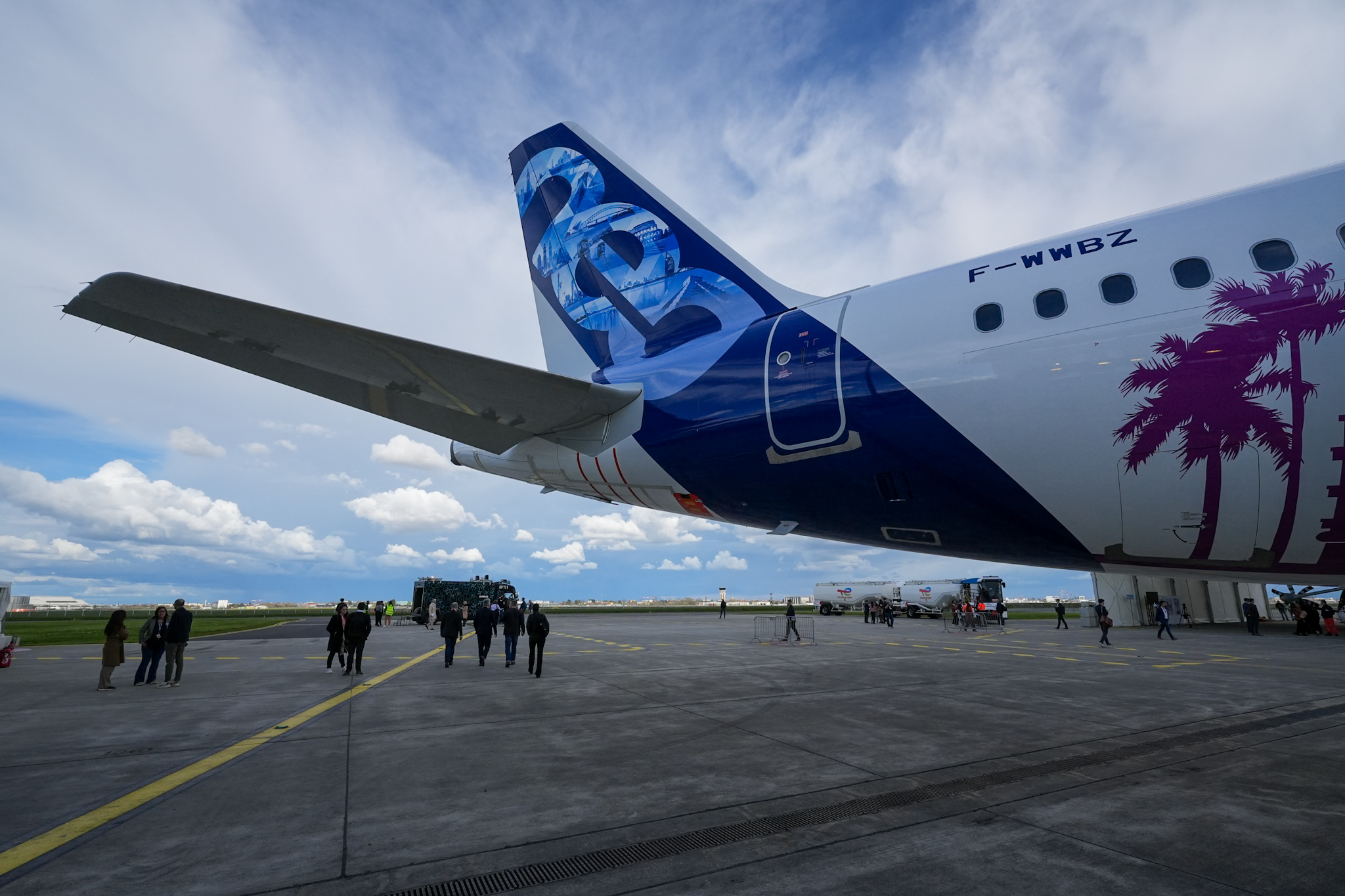
Summary of the Airbus A320 Solar Radiation crisis & Space Whether Threat to Aviation
This article details a significant safety issue affecting Airbus A320 aircraft, stemming from a vulnerability to solar radiation in older models. Here’s a breakdown of the key points:
The Problem:
* Vulnerability: Older A320s with ELAC B hardware running L104 software are susceptible to failures caused by solar radiation, particularly at high altitudes and on polar routes.
* Solution: Newer aircraft can be downgraded to the L103 software version, which Airbus believes resolves the issue.Older aircraft require complete computer replacements – a lengthy and resource-intensive process.
* Cause: The vulnerability emerged under specific,intense solar activity conditions not fully replicated in standard certification testing.
The Broader Threat – Space Weather & Aviation:
* Increasing Risk: Modern, digitally-dependent aircraft are increasingly vulnerable to space weather events (solar flares, coronal mass ejections).
* Solar Cycle: Solar activity is cyclical (approx. 11 years) and current cycles are showing more powerful radiation events.
* Impacts: Space weather can disrupt:
* GPS accuracy
* satellite communication
* Inertial reference systems
* Increase radiation exposure for crew & passengers (potentially requiring rerouting)
Manufacturing & Certification Concerns:
* Responsibility: Thales (hardware manufacturer) claims it’s computers meet Airbus specifications and certifications, framing the issue as a software design flaw by Airbus.
* Certification Gaps: Existing certification processes may not adequately account for extreme space weather scenarios. Software failures can be subtle and only manifest under specific conditions.
* Complexity: Increasing software dependence increases the complexity of potential failure modes.
Operational Impact & Response:
* Disruptions: Airlines experienced varying levels of disruption, with those able to quickly downgrade software experiencing fewer issues.
* Airbus Response: Airbus proactively issued an Alert Operators Transmission (AOT) and worked with authorities.
* Industry Response: The industry responded quickly and decisively, a contrast to past safety incidents.
* Resolution (as of late November 29): Moast required modifications were completed,and flight operations returned to near-normal.
Long-term Implications:
The crisis highlights the need for:
* Re-evaluation of aircraft design.
* Improved aviation certification protocols to account for extreme space weather.
* Enhanced space weather monitoring and warning systems.
* Recognizing space weather resilience as a critical safety factor.
In essence, the article paints a picture of a previously underestimated threat to aviation safety, driven by the increasing reliance on complex digital systems and the unpredictable nature of space weather. It underscores the need for proactive adaptation and a more holistic approach to aviation safety that considers environmental factors beyond traditional mechanical failures.