Did EnglandS Warm-Up match Truly Prepare Them for the Ashes? A Deep Dive
The anticipation for the 2025 Ashes series is building, but questions linger about the effectiveness of England‘s warm-up matches. While a pink-ball practice game against a Prime Minister’s XI offered some playing time, did it genuinely equip the Test batters for the fierce competition awaiting them in brisbane? Let’s dissect the match, analyse its limitations, and explore what England really needs to succeed in Australia.
The recent practice match, played under relatively calm conditions, lacked the intensity expected of an Ashes lead-up. It was a low-key affair, a stark contrast to the pressure cooker environment of the Gabba. This raises a crucial point: how much can be gleaned from a game so different in atmosphere and challenge?
A Look at the Opposition: PM XI’s Bowling Attack
The PM XI’s attack, while willing, presented a important disparity in experience. Veteran Australian seamer Peter Siddle, at 41, was the only bowler with substantial first-class pedigree. The remaining four pace bowlers collectively held a meager six first-class wickets.
This begs the question: can you truly refine your technique and build confidence against an inexperienced bowling lineup? While valuable for a gentle run-out, it’s unlikely to replicate the relentless pressure of facing Australia’s premier pace attack – Pat Cummins, Mitchell Starc, and Josh Hazlewood.
Weather Woes: A Brisbane Reality Check
The weather conditions during the practice match were far removed from what England can expect in Brisbane. A chilly 12 degrees Celsius required blankets even for the coaching staff. Brisbane, particularly during the Ashes, is known for its heat and humidity.
Adapting to these contrasting climates is a significant challenge. It impacts everything from ball movement to player stamina, and a lack of exposure to similar conditions could put England at a disadvantage.
Individual Performances: Mixed Signals
Matthew Tongue enjoyed a solid workout, demonstrating control and good pace throughout his 16 overs.Despite remaining wicketless, he was unfortunate with two dropped catches. This suggests he’s building rhythm and could be a valuable asset.
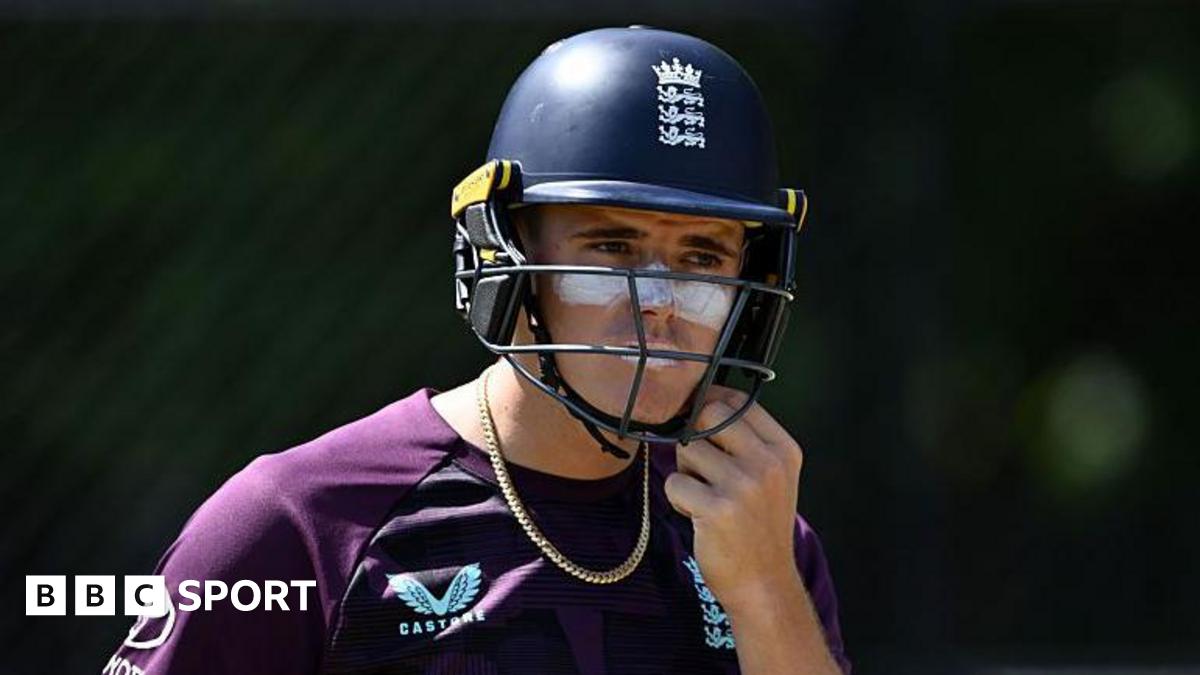
However, the same can’t be said for all. Young batter Jacob Bethell missed a golden chance to impress on a favorable batting pitch. His dismissal, a tame one against a bowler yet to debut in first-class cricket, was a setback.
Bethell’s recent form is a concern. He’s only surpassed fifty once in nine innings (across all formats) sence arriving in Australia in early November. this lack of consistent runs will undoubtedly weigh on his confidence.
The Pink-Ball Conundrum: Is it enough?
Despite the upcoming second Test also being a pink-ball match, the value of this specific practice is debatable. While familiarizing yourself with the pink ball’s unique characteristics – increased seam movement and visibility – is critically important, it doesn’t address the broader challenges of playing in Australia.
The key isn’t just the ball; it’s the pitch, the pace, the bounce, and the relentless hostility of the Australian crowd. These are factors a amiable practice match simply can’t replicate.
What Does England Need to Do Now?
So, what steps can England take to maximize their chances of success? Here’s a practical approach:
* Intensify Net sessions: Simulate the pressure of test cricket with high-intensity net sessions. Focus on facing short-pitched bowling and practicing defensive techniques.
* Seek Local Expertise: Consult with former Australian players or coaches to gain insights into the specific challenges of playing in Australian conditions.
* Mental Planning: Invest in sports psychology to help players manage pressure and maintain focus throughout the series.
* Adaptability is Key: Be prepared to adjust your game plan based on the conditions and the opposition.Rigidity will be punished.
* Focus on First-Class Technique: Reinforce fundamental batting techniques. Solid foundations are crucial when facing world-class bowlers.
Recent Research & Statistics (November 2024 – november 2025)
A recent study by The Cricketer (November 2025) highlighted a 25% increase in the success rate of teams who prioritize acclimatization periods in Australia, including extended net sessions and local practice matches against stronger opposition. Furthermore, data from ESP
Related reading