The Critical Link Between Maternal Thyroid Health and Autism Risk
Did You Know? Recent research indicates a important correlation between untreated thyroid hormone imbalances during pregnancy and an increased risk of autism spectrum disorder (ASD) in children. This highlights the crucial importance of proactive thyroid monitoring for expectant mothers.
The journey to parenthood is filled with anticipation and careful planning. But what if a seemingly unrelated aspect of maternal health – the thyroid – could substantially impact a child’s neurodevelopment? Emerging evidence strongly suggests a link between thyroid function during pregnancy and the risk of autism. This isn’t about causing alarm, but about empowering expectant mothers and healthcare providers with knowledge to optimize prenatal care. A recent study published in The Journal of Clinical Endocrinology & Metabolism sheds light on this complex relationship, revealing that persistent, untreated thyroid hormone irregularities throughout pregnancy may elevate the chances of a child receiving an autism diagnosis. Understanding this connection, and the nuances within it, is paramount for ensuring the healthiest possible start for every child. Are you aware of the vital role thyroid hormones play in fetal brain growth?
Understanding the Maternal Thyroid-Autism Connection
Pro Tip: If you are planning a pregnancy or are currently pregnant, discuss your thyroid health with your doctor. Simple blood tests can identify potential imbalances early on.
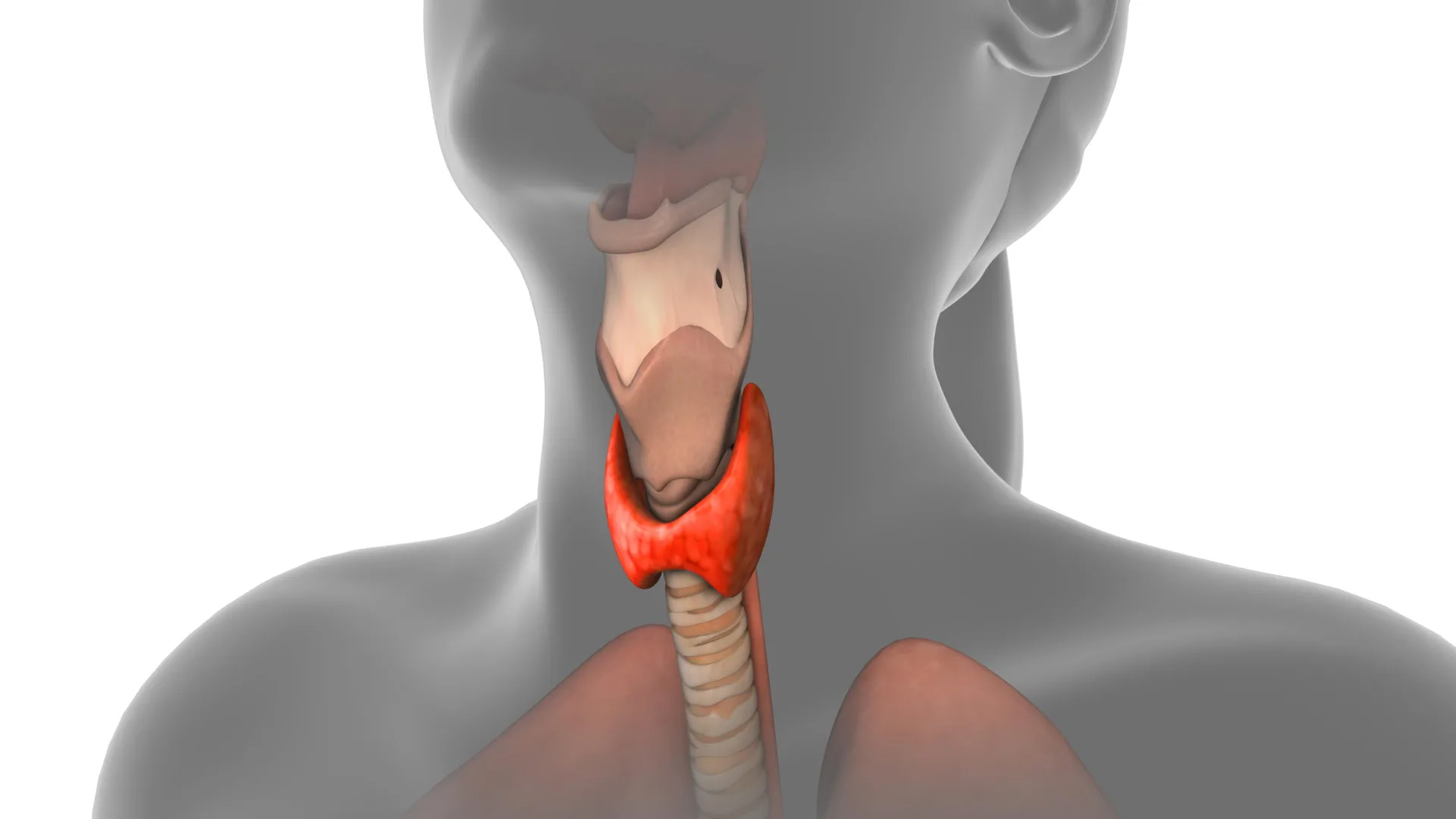
Thyroid hormones, produced by the mother, are not merely supporting her well-being; they are essential building blocks for the developing fetal brain. These hormones are critical for neuronal migration, synapse formation, and overall neurodevelopment. When these hormones are disrupted – either too high or too low – it can led to atypical brain development, possibly increasing the likelihood of neurodevelopmental conditions like autism spectrum disorder (ASD).
Autism is a complex condition affecting how an individual perceives the world and interacts with others. It’s characterized by differences in social dialog, repetitive behaviors, and restricted interests. The prevalence of autism has been steadily rising, with the CDC reporting that approximately 1 in 36 children in the United States are diagnosed with ASD as of 2023. This underscores the urgency of identifying and addressing modifiable risk factors,such as maternal thyroid health. Beyond autism, disruptions in thyroid hormone levels have also been linked to other neurodevelopmental challenges, including ADHD and intellectual disabilities.
Untreated Imbalance: The key Factor
The groundbreaking research from Ben-Gurion University of the Negev, tracking over 51,000 births, revealed a crucial distinction: adequately treated chronic thyroid dysfunction did not appear to increase autism risk. However,persistent thyroid hormone imbalance across multiple trimesters significantly did.
“We found that while adequately treated chronic thyroid dysfunction was not associated with increased autism risk in offspring, ongoing imbalance across multiple trimesters was,” explained Dr. Idan Menashe, lead author of the study. This highlights the importance of consistent monitoring and treatment. The study also demonstrated a clear “dose-response” pattern – meaning the risk of autism increased proportionally with the number of trimesters affected by thyroid hormone imbalance. This suggests that even seemingly minor fluctuations, if left unaddressed, can accumulate and impact fetal development.
Did You Know? The study’s large cohort size (over 51,000 births) strengthens the reliability of its findings, providing robust evidence for the link between maternal thyroid health and autism risk.
What does this mean for expectant mothers? It emphasizes the need for proactive thyroid screening and, if necessary, timely and consistent treatment adjustments throughout pregnancy. This isn’t just about taking medication; it’s about a collaborative approach between the patient and thier healthcare provider,involving regular monitoring and personalized care. Are you currently undergoing thyroid hormone level checks during your pregnancy?
Beyond the Basics: Related Considerations
While the study focuses on thyroid hormone imbalances, it’s important to consider other factors that can influence autism risk.These include:
* Genetic Predisposition: A family history of autism increases the likelihood of a child being diagnosed. Related reading
* Environmental Factors: Exposure to certain environmental toxins during pregnancy may play a role.
* Maternal Immune Activation: Inflammation during pregnancy has been linked to neurodevelopmental disorders.
* Nutritional Deficiencies: Adequate intake of essential nutrients, such as folate and iodine, is crucial for fetal brain development. (See