Indonesia Cyclone: Understanding the Devastating Floods and global Implications
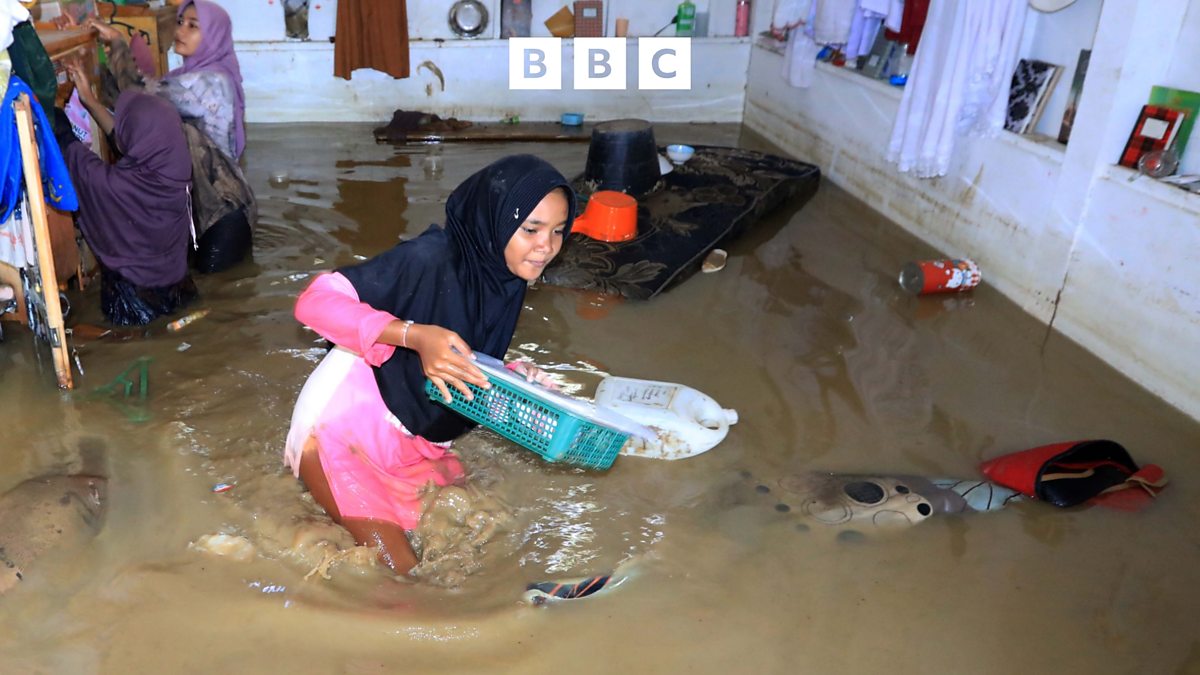
A rare and powerful tropical cyclone has triggered catastrophic flooding in Indonesia,leaving a trail of destruction and loss.Over 600 lives have been confirmed lost, with another 500 individuals still unaccounted for as rescue efforts continue. This disaster underscores the increasing vulnerability of regions to extreme weather events and highlights the complex interplay of climate change, geographical factors, and disaster preparedness.
The scale of the Disaster
The cyclone, an exceptionally unusual occurrence over the Malacca Strait, has impacted three Indonesian provinces, affecting approximately 1.4 million people. Initial reports detail widespread damage to infrastructure, homes, and critical resources. Rescue teams are facing significant challenges in reaching isolated communities, hampered by damaged roads and ongoing rainfall.
Here’s a breakdown of the key impacts:
* Human Cost: Over 600 confirmed fatalities and 500 missing persons.
* Affected Population: Approximately 1.4 million individuals impacted across three provinces.
* Infrastructure Damage: extensive damage to roads, bridges, homes, and essential services.
* Displacement: Hundreds of thousands displaced from thier homes, requiring urgent shelter and aid.
Why This Cyclone is Unusual
Cyclones are not typical for the region around Indonesia, especially those forming over the Malacca Strait. Several factors may have contributed to this rare event. Warmer sea surface temperatures, a known outcome of climate change, provide more energy for cyclone progress.Changes in atmospheric patterns and wind shear could also have played a role, creating conditions conducive to cyclone formation.
You might be wondering what makes this event so different. Typically, Indonesia experiences more localized flooding due to monsoon rains, not the widespread devastation caused by a cyclone. this event signals a potential shift in weather patterns and a heightened risk of similar occurrences in the future.
Beyond Indonesia: Global Connections and Concerns
This disaster isn’t isolated to indonesia. It serves as a stark reminder of the interconnectedness of global weather systems and the escalating threat of climate change.
Consider these broader implications:
* Climate Change Link: The event reinforces the scientific consensus that climate change is increasing the frequency and intensity of extreme weather events.
* Disaster Preparedness: It highlights the critical need for improved disaster preparedness and early warning systems in vulnerable regions.
* Humanitarian Response: The scale of the disaster necessitates a robust international humanitarian response to provide aid and support to affected communities.
* Geopolitical Considerations: The event may also have implications for regional stability and resource allocation.
Other Global News Updates
While the Indonesian floods demand immediate attention,several other significant global events are unfolding:
* Russia-Ukraine Conflict: Reports indicate young African men are being lured to Russia with promises of employment,only to be deployed to fight in Ukraine. This raises serious ethical and humanitarian concerns.
* PFAS Contamination: The presence of “forever chemicals” (PFAS) in our bodies is gaining increased scrutiny. Understanding the sources of exposure and potential health risks is crucial.
* Past Podcast: A new podcast is exploring the impact of a pivotal bomb that dramatically altered the course of history.
* HIV Prevention in South Africa: Innovative strategies are being implemented to combat HIV and improve prevention efforts in South Africa.
* Corruption Case: A niece of a former Bangladeshi prime minister has been convicted on corruption charges, highlighting ongoing efforts to address governance issues.
* Data Breach: South Korea experienced its largest data breach to date, raising concerns about cybersecurity and data protection.
* World Record: A new, unusual world record has been set, capturing public attention and demonstrating human achievement.
Evergreen Section: Building resilience in a Changing Climate
The Indonesian floods are a tragic example of the increasing challenges posed by a changing climate. Building resilience to these challenges requires a multifaceted approach. You can contribute to a more enduring future by:
* Supporting climate Action: Advocate for policies that reduce greenhouse gas emissions and promote renewable energy.
* Investing in Disaster Preparedness: Support organizations working to improve disaster preparedness and early warning systems.
* **Reducing Your Carbon foot