Allegations of a Second Strike in Caribbean Boat Interdictions Raise legal and Ethical Concerns
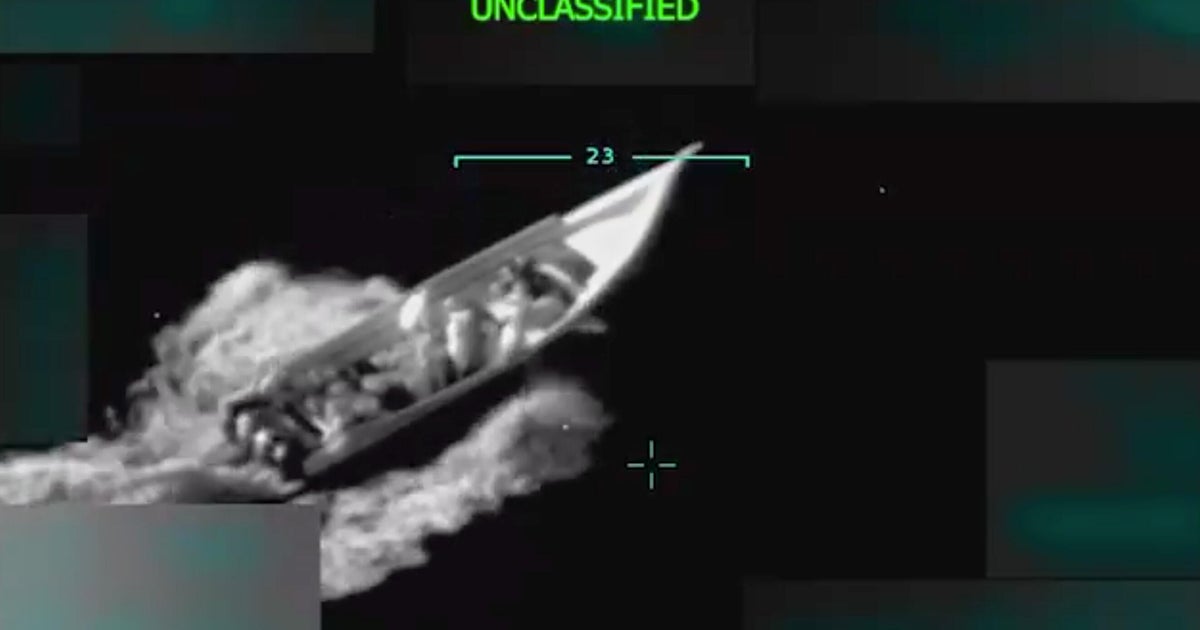
Serious questions are emerging regarding recent U.S. military actions in the Caribbean sea, specifically concerning allegations of a follow-up strike on individuals already incapacitated in the water. These developments are prompting calls for a thorough examination into potential war crimes and violations of international law.
What Happened?
Reports suggest that after an initial engagement with suspected drug smuggling vessels, a second strike occurred, targeting individuals who were reportedly already injured and in the water. This claim, if substantiated, carries notable legal weight. Several prominent figures have already weighed in on the matter.
Former Defense Secretary Leon Panetta stated unequivocally that a second strike targeting wounded individuals would constitute a war crime.He emphasized the fundamental rules of war require efforts to protect those who are no longer combatants.
Senator Roger Wicker, Chairman of the Senate Armed Services Commitee, confirmed he has been briefed on the situation. He indicated that discussions with military leadership, including General Dan Caine, Chairman of the Joint Chiefs of Staff, suggest a second attack did occur. Wicker expects a full review of audio and video recordings to clarify the events.
The Broader Context of Caribbean Boat Strikes
These allegations arrive amidst a series of nearly two dozen boat interdictions conducted by the U.S.military in the Caribbean and eastern Pacific since September 2nd. These operations are aimed at disrupting the flow of illegal drugs into the United States.
The current management defends these actions, citing the devastating impact of drug trafficking on American communities. Officials claim a significant reduction in drug flow has already been achieved.They assert each boat intercepted is responsible for the deaths of approximately 25,000 Americans due to drug-related causes.
What does This Mean for You?
You might be wondering why this matters beyond the immediate legal implications. these events raise critical questions about the balance between national security, law enforcement, and adherence to international humanitarian law.
Here’s a breakdown of the key concerns:
* Legality: International law strictly prohibits targeting individuals who are no longer posing a threat. A second strike on wounded individuals would be a clear violation.
* Ethics: even if legally permissible, the morality of such actions is highly questionable. The principle of providing aid to those in distress is a cornerstone of humanitarian principles.
* accountability: A thorough and obvious investigation is crucial to determine the facts and ensure accountability for any wrongdoing.
* Reputational Risk: These allegations could damage the United States’ standing on the world stage and undermine its commitment to the rule of law.
What’s Next?
The Senate Armed Services Committee is expected to conduct a comprehensive review of the events. This will involve examining all available evidence, including audio and video recordings, and interviewing personnel involved in the operations.
The outcome of this investigation will be critical in determining whether any laws were broken and whether any disciplinary action is warranted.It will also shape the future of U.S. maritime interdiction policies and practices.
This is a developing story, and we will continue to provide updates as more data becomes available. It’s a situation that demands careful scrutiny and a commitment to upholding the highest standards of legal and ethical conduct.
Keep reading