The Return of the Tule Fog: Navigating California’s Most Mysterious Weather Phenomenon
California’s Central Valley is currently experiencing a prolonged embrace by the tule fog – a dense, ground-level cloud that has captivated and challenged residents for generations. For over a week, this iconic weather event has blanketed the region, impacting travel, air quality, and even agricultural practices. Let’s delve into what causes this fog,the risks it presents,and how you can stay safe.
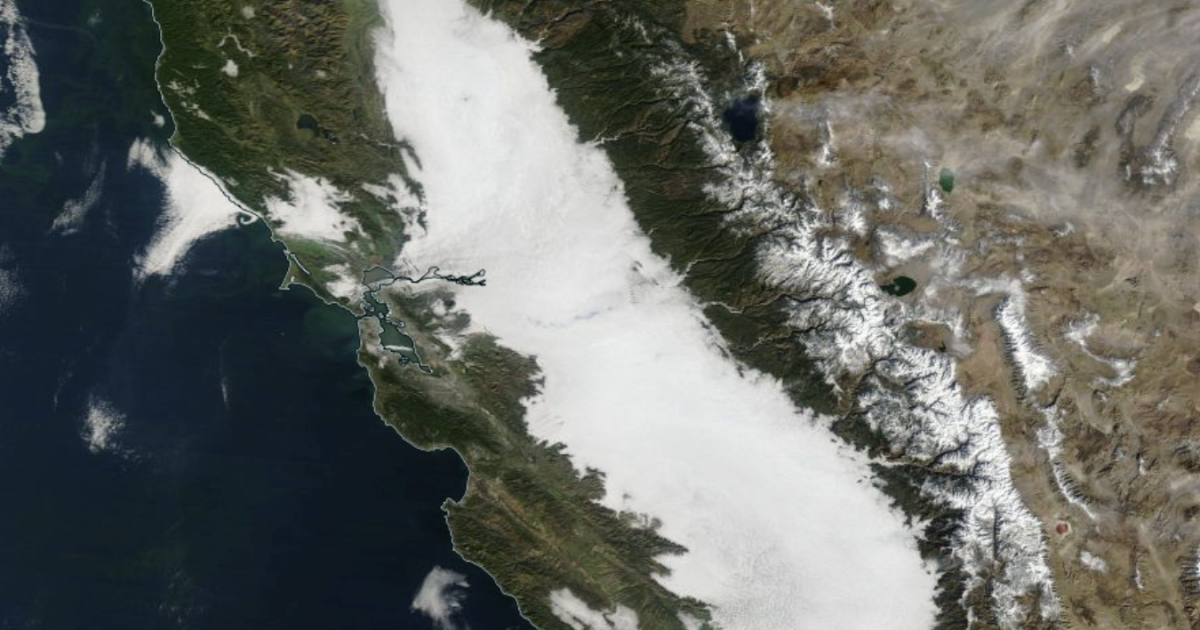
(Image: A side-by-side comparison of California from space, showing the clear conditions of October 29, 2025, versus the fog-shrouded landscape of November 27, 2025. Source: NASA Earthdata)
What is Tule Fog?
Often referred to as “radiation fog,” tule fog isn’t just any ordinary mist. It’s a specific meteorological condition born from a unique combination of factors. These include:
* Cool, moist air drifting in from the Pacific Ocean.
* Clear skies allowing for rapid cooling overnight.
* Light winds that prevent the fog from dispersing.
This combination is notably prevalent in the Central Valley, where the geography traps the cool air, allowing the fog to thicken and linger. It’s a phenomenon deeply woven into the fabric of California’s history, influencing everything from transportation to artistic expression.
A History of Hazard – and Benefit
For decades, tule fog has been a “main character” in California life, as the Los Angeles Times has noted. While possessing a haunting beauty that has inspired poets, it’s also a serious safety concern.
Historically, the fog has been responsible for massive highway pileups. The most infamous occurred in november 2007 on Highway 99, involving 108 vehicles, tragically resulting in two fatalities and 40 injuries. Thankfully, as of today, November 27, 2025, no major accidents have been reported despite nine consecutive days of dense fog.
Though, the fog isn’t entirely detrimental. California’s agricultural industry relies on it. Crops like almonds, apricots, cherries, peaches, and pistachios require a period of dormancy – a “rest” – to ensure a bountiful harvest.The consistent moisture provided by the tule fog helps these trees fulfill that crucial requirement.
current Conditions & Forecast
The National Weather Service (NWS) forecasts a temporary reprieve this Monday evening for much of the Central Valley (including Merced, Fresno, Visalia, and Bakersfield).Though, expect conditions to deteriorate overnight.
Visibility is predicted to drop to as low as half a mile, reaching Level 3 on the NWS’s five-level fog severity index – indicating a moderate risk.You can find the latest forecasts and advisories directly from the NWS here: https://www.weather.gov/hnx/HNXFogSI.html
staying Safe in the Tule Fog: A Driver’s Guide
If you must travel in foggy conditions, your safety is paramount.here’s what you need to know:
* Postpone if Possible: The safest option is to delay your trip until the fog lifts.
* Lights On, Low Beam: use your headlights on the lowest setting. High beams will reflect back at you, reducing visibility further.
* Increase Following Distance: Leave ample space between you and the vehicle ahead.
* Avoid Lane Changes: Minimize unneeded maneuvers.
* Emergency Stops: Only stop on the highway in a genuine emergency.
* Move Away From Disabled Vehicles: If your vehicle becomes disabled, get yourself and any passengers away from the roadway.
* Watch for CHP Pace Vehicles: the California Highway Patrol frequently enough deploys pace vehicles to guide traffic through the fog. Follow their instructions carefully.
* Be Aware of Disorientation: The fog can distort your perception of speed and distance. Drive cautiously and at a reduced speed. Visibility can drop to a mere 10 feet.
Resources for Staying Informed
* NASA Earthdata: https://www.earthdata.nasa.gov/about/esdis/eosdis
*