U.S. Escalates counter-Narcotics Operations, Sparking Legal and Political Debate
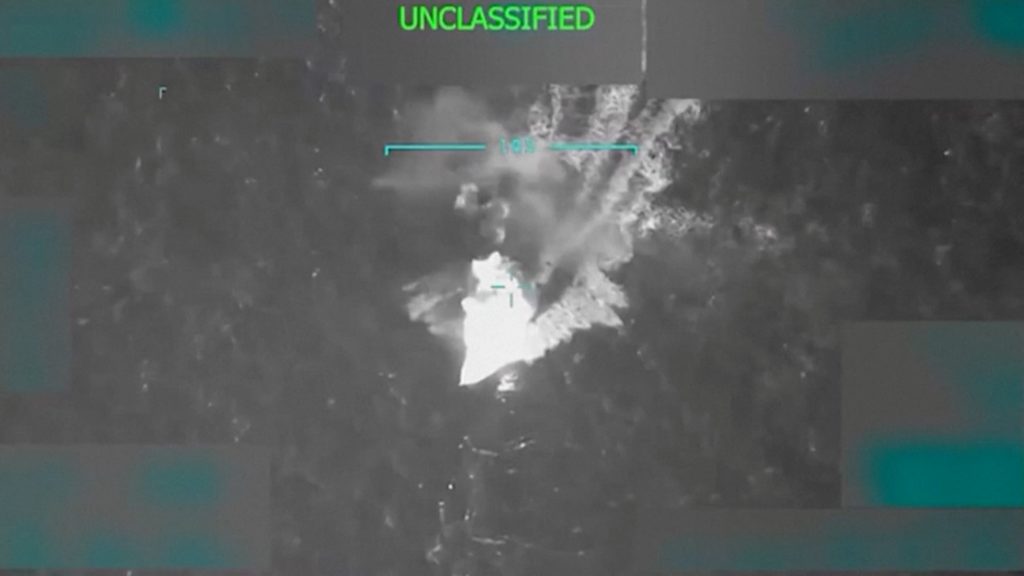
The United States is significantly increasing its direct military intervention against drug cartels, particularly in the Caribbean Sea and near Venezuela, leading to a growing chorus of concern from both sides of the political aisle.Recent operations, initially framed as targeting “narco-terrorists,” are now under intense scrutiny following reports of a potential second strike against individuals attempting to surrender.
This shift in strategy represents a notable escalation from customary counter-narcotics efforts, which typically focused on interdiction and support for local law enforcement. Now, the U.S. Navy is actively engaging suspected cartel vessels, resulting in a substantial increase in naval presence in the region. Approximately 15% of all currently deployed U.S. Navy ships are now operating in Latin America and the caribbean.
Concerns Mount Over Tactics and Legality
The initial strike in September has been followed by at least 21 attacks on boats, resulting in over 80 fatalities. However, allegations of a follow-up strike against individuals on a raft who appeared to be surrendering have ignited a firestorm of controversy.
Several prominent lawmakers have expressed deep concern. Key members of both the Senate and House Armed Services Committees have announced vigorous oversight of the operation. Republicans, in particular, have questioned the legality of the alleged second strike.
* Representative Mike Turner emphasized the seriousness of such an action, stating it would be an ”illegal act.”
* Representative Don Bacon highlighted the violation of the laws of war,noting that surrendering individuals should not be targeted unless they pose an “imminent threat.” He questioned whether individuals on a raft attempting to survive could realistically be considered such a threat.
These concerns underscore a essential question: what constitutes an “imminent threat” in these scenarios, and are current rules of engagement adequately addressing the complexities of confronting non-state actors involved in drug trafficking?
Broader Regional Implications and Venezuela
The increased U.S. activity isn’t limited to maritime engagements. President Trump has publicly stated he is applying pressure on Venezuelan President Nicolás Maduro,and the two leaders recently spoke.
The administration is now considering further action, possibly including strikes on Venezuelan soil. this raises the stakes considerably, potentially destabilizing the region further. Maduro, though, has publicly dismissed the pressure, claiming Venezuela has withstood previous sanctions and threats.
* Maduro stated that Venezuelans “did not cower” in the face of economic warfare, and have instead “put on their boots and went to work.”
You might be wondering what this means for you. This escalation could have several consequences:
* Increased Regional Instability: Direct military intervention carries the risk of escalating conflicts and unintended consequences.
* Humanitarian Concerns: The potential for civilian casualties and the ethical implications of targeting suspected criminals are notable.
* Strain on International Relations: Actions against Venezuela could further isolate the U.S. and damage relationships with regional partners.
What’s Next?
President Trump is currently weighing his options, signaling no intention of backing down from the current campaign. The situation remains fluid and highly sensitive.
It’s crucial to understand that this isn’t simply a law enforcement issue. It’s a complex geopolitical challenge with far-reaching implications. As the U.S.continues to navigate this evolving landscape,expect continued scrutiny from Congress,international observers,and the public. Your awareness of these developments is vital to understanding the shifting dynamics in the Western Hemisphere.
Worth a look
- Who Pays for Climate Disasters? Funding the Cost of Global Catastrophes
- DeepSeek AI: China’s New Model 100x Cheaper Than Claude Fable 5
- Tokushima Legal Professionals Collaborate on Law in Practice Initiative (archyde.com)
- Houston Fire Department Statement on Fire Station 17 Incident (newsdirectory3.com)