Royal Residences Under Scrutiny: Parliament Launches Inquiry into Lease Agreements
A new inquiry is underway in the UK Parliament, focusing on the lease arrangements for royal residences. The Public Accounts Committee announced it will investigate the terms granted to members of the royal family for properties managed by the Crown estate, following revelations about substantially below-market rents. This comes after documents detailing these arrangements were recently released, sparking public interest and raising questions about clarity and value for taxpayers.
What Sparked the Inquiry?
The committee’s decision to launch a formal inquiry stems from information received from the Treasury, the Crown Estate, and a recent update to a 2005 National Audit Office (NAO) report. The initial disclosures highlighted the favorable terms enjoyed by several royals. Here’s a breakdown of some key examples:
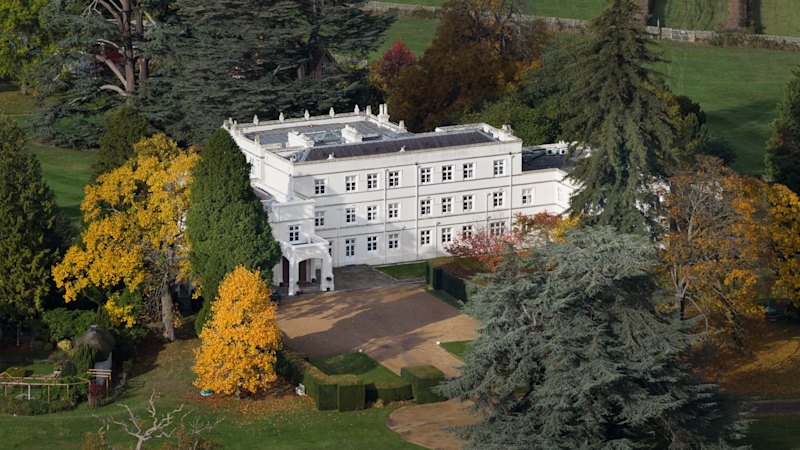
* Prince Andrew: Paid an initial £8.5 million (approximately $10.6 million USD) between 2003 and 2005 for a 150-year lease on Royal Lodge in Windsor Great Park.
* Prince Edward,the Duke of Edinburgh: Leases Bagshot Park in Surrey for a peppercorn rent,having paid an upfront £5 million (approximately $6.3 million USD) on a 150-year lease 25 years ago.
* Princess alexandra: Resides in the Grade II-listed Thatched House Lodge in Richmond park, paying just over £2,700 (approximately $3,400 USD) annually.
These figures have prompted scrutiny,leading the committee to seek a deeper understanding of the rationale behind these arrangements.
Understanding the Crown Estate
It’s crucial to understand how the Crown Estate operates. It’s a vast portfolio of land and property belonging to the reigning monarch “in right of the Crown.” However, it’s not the monarch’s private property.
Instead, it’s managed as an independent commercial business. All profits generated are paid directly to the UK Treasury. From these profits, a portion – known as the Sovereign Grant – is allocated to the royal family to fund their official duties.
What Will the Inquiry Focus On?
The Public Accounts Committee aims to determine whether these lease arrangements represent value for money for the British taxpayer. Key areas of investigation will likely include:
* The valuation process: How were the initial payments and ongoing rents persistent?
* Comparability to market rates: How do these terms compare to similar properties leased on the open market?
* Transparency and accountability: Were the arrangements subject to sufficient scrutiny and oversight?
* The role of the NAO: What conclusions will the National Audit Office draw from the updated information?
Committee Chair Gareth Clifton-Brown emphasized the importance of transparency, stating the committee aims to “aid transparency in public interest information” and “secure value for money for the taxpayer.”
What Happens Next?
The committee is currently awaiting the NAO’s analysis of the information. A date for the first evidence session will be announced shortly. The Crown Estate has welcomed the inquiry, stating its willingness to cooperate fully and provide further information.
Dan Labbad, Chief Executive of the Crown Estate, affirmed their commitment to working wiht the NAO and responding to questions throughout the inquiry process.
This inquiry represents a meaningful moment for accountability regarding the financial arrangements surrounding royal residences. You can expect further updates as the investigation progresses, and it’s a development that underscores the ongoing public interest in ensuring responsible stewardship of public funds.
Source: The Telegraph, London
Stay Informed: Sign up for our weekly what in the World newsletter to receive insights from our foreign correspondents.
Keep reading