
Navigating the Murky Waters of Caribbean Interdiction: A Deep Dive into US Drug Enforcement Tactics
The Caribbean Sea is increasingly becoming a focal point for international tensions, particularly concerning drug trafficking.Recent events,involving US military strikes on suspected drug vessels,have ignited controversy and raised critical questions about the legality and ethics of these operations. Understanding the complexities of Caribbean interdiction – the practice of intercepting and preventing illegal drug shipments - is crucial for anyone seeking to grasp the evolving geopolitical landscape and the challenges of combating narcotics trafficking.
This article will delve into the specifics of these incidents, the legal framework governing such actions, the rising tensions with Venezuela, and what these developments mean for the future of security in the region.
The Recent Strikes and the “Fog of War”
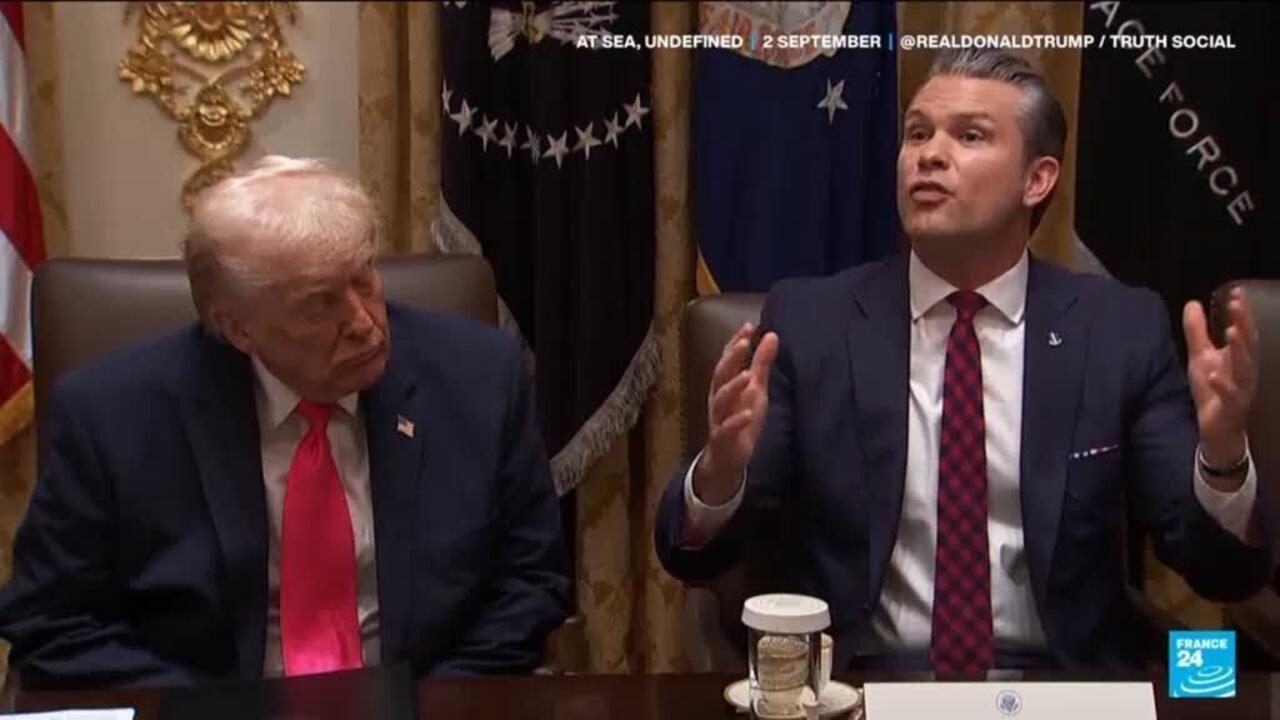
A recent cabinet meeting saw strong defense of controversial strikes carried out by the US military against a suspected drug boat in the Caribbean. Defense Secretary Pete Hegseth attributed the lack of observed survivors before a second strike – suspected of resulting in fatalities and perhaps violating international law – to the ”fog of war.” this phrase, often used in military contexts, acknowledges the inherent uncertainties and difficulties in combat situations.
However, the explanation has done little to quell concerns. Questions remain about the thoroughness of initial assessments, the rules of engagement followed, and the potential for civilian casualties. These incidents highlight the inherent risks associated with aggressive enforcement tactics in a complex maritime environment.
Understanding the Legal Landscape of Drug Interdiction
The legality of these actions hinges on a complex web of international laws and agreements. The US relies on several legal justifications for it’s drug interdiction efforts, including:
* The War on Drugs: A decades-long campaign aimed at reducing the supply and demand for illegal narcotics.
* Shiprider Agreements: Bilateral agreements with Caribbean nations allowing US law enforcement to operate within their territorial waters.
* Self-Defense: The claim that actions were taken to protect US vessels and personnel.
Though,international law also dictates strict adherence to principles like proportionality and the avoidance of unnecessary force. Critics argue that the recent strikes may have violated these principles, potentially leading to legal challenges and diplomatic repercussions. The debate centers around whether sufficient precautions were taken to ensure the safety of individuals on board the targeted vessel.
Rising Tensions with Venezuela: A Key Factor
The increased US presence and assertive tactics in the Caribbean are inextricably linked to escalating tensions with Venezuela. The US has long accused the Venezuelan government of facilitating drug trafficking, a claim vehemently denied by Caracas.
Venezuela views the US operations as a provocation and a violation of its sovereignty. This has led to increased naval patrols by Venezuela in the region, raising the risk of accidental encounters or purposeful confrontations. According to a recent report by the Council on Foreign Relations (December 2023), Venezuelan naval activity has increased by 40% in the last year, specifically in areas frequented by US counter-narcotics operations. This escalating dynamic creates a volatile situation with the potential for miscalculation and conflict.
Beyond Interdiction: A Holistic Approach to Counter-Narcotics
While drug enforcement in the Caribbean is vital, experts increasingly emphasize the need for a more holistic approach. Simply interdicting drug shipments addresses the symptoms, not the root causes. A truly effective strategy requires:
* Demand Reduction: Investing in prevention programs and treatment options to reduce the demand for illegal drugs in the US and other consuming nations.
* Economic Development: Supporting economic opportunities in source and transit countries to provide alternatives to drug production and trafficking.
* International Cooperation: Strengthening collaboration with Caribbean nations and Venezuela to address the issue collectively.
* Targeting Financial Networks: Disrupting the financial flows that enable drug trafficking organizations.
Focusing solely on military interdiction risks exacerbating tensions and destabilizing the region.A comprehensive strategy, prioritizing long-term solutions, is essential for achieving lasting success. Consider exploring option strategies like bolstering regional coast guard capabilities through training and equipment provision.
What Does This Mean for You?
These developments in the caribbean have implications beyond the immediate region. Increased instability can lead to:


