
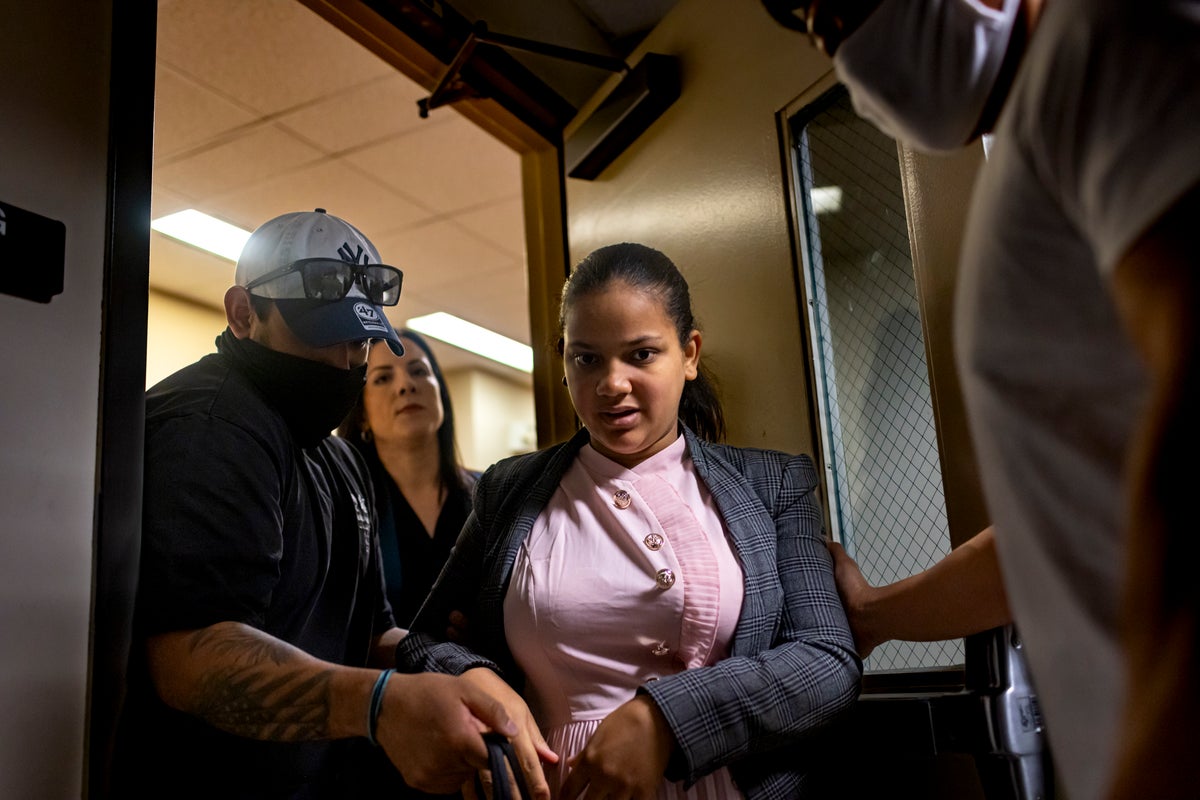
The Mounting Crisis Within ICE Detention: Impact on Pregnant Women and Family Separation
Recent reports and a growing body of legal challenges are shining a harsh light on the conditions within U.S. Immigration and Customs Enforcement (ICE) detention facilities, especially as they impact pregnant women and the families they leave behind. The situation is escalating,raising serious concerns about human rights,medical care,and the long-term well-being of vulnerable populations.This article delves into the realities faced within these facilities, the evolving ICE policies, and the devastating consequences of family separation.
Deteriorating Conditions & Denied Medical Care
A recent lawsuit highlights the alarming conditions at “Camp 57,” a new ICE facility located within a maximum-security prison in Louisiana.Homeland Security Secretary Kristi Noem recently toured the facility, which is under court order to improve conditions following reports of unsanitary and overcrowded environments.
However, the issues extend beyond physical conditions. Advocates report a disturbing pattern of denied medical care.One woman detailed in a court declaration that she was refused necessary medication while detained. This lack of access to vital healthcare poses notable risks, especially for pregnant individuals.
The Trauma of Family separation
Beyond the immediate health concerns, the detention of pregnant and postpartum women inherently leads to family separation. This separation inflicts profound emotional and psychological distress. Women with existing children express “grievous levels of stress and distress” at the prospect of being torn from their families.
The consequences are particularly acute for women like Alicia, who remains separated from her children. Her lawyer, Decker, notes that this separation caused “extreme psychological distress,” a factor that can seriously complicate a pregnancy.
Shifting ICE Policies: A Step Backward?
ICE policies regarding the detention of parents have undergone significant changes. In July 2023, ICE issued a revised directive concerning the detention of parents of minor children. Critically, this new version weakened previous protections.
Here’s a breakdown of the changes:
* 2022 Directive: ICE ”must afford” detained parents the chance to consult with legal counsel to make arrangements for their children before deportation.
* 2023 directive: ICE ”should, to the extent practicable” provide these opportunities.
This shift from a mandatory obligation to a discretionary one raises serious concerns about the future of family unity. the language change effectively reduces ICE’s responsibility to ensure children aren’t left behind.
The Missing Piece: Long-Term Tracking & Reunification
A major concern is the lack of consistent, long-term tracking of children after their parents are detained.Lakhani, an advocate working with detained families, points out the chaos surrounding mass arrests often hinders reunification efforts.
There’s a critical need for systems to ensure:
* Continued contact between parents and children.
* A clear path toward reunification.
* Adequate support for children left in the care of others.
without these safeguards, children are left vulnerable and the trauma of separation is compounded.
What Does This Mean for You?
If you or someone you know is facing immigration detention, understanding your rights and seeking legal counsel is paramount. The situation within ICE facilities is complex and constantly evolving.
Resources:
* American Immigration Lawyers Association (AILA): https://www.aila.org/
* ICE Policy Directive (2023): https://www.ice.gov/doclib/foia/policy/11064.4.pdf
* ICE Policy Directive (2022): [https://assets.aila.org/files/07889cdb-457a-42e4-8ff1-3640fb83e2ea/22071401.pdf?1697590037](https://assets.aila.org/files/07889cdb-457a-42e4-8ff1-3640fb83e2ea/22071401.pdf?169


