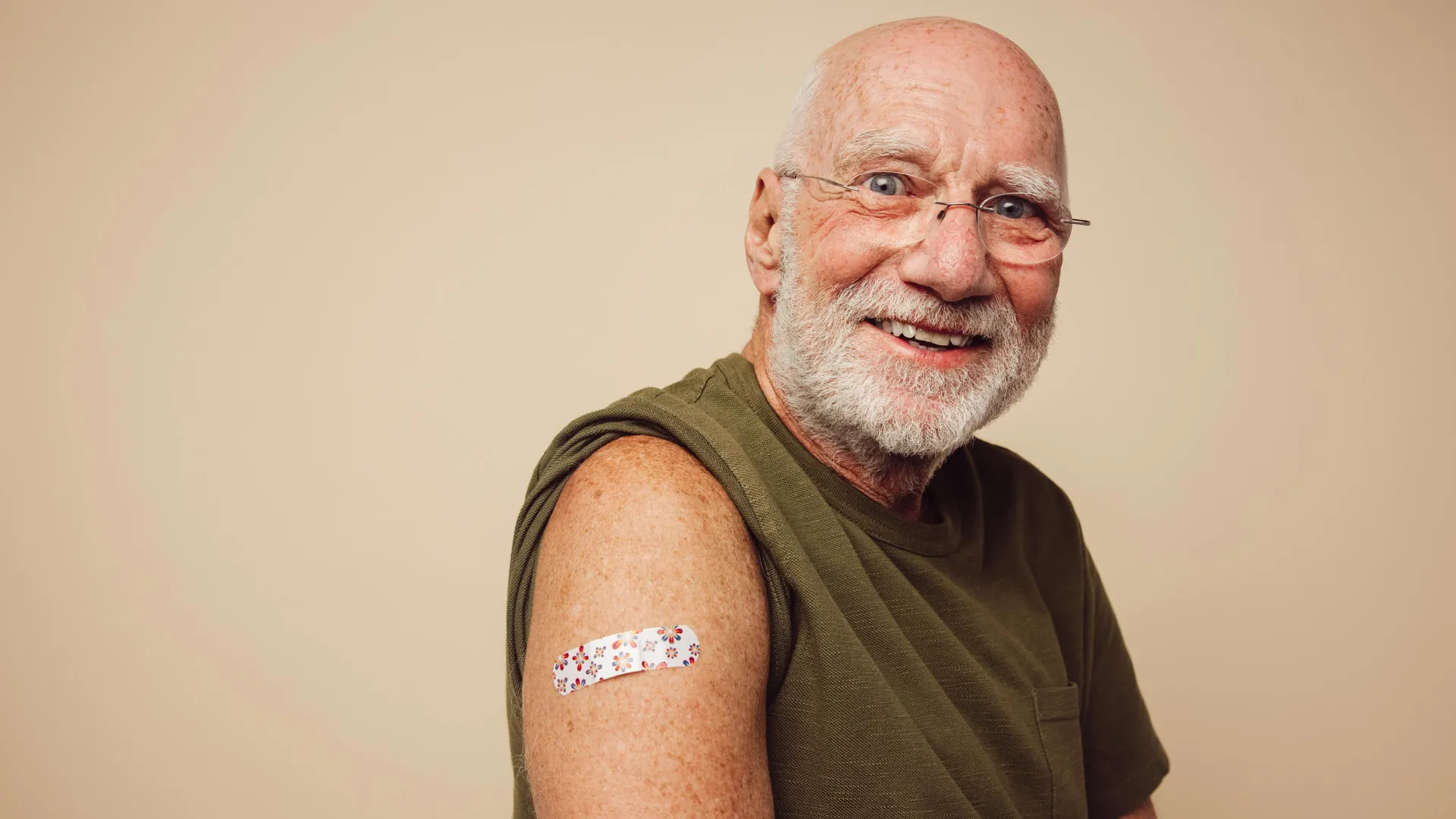
Shingles Vaccine Shows Promise in Reducing Dementia Risk: A Growing Body of Evidence
For years,the search for effective strategies to prevent and treat dementia has been a critical focus of medical research. Now, a compelling line of evidence suggests a surprising potential ally: the shingles vaccine. Emerging research, spearheaded by studies analyzing healthcare data from Wales and corroborated by findings in multiple other countries, indicates that vaccination against shingles may not only protect against the painful rash itself, but also significantly reduce the risk of developing dementia and slow its progression in those already diagnosed.
The Link Between Shingles and Cognitive Health: An Unexpected Discovery
Dementia, frequently enough preceded by a period of Mild cognitive Impairment (MCI) – characterized by memory and thinking difficulties that don’t yet impact daily living – remains a devastating condition with limited treatment options. the recent findings, though, offer a glimmer of hope. Researchers observed that individuals who received the live-attenuated shingles vaccine were demonstrably less likely to receive a diagnosis of MCI over a nine-year period compared to their unvaccinated counterparts.
But the impact appears even more profound for those already living with dementia. Analysis of Welsh health records revealed a striking difference in mortality rates: nearly half of seniors diagnosed with dementia at the start of the vaccination programme ultimately died from the disease. Though,among those with dementia who received the shingles vaccine,that figure dropped to approximately 30%,suggesting a potential slowing of disease progression and improved survival.
Why Might This Work? Unraveling the Biological Mechanisms
The precise mechanism behind this protective effect remains under investigation. Several hypotheses are being explored:
* Broad Immune System Stimulation: The shingles vaccine,a live-attenuated virus,triggers a robust immune response. This systemic boost may help combat the chronic inflammation increasingly recognized as a key contributor to neurodegenerative diseases like Alzheimer’s.
* Reduced Viral Reactivation: The varicella-zoster virus, which causes both chickenpox and shingles, remains dormant in the nervous system after the initial infection. Frequent reactivation of this virus, even without causing a visible rash, may contribute to neuroinflammation and cognitive decline. The vaccine could reduce these reactivations.
* Novel Pathways: Researchers are also open to the possibility that the vaccine impacts dementia risk through entirely unknown pathways, highlighting the complexity of the brain-immune system interaction.
Gender Differences: A Key Area of Investigation
Interestingly, the protective effect of the shingles vaccine appears to be significantly stronger in women than in men. This observation may be linked to inherent biological differences in immune responses – women generally mount higher antibody responses to vaccination – and variations in how dementia manifests and progresses in each sex.Shingles itself is also more prevalent in women, potentially amplifying the vaccine’s impact.
Beyond the Current Vaccine: Implications for Newer Formulations
While these findings are encouraging, it’s crucial to note they pertain to the older, live-attenuated shingles vaccine. A newer recombinant subunit vaccine, which utilizes specific viral proteins and boasts higher efficacy in preventing shingles, is now widely available. researchers are keen to determine whether this newer vaccine offers a similar, or even enhanced, protective effect against dementia.
The Path Forward: A Call for Rigorous Research and Investment
The consistent “protective signal” observed across multiple datasets – including those from England,Australia,New Zealand,and Canada – strengthens the case for further investigation. Dr. hans-Peter Geldsetzer, a leading researcher in this field, is advocating for a large-scale, randomized controlled trial.
“we need a pragmatic trial where participants are randomly assigned to receive either the shingles vaccine or a placebo,” explains Dr. Geldsetzer.”This will provide the most definitive evidence to confirm whether the vaccine truly causes the observed reduction in dementia risk.”
The relatively rapid divergence in dementia rates observed in the Wales data – with effects becoming apparent after just 18 months – suggests that such a trial could yield meaningful results relatively quickly. Dr. Geldsetzer is actively seeking philanthropic funding to support this crucial research, especially given that the live-attenuated vaccine is now off-patent, making large-scale trials more financially accessible.
Expert Perspective & Why this Matters
This research represents a potentially paradigm-shifting growth in dementia prevention and treatment. While not a cure, the possibility of leveraging an existing, safe, and widely available vaccine to mitigate dementia risk is incredibly promising. The growing body of evidence warrants serious attention from the medical community, policymakers, and individuals concerned about maintaining cognitive health as they age. Investing in further research, particularly a robust randomized controlled trial, is paramount to unlocking the full potential of this unexpected, yet potentially life-altering, discovery.
Sources & Funding:
This article is based on research led by Dr. Hans-Peter Geldsetzer and colleagues. The study received funding
Related reading
- NASA’s Nancy Grace Roman Space Telescope: Launch Prep and Asteroid Detection Mission
- NWT Cancer Report: Government Releases Technical Data on Territorial Cases
- NYU Langone Study Links Midlife Health Habits to Lower Dementia Risk (archyworldys.com)
- UCLA Biologist Launches OnlyFans for Marmots to Fund Wildlife Research (time.news)