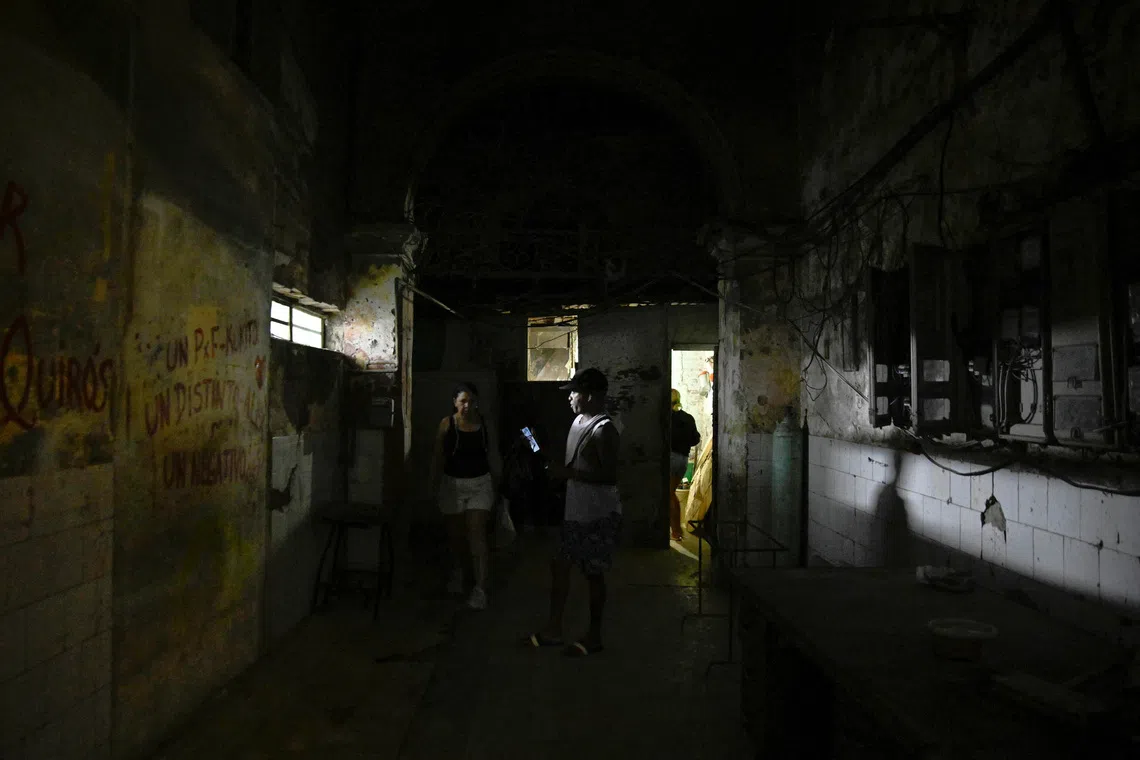
Cuba’s Energy Crisis: Understanding the Recent Grid Collapse and Prolonged Blackouts
Cuba is grappling with a severe energy crisis,recently highlighted by a widespread grid collapse on December 3rd,2024,plunging Havana and much of western Cuba into darkness. This incident isn’t isolated; it’s a symptom of deeply rooted systemic issues impacting the island’s ability to provide consistent power to its citizens and businesses. This article provides a comprehensive overview of the situation, examining the causes, consequences, and potential pathways forward.
What triggered the December 2024 power outage in Cuba?
The immediate cause of the December 3rd outage was the failure of a key transmission line connecting Havana to the Matanzas power plant, Cuba’s largest.This failure, occurring around 5:00 AM local time, cascaded through the system, leading to widespread blackouts across four western provinces – Pinar del Rio, Havana, Artemisa, and Mayabeque. While power was restored to the grid within hours, the incident underscores the fragility of Cuba’s electrical infrastructure. It’s crucial to understand this wasn’t a sudden, unexpected event, but rather a breakdown within a system already operating under immense strain.
How severe are the ongoing blackouts in Cuba, and who is affected?
The December collapse occurred against a backdrop of already crippling, daily blackouts. Prior to this event, many Cubans were experiencing power outages lasting 10-20 hours per day. Havana, previously somewhat shielded from the worst of the disruptions, now routinely faces 10+ hours without electricity. This impacts all facets of life: residential comfort, access to essential services like healthcare, and the operation of businesses.The widespread nature of the outages means virtually all Cubans are affected,from urban centers to rural communities. the disruption extends beyond simple inconvenience; it’s a humanitarian concern.
What are the primary factors contributing to Cuba’s energy crisis?
the crisis is multifaceted, stemming from a confluence of factors. A primary driver is the aging and dilapidated state of Cuba’s power plants, many of which are oil-fired and decades old. These plants require consistent fuel supplies to operate, and Cuba has faced notable challenges securing those supplies. specifically:
* Declining Fuel Imports: Imports of crucial oil from key allies like Venezuela,Russia,and mexico have dramatically decreased. data indicates a more then 33% drop in crude and fuel imports during the frist ten months of 2024 compared to the previous year.
* Economic Constraints & US sanctions: Years of economic hardship, exacerbated by U.S. sanctions,have severely limited Cuba’s ability to invest in infrastructure upgrades and secure necessary fuel purchases. The sanctions restrict access to international financial markets and trade, hindering modernization efforts.
* Infrastructure Deficiencies: Beyond the plants themselves, the transmission and distribution network is also in disrepair, prone to failures and unable to efficiently deliver power even when it’s generated.
* Natural Disasters: Hurricane Melissa in 2023 caused further damage to the already vulnerable grid, compounding existing problems.
How has the Cuban government responded to the energy crisis?
The Cuban government acknowledges the severity of the situation and has implemented various measures, largely focused on managing demand rather than rapidly increasing supply. These include:
* Rationing & Load Shedding: A formalized system of planned blackouts is in place, rotating outages across different regions to distribute the burden. However, these schedules are often unpredictable and subject to change.
* Focus on Renewable Energy (Limited Impact): There’s been some investment in renewable energy sources like solar and wind,but these currently represent a small fraction of Cuba’s overall energy mix and haven’t yet substantially alleviated the crisis.
* Appeals for International Assistance: The government has sought assistance from international partners, but securing considerable aid has proven difficult.
* Emergency Repairs: Efforts are ongoing to repair existing infrastructure, but the scale of the problem and lack of resources limit the effectiveness of these efforts.
What is the long-term outlook for Cuba’s energy sector?
The long-term outlook remains challenging. Addressing the crisis requires substantial investment in infrastructure modernization, diversification of energy sources, and a stable supply of fuel. Without significant external assistance and internal economic reforms, the current cycle of blackouts is likely to continue. Key areas for improvement include:
* Infrastructure Investment: Modernizing power plants and upgrading the transmission grid are paramount.
* Diversification of Energy Sources: Reducing