Unlocking the Potential of Turkish Olive Oil: A Journey of Flavor, Health, and Sustainability
For centuries, the olive tree has thrived in the fertile lands of Türkiye, offering a bounty of flavor and health benefits. however, despite a rich history and increasingly impressive quality, Turkish olive oil often remains overshadowed by its Italian and Spanish counterparts. That’s changing, thanks to a dedicated group of producers focused on innovation, quality, and a deep respect for the land.
Let’s explore the exciting developments happening within the Turkish olive oil industry, and what makes these oils a truly exceptional choice for your kitchen and your well-being.
A Rising Star on the Global Stage
Türkiye boasts around 100 commercially grown olive varieties, with countless more thriving locally. Producers are now actively showcasing this astonishing biodiversity, listing the specific varieties used on their bottles – a move designed to educate consumers and celebrate the unique characteristics of each oil.
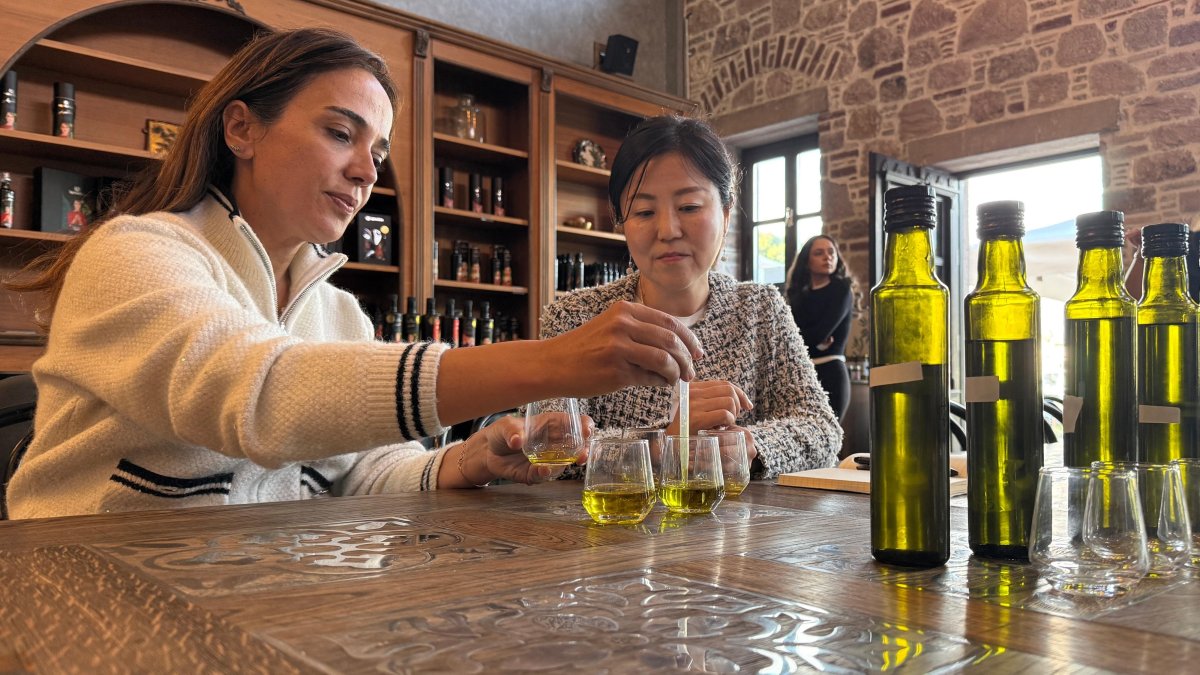
This commitment to transparency and quality is gaining recognition. International olive oil competitions, like the New York International Olive Oil Competition, have become key platforms for showcasing Turkish excellence. One producer recently connected with renowned Japanese chef Hiromi Nakamura at one of these events five years ago. She was so impressed that she’s incorporated their oils into her cooking classes ever since.
Chef-Driven Blends and a focus on Taste
Recognizing the power of collaboration, producers are partnering with culinary experts to create oils tailored to specific palates. Last year, a new line called ChefBlend was launched, featuring a blend crafted by Chef Nakamura herself, designed to complement Japanese cuisine.
This focus on taste profiles is crucial. While promoting Turkish olive oil globally is essential, it’s equally important to demonstrate its versatility and appeal to diverse culinary traditions. With continued branding efforts, Turkish oils are poised to achieve even greater recognition.
Beyond Flavor: The Health Benefits of Polyphenols
You may already know that olive oil is a cornerstone of the Mediterranean diet, celebrated for its health benefits. But did you know that the level of polyphenols – powerful antioxidants – can vary considerably?
Turkish producers are prioritizing polyphenol content,and the results are remarkable. One producer recently achieved a record-breaking 1,054 mg of polyphenols per 100g of oil, a testament to their dedication to quality and sustainable practices. These high levels contribute to the oil’s exceptional health properties.
A Commitment to Sustainable Practices
producing exceptional olive oil isn’t just about the olives themselves; it’s about nurturing the entire ecosystem. Olive trees provide habitat for birds, worms, and surrounding flora, creating a natural cycle of propagation.
Here’s what sustainable olive oil production looks like:
* Protecting the ecosystem: recognizing that olive trees are integral to a larger web of life.
* Natural propagation: Understanding that birds dispersing seeds are vital for new growth.
* Avoiding harmful chemicals: Prioritizing clean, pesticide-free agriculture.
* Working in harmony with nature: Embracing a holistic approach to cultivation.
It’s a philosophy that ensures the long-term health of the land and the continued production of exceptional olive oil.
What This Means for You
When you choose Turkish olive oil, you’re not just selecting a delicious ingredient.you’re supporting:
* A rich culinary heritage.
* Innovative producers dedicated to quality.
* Sustainable farming practices.
* A healthier lifestyle.
Explore the diverse range of turkish olive oils available, and discover a world of flavor and well-being. you’ll be amazed by the depth, complexity, and health benefits these exceptional oils have to offer.
Keep reading