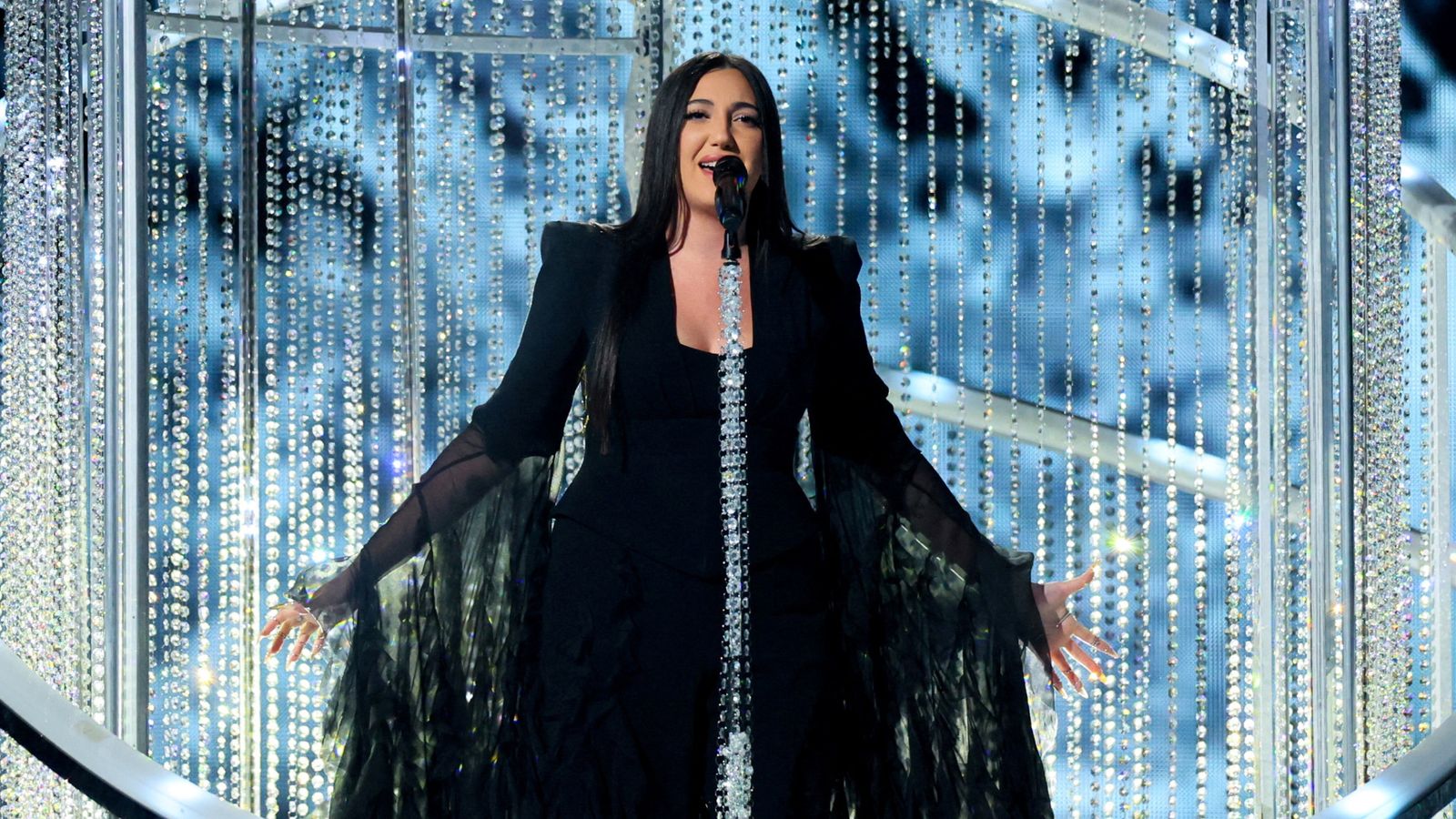
Eurovision 2025 Faces Mounting Boycott Calls Over Israeli Participation
The 2025 Eurovision Song Contest is rapidly becoming embroiled in controversy as several European broadcasters publicly signal their potential withdrawal if Israel is permitted to compete.This escalating situation throws the future of the beloved music competition into uncertainty and raises critical questions about the intersection of entertainment, politics, and public service broadcasting.
Why the Uproar?
The core of the dispute stems from Israel’s ongoing military actions in Gaza. Broadcasters, obligated to uphold public values, are facing intense pressure from within their organizations and the public to take a stand. Here’s a breakdown of the current situation:
* Spain’s RTVE: Has confirmed it will withdraw if Israel participates,a decision made by its board of directors in September.
* Slovenia’s RTV: Echoed this stance, stating it will not participate if Israel is included, despite recent rule changes by the European Broadcasting Union (EBU). They emphasize a commitment to ethical principles and equal standards for all members.
* Other Potential Withdrawals: Further broadcasters are reportedly considering similar action, amplifying the pressure on the EBU.
The EBU’s Response & Rule Changes
The European Broadcasting Union (EBU), the organization behind eurovision, recently announced rule changes intended to depoliticize the contest. These changes followed a contentious 2024 competition where Israeli singer Yuval Raphael won the public vote but ultimately finished second overall due to jury scores.
However, these adjustments haven’t appeased critics. Broadcasters like Slovenia’s RTV argue the changes don’t address the fundamental ethical concerns surrounding Israel’s participation given the ongoing conflict.
The Importance of the “Big Five”
This situation is notably important because Spain is one of the “Big Five” - the UK, Germany, France, Italy, and Spain – who automatically qualify for the Grand Final and contribute considerable funding to the event. The host nation (Austria, following their 2024 win) also provides significant financial support. Withdrawal of even one of these key broadcasters could create a substantial financial and logistical challenge for the EBU.
Differing Perspectives & The Role of Public Service Broadcasting
The debate highlights a fundamental tension within public service broadcasting.
* austria’s ORF Director-General Roland Weissman argues Eurovision is a competition for broadcasters, not governments, and advocates for maintaining cultural dialog by including Israel. He believes boycotts “burn bridges.”
* Critics contend that remaining silent or allowing participation equates to tacit approval of actions they deem unacceptable. They believe public service broadcasters have a moral obligation to reflect the values of their audiences.
The BBC’s Position
The BBC, another key ”Big Five” broadcaster, has yet to issue a formal statement on the latest developments. However, previous comments from outgoing Director-General Tim davie suggest a desire to maintain a neutral stance, emphasizing that Eurovision has “never been about politics.” The BBC is currently engaged in discussions with the EBU and other broadcasters.
what’s Next?
The coming weeks will be crucial. The EBU faces a difficult balancing act: upholding its principles of universality and non-political engagement while addressing the legitimate concerns of its members.
The potential for widespread boycotts threatens to significantly diminish the scale and prestige of Eurovision 2025. This situation underscores the growing expectation that major cultural events must grapple with complex geopolitical realities and demonstrate a commitment to ethical considerations.
Stay Updated:
This is a developing story. For the latest updates, follow Sky News:
* Download the Sky News app: https://news.sky.com/download-app
* Follow Sky News on WhatsApp: https://www.whatsapp.com/channel/0029Va868Fv8vd1UsF99tP1u
* Subscribe to sky news on YouTube: https://www.youtube.com/skynews
Disclaimer: *This article provides an objective overview of the current situation based on publicly available information as of November 29, 2023. The situation is fluid and subject to change