The Turkey Bowl: A D.C. Tradition Forged in Resilience and Community
For over half a century, the annual Turkey Bowl has been more than just a high school football game in Washington, D.C. It’s a powerful symbol of unity, a testament to the city’s ability to heal, and a beloved Thanksgiving tradition. This year, Coolidge High School’s Colts clinched their first championship since 1986, reigniting pride and echoing a history deeply woven into the fabric of the city.
But the recent victory is just one chapter in a story that began amidst a period of intense social upheaval. To truly understand the Turkey Bowl, you need to look back to its origins.
From Riot to Revival: The Turkey Bowl’s genesis
the story begins not with triumph, but with unrest. In 1962, a game between St. John’s High and Eastern High at RFK Stadium descended into a riot, effectively ending high school football at the stadium. This event cast a long shadow over the city.
Then came 1968 – a year marked by national tragedy and local turmoil. The assassinations of Martin Luther King Jr.and Robert F. Kennedy, coupled with the escalating Vietnam War, left Washington, D.C., reeling. Local leaders recognized the urgent need to rebuild community bonds.
Their solution? Bring high school football back to RFK Stadium.
1969: A Bold Experiment in Unity
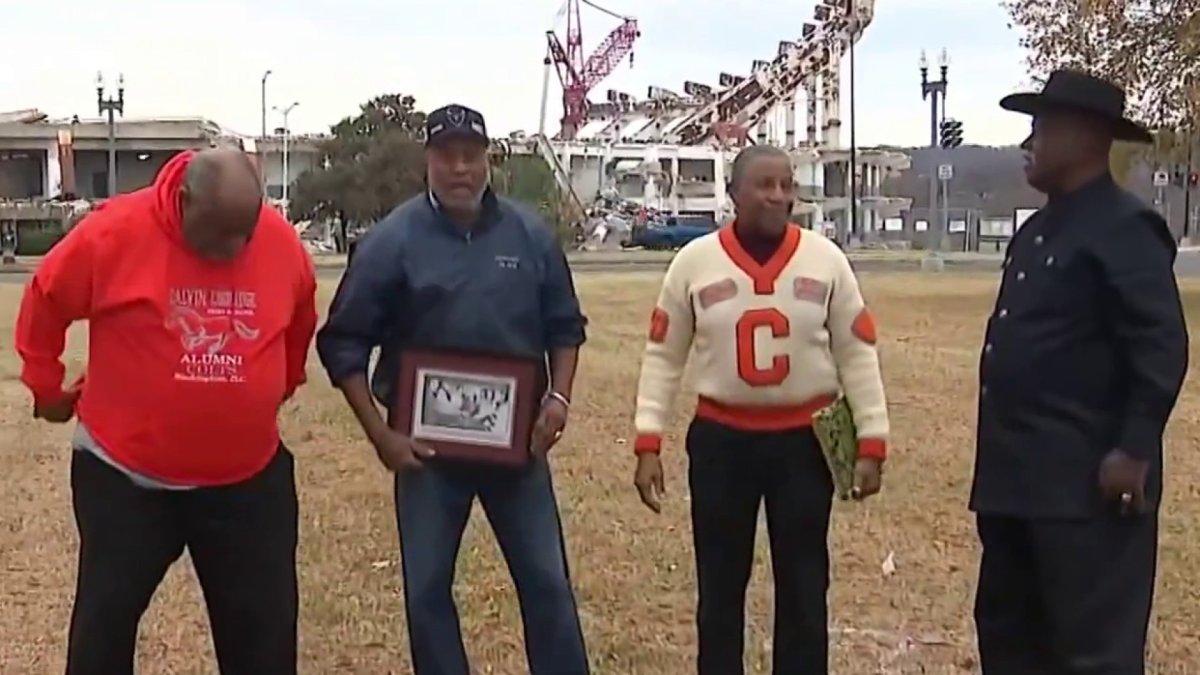
In 1969,Coolidge High and McKinley Tech faced off in a Turkey Bowl game intended to be a turning point. Over 9,000 fans gathered, hopeful that this event could offer a path toward healing. Rev. Dr. Robert Screen,a Coolidge High alumnus,explains the intent: “They were trying to bring the city back together and they were going to do it through the youth.”
The game itself – a 20-2 victory for Coolidge – was significant, but the atmosphere surrounding it was even more so. News reports highlighted the “orderly crowd,” framing the event as a “boost” for the city.
As McKinley Tech alumnus Hayward Corley reflects, “Sadly, one team had to lose and one team had to win. I’m outnumbered today and I was outnumbered then.” Despite the rivalry,the game represented something larger than the score.
Playing on Hallowed Ground
For the players, stepping onto the field at RFK Stadium was a momentous experience. Carlos hamlin, another Coolidge High alumnus, remembers the awe: “That was hallowed ground. We were playing in RFK Stadium. I’d never experienced anything like that.”
The game wasn’t just about football; it was about demonstrating that young people could come together peacefully and respectfully. It was a calculated risk, as Screen notes, “They were taking a big chance and seeing if they could get the young people to do it again, but do it civilly.”
And it worked.
A Legacy Continues
Fifty-six years later, the Turkey Bowl remains a vibrant tradition. Alumni like lawrence “Larry” Berry emphasize its enduring importance: “I think it’s very, very vital and a valid event for the community, but we have to do more to inspire young people to participate in sports, to stay in school and to reach as far as they can go in life.”
The Washington Commanders recognize the Turkey Bowl’s significance,too. They’ve expressed interest in hosting the game at the new stadium planned for the RFK Stadium site, ensuring the tradition continues for generations to come.
The Turkey Bowl isn’t just a game; it’s a living piece of D.C. history – a story of resilience, community, and the power of sports to unite us all. It’s a reminder that even in the face of adversity, hope can be found on the football field.
- Chipotle Removes Jalapeños Amid Outbreak Concerns Despite No Official Link
- US Treasury and Japan’s Yen Intervention: Impact on the Korean Won and Asian Currencies
- Speed Drawing Brings Legendary Argentina and Spain Football Stars to Life (world-today-news.com)
- Why Championship Boxing Fights Are 12 Rounds, Not 15 (daybreakwire.com)