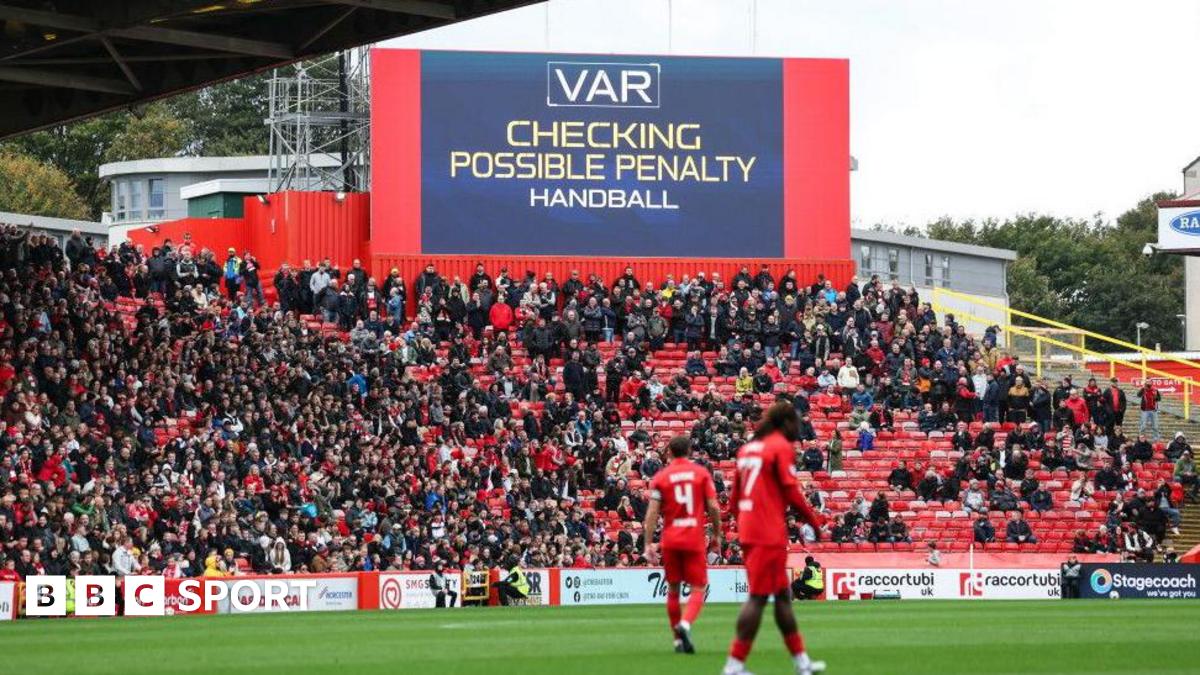
The Scottish Premiership‘s VAR Crisis: Is video Technology Failing Fans and the game?
The introduction of Video Assistant Referee (VAR) to the Scottish Premiership was intended to usher in an era of greater accuracy and fairness. Yet, nearly four years later, a growing chorus of criticism suggests the system is falling short of its promise, frustrating fans, managers, and even raising questions about its long-term viability. This article delves into the current state of VAR in Scotland, examining the concerns, potential solutions, and what the future might hold for this controversial technology.
The Core of the Problem: Inconsistency and Delay
The initial pitch from the Scottish FA centered around two key benefits: increased accuracy in decisions and a “light-touch” approach minimizing disruption. While the SFA claims an increase in correct calls – statistics that remain unaudited – the lived experience for many Premiership supporters tells a different story.
You’ve likely experienced it yourself: the agonizing wait as a goal is reviewed, the dampened celebrations, and the lingering feeling that decisions remain subjective despite the technology. This isn’t about eliminating errors entirely; it’s about whether VAR is improving the game, or simply changing the nature of the frustration.
Here’s a breakdown of the key issues:
* Inconsistent Application: Managers like David Martindale of Livingston and Stephen Robinson of St Mirren have publicly voiced their concerns, with Robinson recently labeling VAR as “not fit for purpose.” This highlights a basic problem: decisions aren’t being applied consistently,leading to confusion and a sense of injustice.
* Excessive Delays: Lengthy VAR checks disrupt the flow of the game, killing momentum and diminishing the excitement for fans in the stadium and watching at home.
* Lack of Transparency: The absence of clear dialogue within stadiums about what is being reviewed adds to the frustration. Fans are left in the dark,unsure why a decision is being scrutinized.
* Erosion of festivity: The fear of a goal being disallowed casts a shadow over every triumphant strike, robbing fans of the unbridled joy of scoring.
The 60-Second rule: A Potential Solution?
Aberdeen chairman Dave Cormack has proposed a potential remedy: a strict 60-second limit for VAR reviews. His argument is simple – if a clear and obvious error isn’t apparent within a minute, the on-field decision should stand.
“If they can’t make a decision within 60 seconds, the on-field decision should be upheld,” Cormack stated. This approach aims to address the issue of excessive delays and restore some of the natural flow to the game.
However, Cormack also acknowledges a more serious concern. If the inconsistency persists, he suggests a temporary suspension of VAR altogether. “However, if the inconsistency of decision-making continues, we should suspend it indefinitely until such times as it can be consistently relied upon.” This is a stark warning, indicating a growing loss of faith in the system.
The financial Burden and Fan Engagement
Beyond the on-field frustrations, the financial cost of VAR is also under scrutiny. Premiership clubs are footing a important bill for the technology, and many question whether the benefits justify the expense.
Consider this: even if accuracy has marginally improved, is it enough to offset the negative impact on fan engagement? The fact that VAR decisions dominate post-match discussions speaks volumes. It’s a distraction from the actual football, and it’s actively harming the fan experience.
What Needs to Change: A Path Forward
Addressing the VAR crisis requires a multi-faceted approach. Here are some crucial steps the Scottish FA must take:
- Enhanced Referee Training: Investing in extensive training for referees and VAR officials is paramount. Consistency can only be achieved through a shared understanding of the rules and their application.
- Increased Transparency: Provide clear and concise explanations for VAR decisions, both within the stadium and to the viewing public. This could involve displaying replays on stadium screens and offering post-match analysis.
- Strict Adherence to the “Clear and Obvious Error” Standard: VAR should only intervene when ther is a demonstrable, undeniable error made by the on-field referee. Subjective interpretations should remain with the officials on the pitch.
- Regular Performance Reviews: Conduct regular reviews of VAR performance, analyzing data and gathering feedback from managers, players, and fans.
Related reading