The Hegseth Controversy: Examining the DoD Inspector General Report & National Security Implications
The recent report from the acting inspector general of the Department of Defense (DoD) alleging potential risks to U.S.troops and national security stemming from Secretary Pete HegsethS use of the Signal messaging app has ignited a firestorm of debate. This article delves into the details of the report, the responses from Secretary Hegseth and his team, and the broader implications for government dialog protocols and national security. We’ll explore the controversy surrounding secure communication, potential breaches of protocol, and the critical need for oversight and accountability within the DoD.
Understanding the Inspector General’s Findings
The core of the controversy lies in messages sent by Secretary Hegseth via Signal concerning potential military strikes in Yemen.The Inspector General’s report suggests these communications bypassed established DoD channels, raising concerns about maintaining operational security (OPSEC) and possibly exposing sensitive information. Specifically, the report highlights the lack of recording and archiving of these conversations, hindering potential investigations or audits.
The report doesn’t explicitly accuse secretary Hegseth of malicious intent, but rather focuses on the procedural risks associated with using unapproved communication methods for discussing classified or sensitive matters. This is a crucial distinction. The issue isn’t necessarily what was said, but how it was communicated.
The Defense Secretary’s Response & Counterarguments
Secretary Hegseth and his spokesperson, Sean Parnell, have vehemently denied the Inspector General’s findings, labeling the review a “TOTAL exoneration.” Parnell’s statement on X (formerly Twitter) reflects this strong defense. Tho, this claim has been met with skepticism from prominent journalists and analysts.
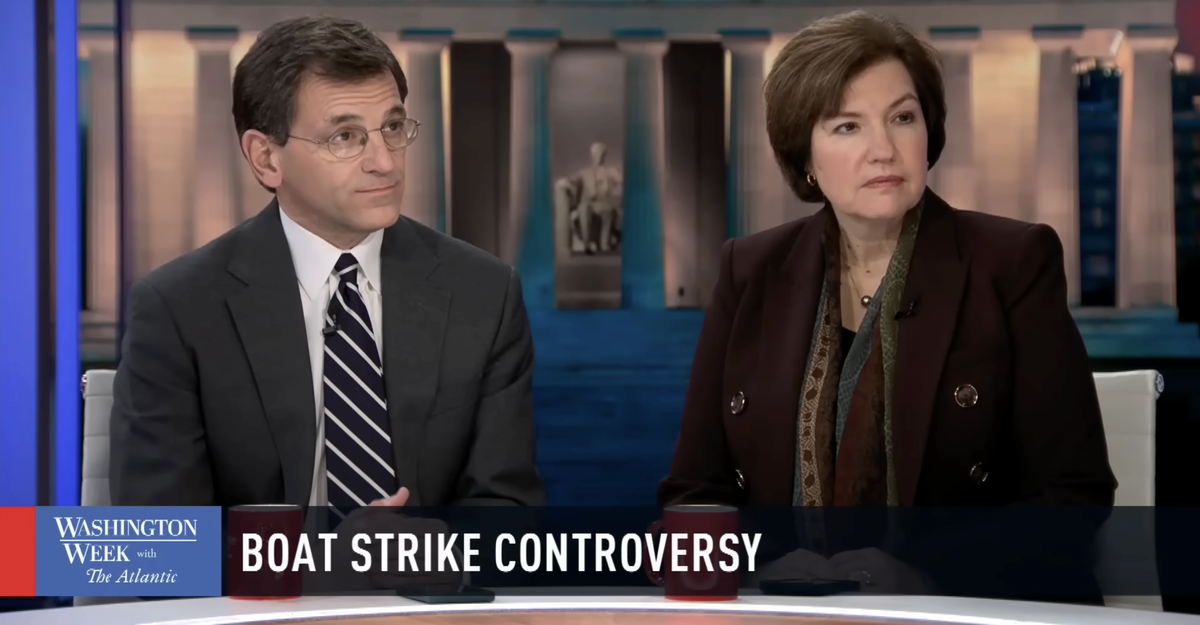
Susan Glasser of The New Yorker pointedly questioned the disconnect between the official response and the report’s implications,stating,”The official leadership of the Department of Defense is at war with reality.” This highlights a central tension: the DoD’s insistence on a clean bill of health versus the Inspector General’s documented concerns. The core of the disagreement appears to be a differing interpretation of the severity of the procedural breaches. Was it a minor oversight, or a notable risk to national security?
Secure Communication: A Balancing Act
the Hegseth controversy underscores the complex challenges of secure communication in the modern era. While encrypted messaging apps like Signal offer privacy, they also present unique challenges for government agencies.
Here’s a speedy comparison:
| Feature | Government-Approved Systems | Encrypted messaging Apps (e.g., Signal) |
|---|---|---|
| Logging & Archiving | Comprehensive | Limited or none |
| Oversight & Monitoring | Extensive | Minimal |
| Security Certifications | Rigorous | Variable |
| Ease of use | Can be complex | Generally user-friendly |
The DoD relies on systems designed for robust security and accountability, even if they are less convenient. The use of unapproved apps circumvents these safeguards. Though, the desire for quick, direct communication – especially in fast-moving situations – can tempt officials to bypass established protocols. This creates a vulnerability.
Secondary Keywords: DoD communication protocols, secure messaging apps, operational security (OPSEC), government clarity, classified information handling.
The Role of Oversight & Accountability
the central question raised by Glasser – “Where is the oversight and accountability?” – is paramount. The Inspector General’s report serves as a reminder that even high