The Christchurch Test Draw: A Deep Dive into West Indies’ Historic resilience
The recent Test match between New Zealand and West Indies in Christchurch wasn’t just a draw; it was a testament to grit, determination, and a historic batting performance. Justin Greaves‘ monumental 202 not out anchored a remarkable West Indies effort, securing a draw against all odds and etching their name into the record books with the second-highest fourth-innings total in Test history. This article delves into the intricacies of this captivating match, analyzing the key moments, strategic decisions, and the broader implications for both teams, focusing on the Test cricket landscape and the evolving art of batting resilience.
The Context: A Mountain to Climb
West Indies entered the series opener at Hagley Oval facing a formidable challenge. After being bowled out for a paltry 167 in their first innings, they conceded a meaningful first-innings lead to New Zealand’s imposing 466/8 declared. This set up a daunting target of 531 - a chase 113 runs greater than any successful fourth-innings pursuit in Test history. The odds were stacked against the Caribbean side, and many predicted a swift New Zealand victory. However, what unfolded over the next two days defied expectations, showcasing a level of mental fortitude rarely seen in modern international cricket.
Justin Greaves’ Herculean effort: A Masterclass in Test Batting
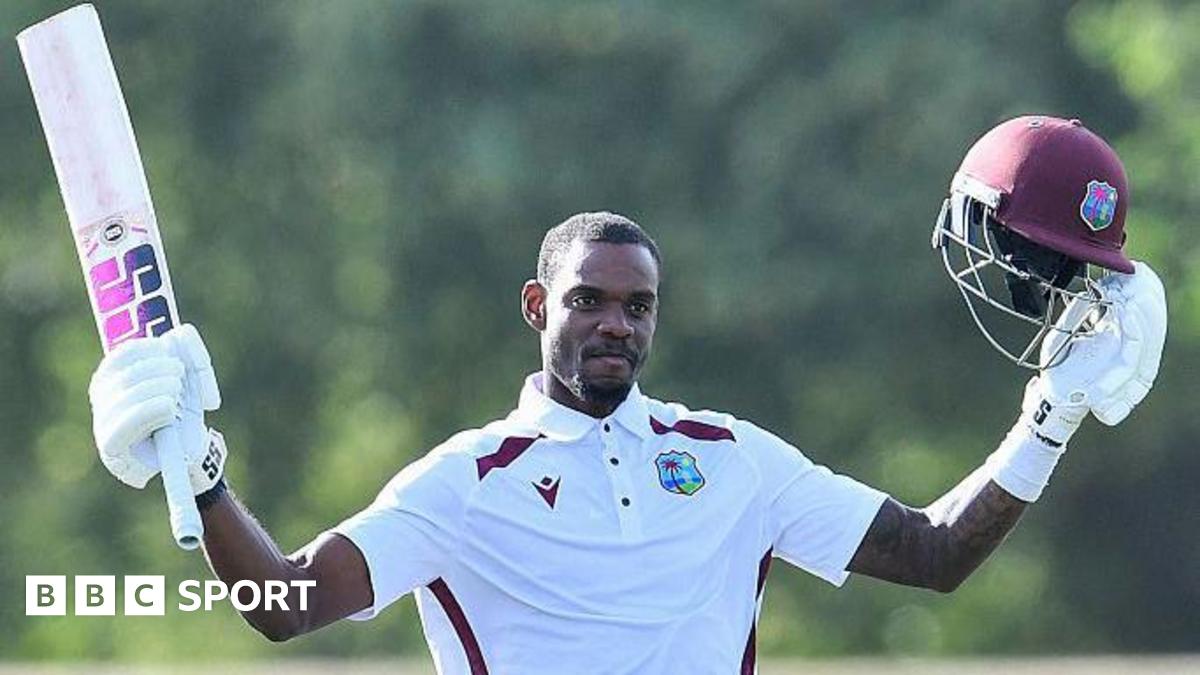
At the heart of West Indies’ resilience was Justin Greaves’ career-defining innings. Facing 388 balls and spending an astonishing 564 minutes at the crease, Greaves crafted a masterful 202 not out. This wasn’t simply about accumulating runs; it was about absorbing pressure, weathering relentless attacks, and building a partnership that defied New zealand’s attempts to break through.
His innings wasn’t flamboyant; it was a study in concentration and technique. He expertly utilized his feet against the spinners, played late to the seamers, and demonstrated a remarkable ability to leave deliveries outside off stump. The innings wasn’t without its challenges – he faced periods of intense pressure and survived several close calls – but his unwavering focus and determination were truly inspiring. This performance elevates Greaves from a promising talent to a genuine test match mainstay. Analyzing his batting data – strike rate, boundary percentage, and average against different bowling types – will be crucial for West Indies’ future strategies.
The Roach-Greaves Partnership: A Defining Stand
While Greaves’ individual brilliance was pivotal, the 180-run seventh-wicket partnership with Kemar Roach was equally crucial. Roach,a seasoned campaigner known for his bowling prowess,showcased his all-round capabilities with a career-best 58. This partnership wasn’t just about adding runs; it was about shifting the momentum and frustrating the New Zealand attack.
Roach’s contribution was especially significant. His ability to defend resolutely and occasionally counter-attack relieved the pressure on Greaves and allowed him to continue building his innings.The partnership demonstrated a clear understanding between the two batsmen, a willingness to run hard between the wickets, and a shared commitment to fighting for every run. This exemplifies the importance of lower-order contributions in Test cricket, often underestimated but frequently game-changing.
Strategic Considerations and New Zealand’s Perspective
New Zealand captain Tom Latham’s decision to declare at 466/8 was a calculated risk. He aimed to give his bowlers ample time to dismiss West Indies, but underestimated the resilience of the opposition. The New Zealand attack, featuring experienced campaigners like Tim Southee and Neil Wagner, bowled with intensity and accuracy, but struggled to find consistent breakthroughs.
Related reading