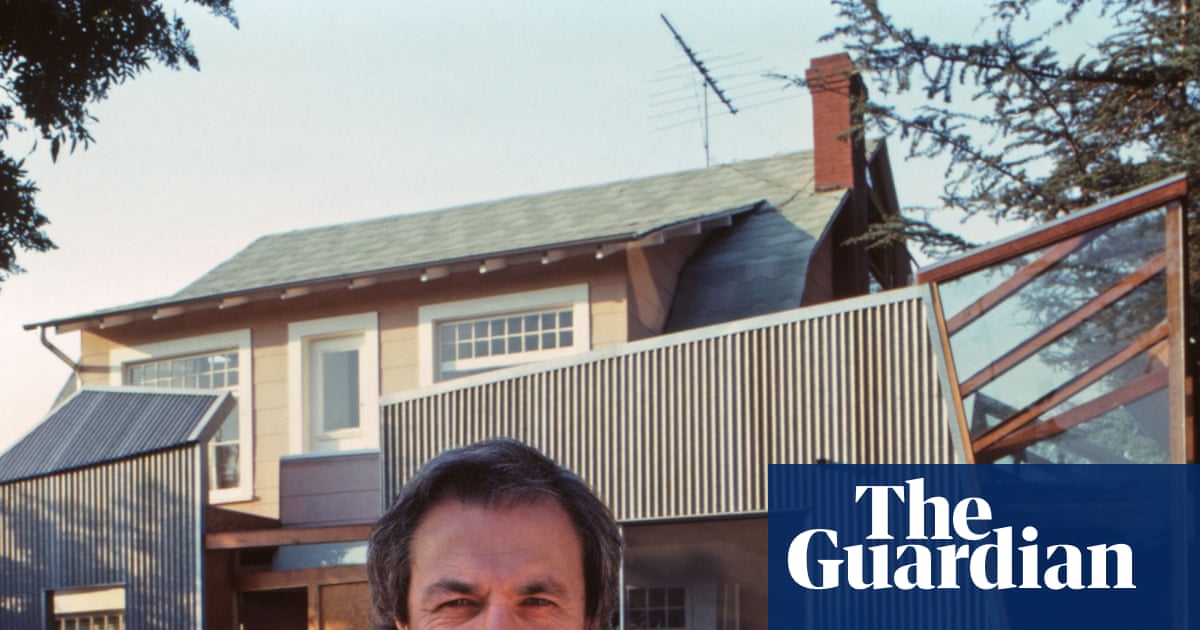
Frank Gehry: A Legacy of Defiance and Architectural Innovation
Frank Gehry, the globally celebrated architect, has passed away at the age of 95, leaving behind a transformative impact on the built habitat. His career, spanning six decades, was marked by a relentless pursuit of innovation and a willingness to challenge conventional architectural norms. You likely recognize his work even if you don’t know his name – buildings that seem to defy gravity and embrace sculptural form.
Gehry wasn’t simply designing buildings; he was crafting experiences. He redefined what architecture could be, moving beyond rigid structures to embrace fluidity, dynamism, and a playful interaction with light and space.
Early Influences and a Defining Shift
Initially trained as a professional accountant, Gehry discovered his passion for architecture later in life. This unconventional path perhaps contributed to his willingness to break the mold.He began his career in Los Angeles, initially working in a more conventional style.
However, a pivotal moment arrived in the late 1970s and early 80s.Gehry began experimenting with deconstructivism,a movement that rejected the harmony and order of traditional architecture. This led to a series of groundbreaking designs that established his signature aesthetic.
Key Projects and Lasting Contributions
Throughout his illustrious career, Gehry delivered iconic structures across the globe. Here are a few highlights:
* Guggenheim Museum Bilbao (Spain): Perhaps his most famous work, this titanium-clad masterpiece revitalized a struggling industrial city and became a symbol of architectural possibility.
* Walt Disney Concert Hall (Los Angeles): A stunning addition to the city’s cultural landscape,celebrated for its acoustics and dramatic stainless steel exterior.
* Maggie’s Center, Dundee (Scotland): A surprisingly understated and deeply humane design, modeled after a traditional Scottish cottage, offering a comforting space for cancer patients.
* Louis Vuitton Foundation (Paris): A breathtaking complex of glass sails, showcasing contemporary art in a truly unique setting.
He wasn’t afraid to tackle diverse projects, from concert halls and museums to residential developments. Even his later work, like the housing around Battersea Power Station, demonstrated a cleverness, though some felt it leaned towards a more formulaic approach.
A Maverick Spirit and Uncompromising Vision
Gehry was known for his strong personality and unwavering commitment to his artistic vision.He wasn’t one to shy away from controversy. Actually, he actively engaged with criticism, sometimes in rather colorful ways.
For example, at a press conference in Spain, when accused of creating “spectacle architecture,” he famously responded with a gesture that spoke volumes. While he later apologized, the incident underscored his passionate defense of his work and his disdain for what he considered superficial design.
He famously declared that the vast majority of contemporary architecture was “pure crap,” lacking design sense and respect for humanity. This blunt assessment reflected his high standards and his belief in the power of architecture to enrich lives.
A Legacy That Continues to Inspire
Frank Gehry’s influence on architecture is undeniable. He inspired generations of architects to push boundaries, embrace experimentation, and prioritize artistic expression. His buildings aren’t just structures; they are works of art that challenge our perceptions and invite us to experiance space in new ways.
He leaves behind a legacy of innovation, defiance, and a profound belief in the transformative power of design. His work will continue to inspire and captivate for years to come, reminding us that architecture can be both gorgeous and meaningful.
Keep reading