US-EU tensions Rise Over X Fine, Sparking Censorship Debate
A significant rift is widening between the United States and the European Union following a substantial fine levied against X, formerly known as Twitter. This dispute centers on allegations of data privacy violations and insufficient content moderation practices on the platform. The escalating rhetoric reveals deeper concerns about digital sovereignty and the boundaries of online regulation.
The EU’s Decision and the Core Concerns
European regulators imposed a hefty fine on X, citing failures to comply with the Digital Services Act (DSA). Specifically, the EU alleges that X misled users regarding its content moderation policies, obscured information about advertising, and restricted access for researchers studying online disinformation. These actions, according to the European Commission, undermine clarity and user trust.
I’ve found that the core of the EU’s argument rests on the principle of user empowerment. They believe individuals deserve clear information about how platforms operate and the ability to understand why certain content is displayed or removed.
US Response: A Strong Condemnation
The response from US officials has been swift and forceful. Several prominent figures have characterized the EU’s decision as an overreach and an attack on American innovation.
* US Secretary of State Marco Rubio labeled the ruling “an attack on all American tech platforms and the american people.”
* Vice President J.D. Vance suggested the EU targeted X specifically for resisting censorship demands.
* US Ambassador to the EU Andrew Puzder affirmed Washington’s opposition to censorship and vowed to challenge regulations impacting US companies abroad.
This strong condemnation highlights a growing concern within the US government about the potential for foreign governments to dictate content moderation policies for American-based platforms.
musk’s Perspective and the Bureaucracy Critique
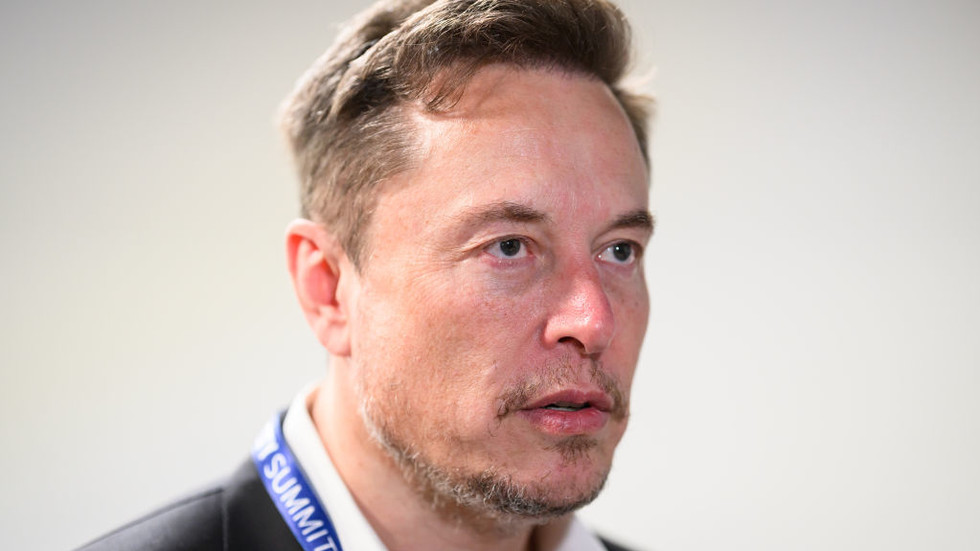
Elon Musk, owner of X, has long been critical of European regulations. He previously described the EU as a “giant cathedral to bureaucracy,” arguing that excessive regulation stifles innovation. This perspective fuels the narrative that the fine is politically motivated and designed to hinder X’s operations.
A Heated Exchange and Accusations of Hypocrisy
The situation took a notably sharp turn when Polish Foreign Minister Radoslaw sikorski responded to Musk’s criticisms with a pointed remark. He suggested Musk “go to mars,” referencing accusations that Musk performed a Nazi salute during a festivity of Donald Trump’s inauguration. This exchange underscores the deeply personal and emotionally charged nature of the debate.
What Does This Mean for you?
This dispute has significant implications for anyone who uses social media. It raises fundamental questions about:
* Data privacy: How much control should you have over your personal information online?
* Content moderation: Who should decide what content is acceptable on social media platforms?
* Digital sovereignty: Should governments have the right to regulate platforms operating within their borders,even if those platforms are based elsewhere?
These are complex issues with no easy answers. Though, it’s clear that the debate over online regulation is far from over.
Looking Ahead
The US-EU clash over the X fine is highly likely to escalate.Expect further legal challenges, diplomatic negotiations, and public debate. Ultimately, the outcome will shape the future of digital governance and the balance between innovation, regulation, and individual rights. I believe that finding a common ground that respects both principles will be crucial for fostering a healthy and open internet.