Hong Kong Navigates Fire recovery & Highly Controlled Elections: A Complex Landscape
Hong Kong is currently grappling with a dual challenge: the aftermath of a devastating high-rise fire and the unfolding of legislative elections under a significantly altered political system. These events, occurring together, highlight the evolving dynamics within the region and raise critical questions about governance, transparency, and civic participation. Let’s break down the key developments and what they mean for you.
The Devastating Tai Po Fire: Relief, Investigation & Concerns
A recent fire ripped through seven apartment blocks undergoing renovations in Tai Po, leaving a trail of destruction and displacement. The Hong Kong government has pledged extensive relief and rebuilding efforts, acknowledging the urgent need to support affected residents.
Though, the response hasn’t been without scrutiny. A judge-led “independent committee” has been established to investigate the cause of the fire, but many residents are prioritizing immediate needs.
* Resettlement is Key: Jacky Lam, a local teacher, emphasizes that proper resettlement shoudl be the government’s top priority. Residents need concrete solutions,not just investigations.
* Demand for Resident Input: There’s a growing call for lawmakers to actively engage with residents, regularly soliciting their feedback and addressing their concerns. This direct communication is vital for effective recovery.
Beyond the immediate disaster relief, authorities are also addressing related criminal activity. Fifteen individuals connected to construction companies have been arrested as part of the fire investigation. Moreover, police are cracking down on attempts to exploit the tragedy, with at least three arrests made for sedition. Most notably,a 71-year-old man was arrested for both sedition and “prejudicing a national security investigation” – a first in Hong Kong.
Legislative Elections Under New Rules: A Shift in Power
Sunday’s legislative elections took place under a dramatically reshaped electoral system imposed by Beijing in 2021. this overhaul aimed to ensure only “patriots” could hold office, significantly reducing the number of directly elected seats.
This has fundamentally altered the political landscape.
* Diminished Pro-Democracy Voice: The pro-democracy camp, once a powerful force winning around 60% of the popular vote, has been largely sidelined. Key parties like the Civic Party have disbanded, and the Democratic Party is winding down.Many pro-democracy lawmakers are either jailed, in exile, or have resigned.
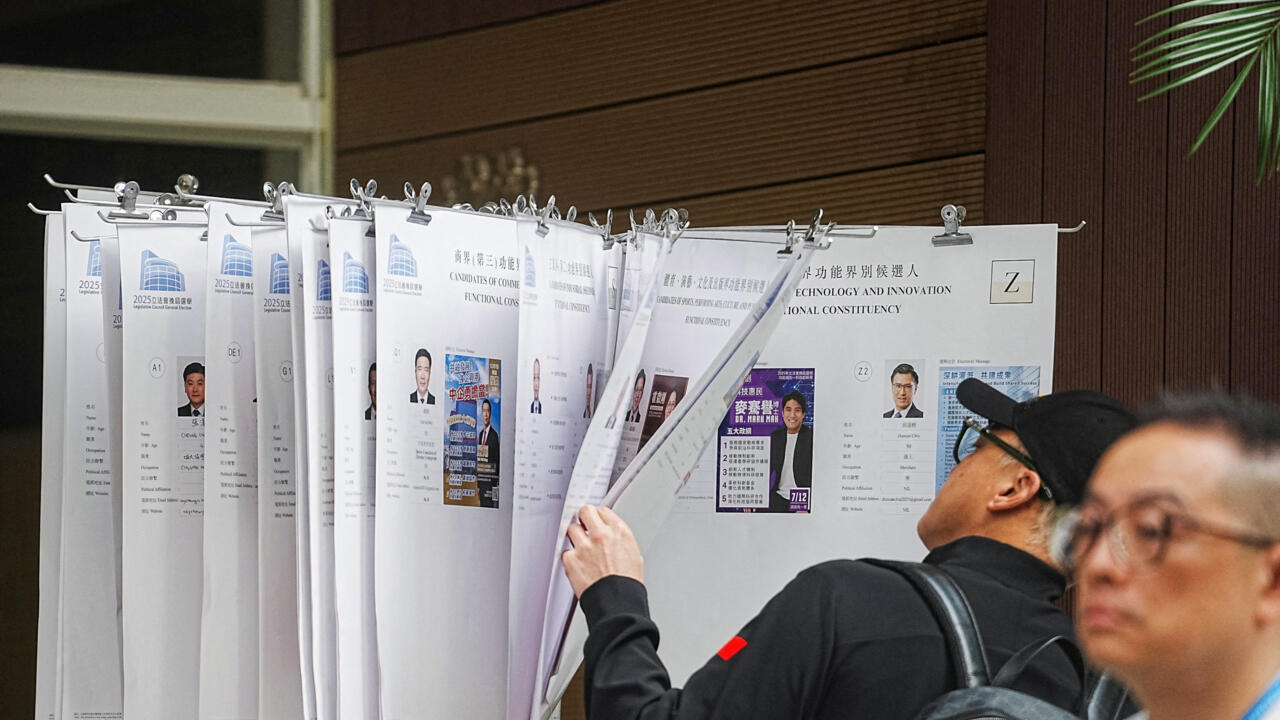
* Government-Vetted Candidates: The election featured 161 candidates pre-approved by the government. this contrasts sharply with the boisterous, competitive elections of the past.
* changing Faces: While some veteran lawmakers aren’t seeking re-election, new faces are emerging, like Olympic fencer Vivian Kong, contesting a seat through a functional constituency (steadfast by industry representatives, not popular vote).
Concerns Over Voter Turnout & Election Integrity
Alongside the systemic changes, concerns have surfaced regarding voter turnout and potential interference. The anti-corruption watchdog arrested eleven individuals for attempting to discourage voting or invalidate ballots.
This backdrop raises questions about the legitimacy and representativeness of the election results.The focus has shifted from a genuine contest of ideas to a process designed to ensure a specific outcome.
Media Scrutiny & National security Concerns
The situation is further elaborate by increased scrutiny of media coverage. China’s national security agency in Hong Kong summoned representatives from international media outlets, including AFP and the Associated Press, warning them against “crossing the legal red line.”
* Allegations of False Facts: Authorities claim some foreign media spread misinformation about the fire relief efforts and interfered with the elections.
* Restrictions on Press Freedom: The Office for Safeguarding National Security explicitly stated that ”freedom of the press” cannot be used as a pretext to interfere in China’s or Hong Kong’s internal affairs.
This warning underscores the growing restrictions on press freedom and the sensitivity surrounding coverage of politically charged events in Hong Kong.
What Does This Mean for the Future?
The convergence of the fire and the elections paints a complex picture of Hong Kong. While the government is responding to the immediate crisis, the underlying political changes are reshaping the region’s future.
You can expect continued scrutiny of the government’s handling of both the recovery efforts and the new legislative council. the focus will be on transparency, accountability, and whether