US Soybean Farmers Receive Aid Amidst Shifting Trade Dynamics with China
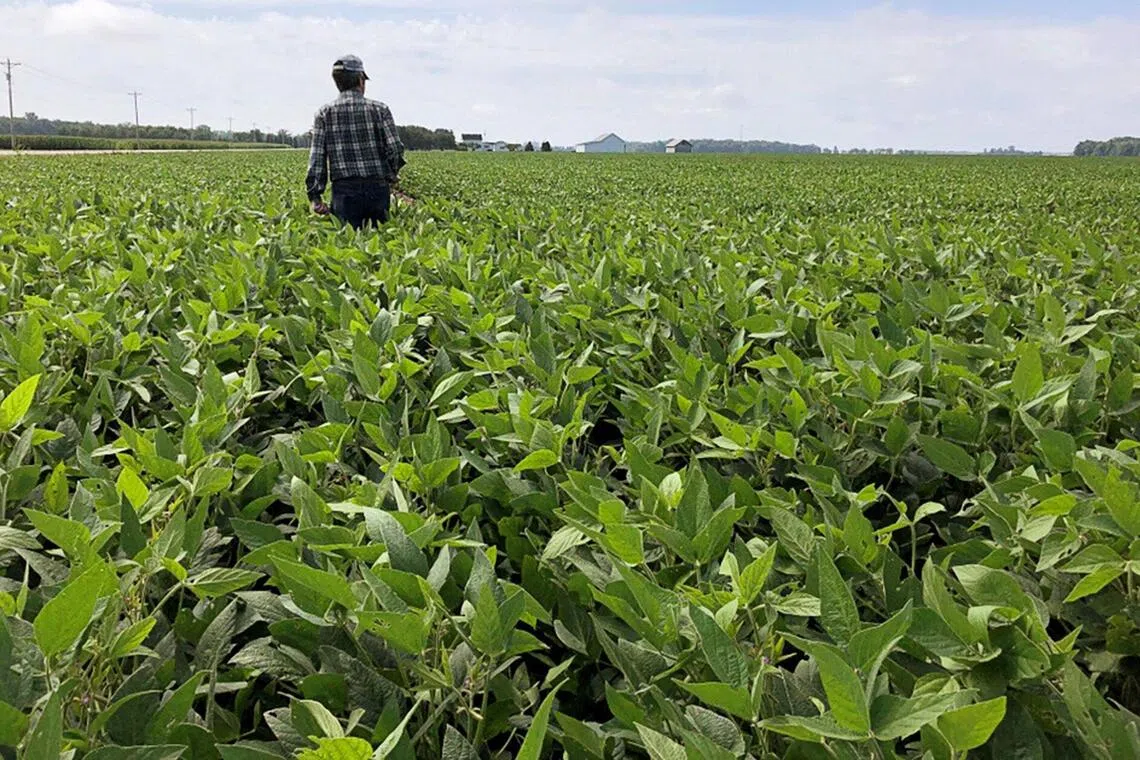
American soybean farmers are receiving much-needed financial assistance as they navigate a complex landscape of trade relations with China and fluctuating commodity prices. As of October 30th, the US Department of Agriculture (USDA) has distributed $2.25 million in aid, but concerns remain about meeting export targets and regaining lost market share. This article delves into the current situation, the history of trade tensions, and the programs designed to support US agricultural producers.
Current Status & China’s Demand
While China has committed to purchasing 12 million tons of US soybeans by the end of February – a target currently considered achievable according to industry analysts – current export volumes are lagging. This highlights a critical challenge: fulfilling demand while competing with other major soybean producers, especially Brazil.
In 2024, the US accounted for one-fifth of China’s soybean imports, representing over $12 billion in trade. Maintaining and expanding this share is vital for the US agricultural economy.
A History of Trade Wars & Farmer Aid
The current situation is deeply rooted in the trade war initiated during the Trump management. Between 2018 and 2019, a staggering $28 billion in aid was directly distributed to farmers to offset losses incurred due to retaliatory tariffs imposed by China.
However, this aid, while providing short-term relief, had unintended consequences. China diversified its soybean sourcing, increasingly relying on Brazil. This shift in reliance continues to impact US market access.
New Aid Programs & Funding Mechanisms
The Biden administration, and previously the Trump administration, have continued to implement programs to support farmers. The latest initiative is authorized under the Commodity Credit Corporation Charter Act and administered by the Farm Service Agency.
Originally, former President Trump proposed funding the program through tariff revenue collected from China. Implementation was delayed due to a government shutdown,but the program is now underway.
Addressing Rising Costs & Falling Prices
Even with recent optimism fueled by potential trade breakthroughs with China, soybean futures remain near 2020 lows. This price erosion significantly impacts farmer income, especially as input costs – like fertilizers – continue to rise.
To mitigate thes pressures, the USDA launched the Emergency Commodity Assistance Program in March. Authorized by Congress in late 2024, this program aims to provide up to $10 billion in aid. As of November 23rd, over $9 billion has been distributed, with corn and soybean farmers receiving the largest share.
Political Rhetoric & Future Outlook
The issue remains politically charged. Former President Trump has publicly criticized the Biden administration for not adequately enforcing the soybean purchase agreements outlined in the Phase One trade deal negotiated during his first term.
Looking ahead, the US agricultural sector faces a delicate balancing act. Successfully navigating trade relations with China, managing input costs, and ensuring stable commodity prices will be crucial for the long-term health of American soybean farming.
Key Takeaways:
* Trade Dependency: China remains a critical market for US soybeans, but competition from Brazil is intensifying.
* Government Intervention: Significant government aid has been provided to farmers in recent years, but its long-term effectiveness is debated.
* cost Pressures: Rising input costs and falling commodity prices are squeezing farmer profits.
* Political Landscape: Trade with China remains a politically sensitive issue with ongoing scrutiny.
Resources:
* US department of Agriculture
Disclaimer: This article provides general information and should not be considered financial or agricultural advice.Consult with qualified professionals for specific guidance.
- Fatal Tram Attack in Schaarbeek: Police Find Key Witness as Community Honors Hero Driss Atounane
- Art Exhibitions in Arcachon: Promenade des Arts & MicroMettalica (August 2026)
- At typically tranquil Camp David, Trump publicly lashes out at political enemies (archyworldys.com)
- Olivia Wilde’s New Dinner Party Movie: Cast and Plot Details (archynewsy.com)