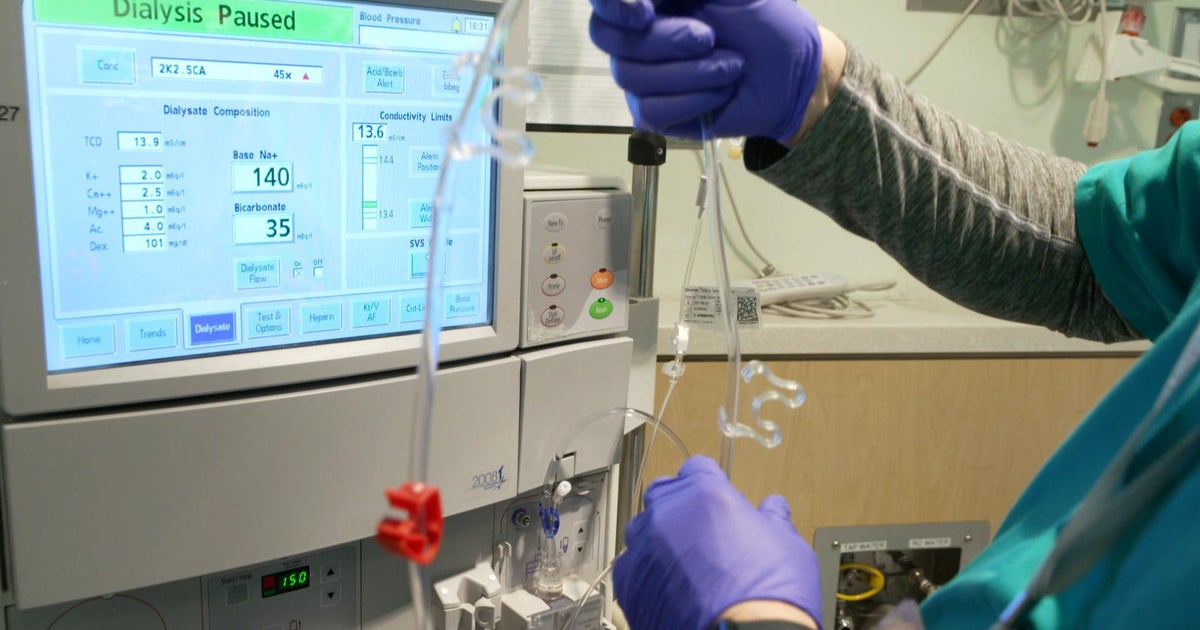
The Growing Concerns Surrounding For-Profit Dialysis Care: A Deep Dive
The life-sustaining treatment of dialysis is increasingly dominated by two major for-profit companies: DaVita and Fresenius. While providing a critical service too hundreds of thousands, a growing body of evidence and a recent Federal Trade Commission (FTC) investigation are raising serious questions about the quality of care, competitive practices, and potential harm to patients – particularly vulnerable populations like veterans. This article will explore the issues, the data, and what’s being done to address them.
The Scale of the Industry
Dialysis is a necessity for individuals with end-stage kidney disease. DaVita alone provides approximately 29 million dialysis treatments annually, generating roughly $391 in revenue per session. Combined,DaVita and Fresenius control a meaningful portion of the market,reporting a total revenue of $33.7 billion. This massive scale demands scrutiny.
what’s Fueling the Concerns?
Recent research paints a concerning picture of what happens when autonomous dialysis clinics are acquired by these large corporations. A study highlighted by Senator Richard Blumenthal reveals a pattern of negative outcomes:
* Transplant Referrals Drop: A roughly 10% decrease in referrals for life-saving kidney transplants.
* Reduced patient Survival: A 2% decline in patient survival rates.
* Increased Hospitalizations: A 5% rise in hospitalizations,indicating potentially poorer ongoing care.
* Higher Infection Rates: A concerning 12% increase in infection rates within acquired clinics.
These statistics suggest that consolidation within the dialysis industry might potentially be directly impacting patient health.
CMS Inspections Reveal Systemic Issues
The Centers for Medicare & Medicaid Services (CMS) routinely inspects dialysis centers to ensure quality standards are met. Since 2013, these inspections have uncovered over 115,000 deficiencies nationwide.These aren’t minor oversights; they include:
* Poor hand hygiene practices.
* Unsanitary conditions during IV medication handling.
* Inadequate staff training.
these findings raise serious questions about the consistency and quality of care provided across the industry.
How Do DaVita and Fresenius respond?
Both companies dispute the criticisms. Fresenius emphasizes its “unwavering focus on improving quality of life” and extending patient lifespans. DaVita maintains that its clinicians “consistently deliver high-quality, individualized care.”
They often characterize reported issues as “rare and isolated” incidents, dismissing concerns as “reckless, fear-mongering” that jeopardizes patient well-being. However, the sheer volume of CMS deficiencies suggests a more systemic problem.Fresenius points to its Medicare star ratings, noting that over 65% of its centers achieve three stars or higher – a rate they claim exceeds the national average.
A Disproportionate Impact on Veterans
A particularly troubling aspect of this situation is the reliance of veterans on for-profit dialysis clinics. Approximately 40,000 veterans depend on dialysis while awaiting kidney transplants. This makes them a particularly vulnerable population,and the potential for compromised care is deeply concerning.
The FTC Investigation & Call for Action
Senator Blumenthal has formally requested the FTC to investigate the practices of DaVita and Fresenius, alleging “predatory, monopolistic potential practices.” He argues the situation is “anti-competitive and anti-consumer” and warrants a thorough investigation.
Fresenius has stated they are “fully cooperating” with the FTC inquiry. DaVita and the FTC have yet to publicly comment on the investigation.
What Does This Mean for You?
If you or a loved one relies on dialysis, it’s crucial to be an informed and proactive patient. Here’s what you can do:
* Understand Your Options: Explore all available dialysis centers in your area, including independant clinics if possible.
* Review CMS Star Ratings: Use the Medicare.gov website to check the star ratings and inspection reports for dialysis facilities.
* Ask Questions: Don’t hesitate to ask your care team about their qualifications, infection control protocols, and transplant referral processes.
* Advocate for Yourself: Be an active participant in your care and voice any concerns you have.
* Stay Informed: Follow developments in the FTC
Related reading
- The Hidden Cruelty of Modern Society: Why Our Country Is Getting Crueler
- AI Bubble Bursts? Tech Giants Plunge as Markets Question AI Returns
- The Congressional Review Act, Explained: How Congress Kills Federal Rules (daybreakwire.com)
- Game Industry Layoffs Projected to Reach 14,259 by End of 2026 (archyworldys.com)