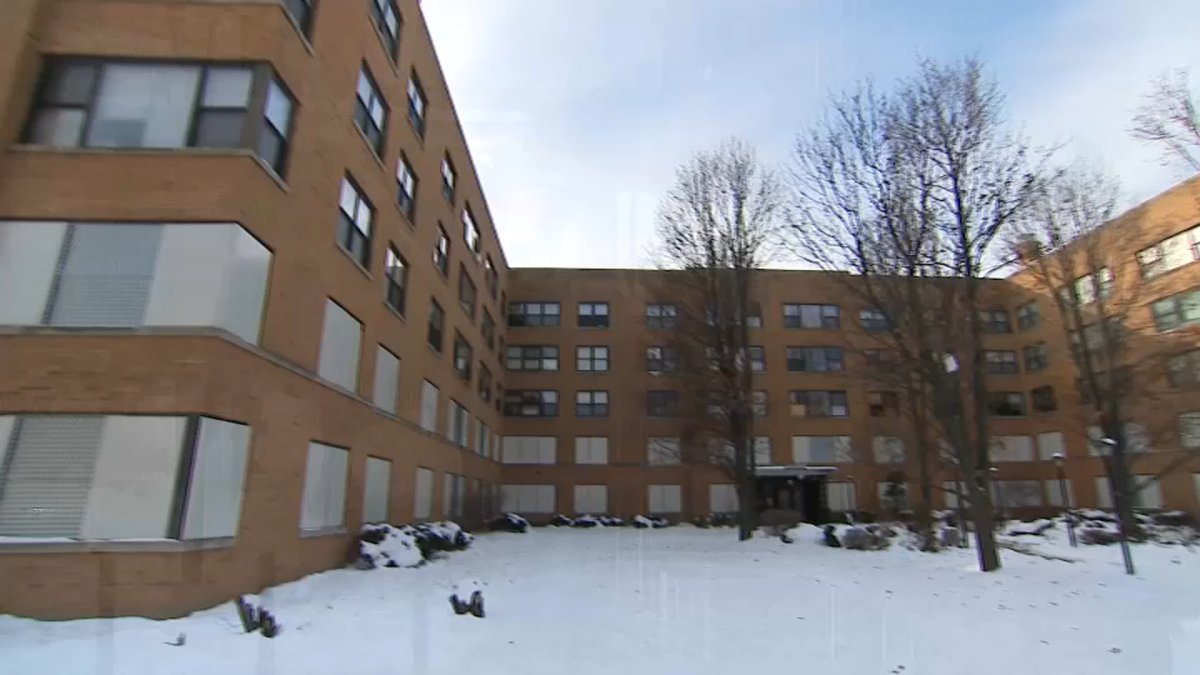
South Shore Apartment Residents Face Imminent Relocation Amidst Safety Concerns & Immigration Raid Aftermath
Chicago, IL – December 8, 2023 – Residents of the severely dilapidated apartment building at 7500 S. South Shore Drive in Chicago are facing a critical deadline. A Cook County judge has upheld a December 12th relocation order, despite pleas for more time and financial assistance. This decision follows a highly publicized federal immigration raid in september that brought the building’s perilous conditions into sharp focus. As a long-time observer of Chicago housing issues, I’ll break down the situation, the challenges facing residents, and what this means for the future.
A Building in Crisis: From Immigration Raid to Eviction Notice
The situation at 7500 S. South Shore Drive has rapidly deteriorated.The building gained national attention when federal immigration agents conducted a raid, temporarily detaining U.S. citizens alongside those facing immigration concerns. but the raid wasn’t the beginning of the problems. For months, tenants have been living with:
* Non-functioning electrical systems
* Inadequate heating, especially as winter approaches
* A broken elevator, creating hardship for many residents
These conditions prompted a tenants’ union to seek an extension of the relocation deadline, arguing that residents needed more time to find suitable housing. Chicago Mayor Brandon Johnson’s office also requested more time and increased financial support for those displaced.
Judge’s Ruling: Safety Takes Precedence
However, Cook County Judge Debra Ann Seaton ruled against extending the deadline. She cited testimony from city inspectors detailing the building’s hazardous state, stating she “cannot grant additional time” given the dire conditions. The judge also denied a request for additional relocation funds.
“Knowing the conditions of this building, I cannot grant additional time,” Judge Seaton stated in court.She emphasized the building poses “a dire hazard to residents inside.”
What’s Being Offered – And Why It’s Not Enough
while a court receiver, Friedman Communities, is assisting with relocation, many tenants feel the support is insufficient. residents are being offered up to $5,000 in relocation assistance, along with lists of potential resources. But as tenant Darren Hightower explained,”Thay’re handing us a piece of paper with phone numbers on it.”
This highlights a critical gap: simply providing resources isn’t the same as securing housing. many tenants, like Larry Ashley, poignantly ask, “You can give me $10,000, if I ain’t got nowhere to go, what am I going to do? Eat the money?”
The Human Cost: Where Will Residents Go?
The reality is, finding affordable housing in Chicago is already a significant challenge. For residents of 7500 S. South Shore Drive, the pressure is immense.
* Some tenants, like Raymond Corona, are relying on family for shelter.
* At least 12 have accepted relocation offers, but many are still uncertain about their future.
* Organizers with Southside Together are focused on preventing homelessness, recognizing the vulnerability of those being displaced.
The Mayor’s office acknowledges the deplorable conditions but admits a comprehensive re-housing plan hasn’t been presented to them by the court. This lack of a coordinated plan is deeply concerning.
Legal Battles & Building Ownership
The building’s owner is currently involved in ongoing litigation with the city regarding code violations. Attempts to contact the owner have been unsuccessful, adding another layer of complexity to the situation. The judge pushed back against accusations that the court isn’t concerned about the tenants’ well-being, emphasizing that the decision is rooted in safety.
What Happens Next?
A status hearing is scheduled for December 19th.However,the vacate date for tenants remains firm: December 12th.
What This Means for Chicago & Beyond
The situation at 7500 S. South Shore Drive is a stark reminder of the challenges facing vulnerable renters in Chicago and across the nation. it underscores the need for:
* Proactive building code enforcement: Preventing properties from falling into disrepair in the frist place.
* Robust tenant protections: Ensuring residents have adequate time and resources to relocate when displacement is unavoidable.
* Affordable housing solutions: Addressing the underlying shortage of affordable housing options.
* Coordinated disaster response: A