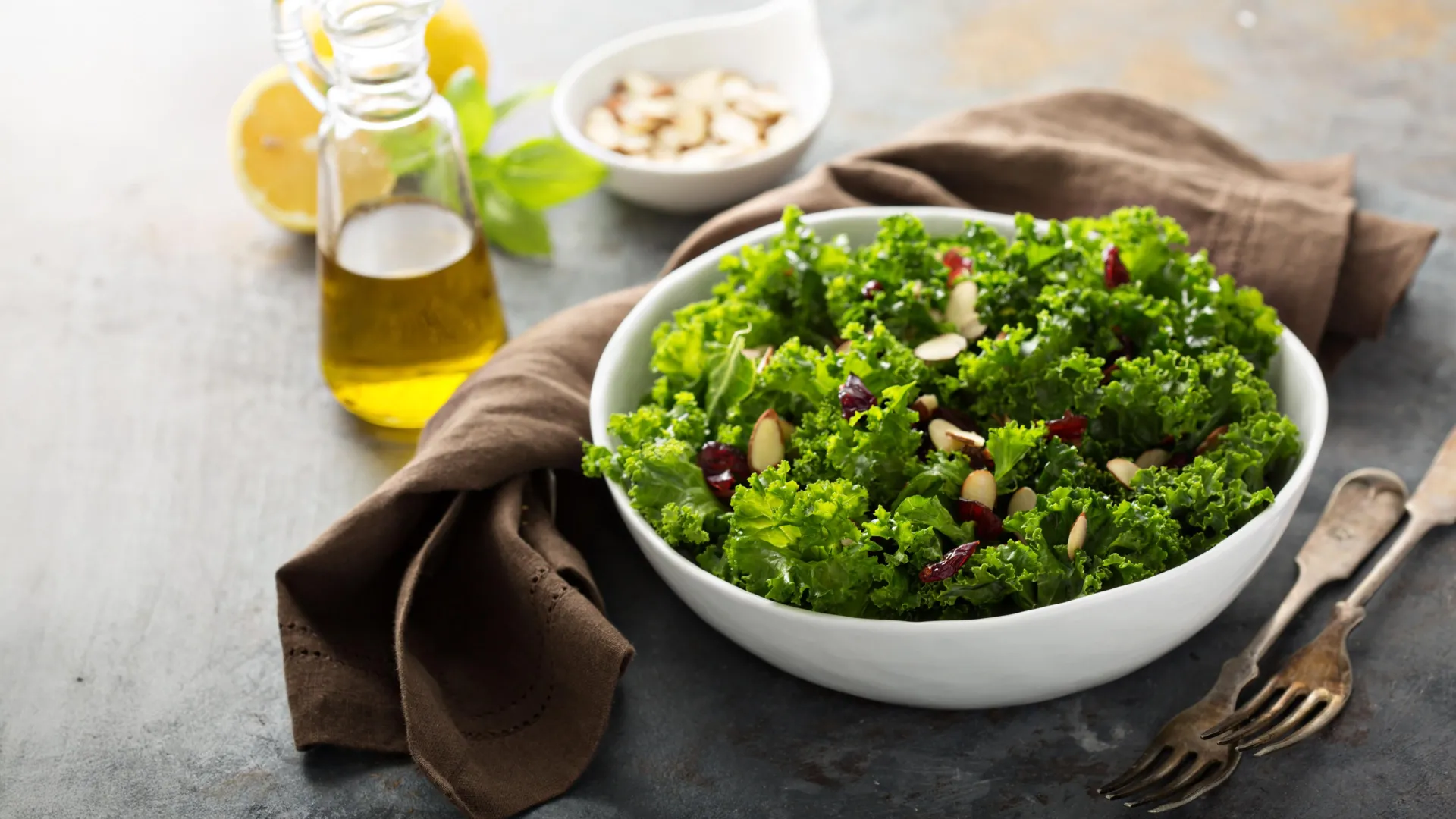
Unlock Kale‘s full Potential: The Simple trick to Maximize Nutrient Absorption
Kale consistently ranks among the most nutrient-dense foods on the planet.But are you actually absorbing all the goodness packed into those leafy greens? For many,the answer is a surprising no.Simply adding kale to your diet isn’t enough; maximizing its benefits requires a strategic approach to preparation.
Fortunately, recent research reveals a remarkably simple solution: pair your kale with a fat source.
The Science behind Kale’s Hidden Nutrients
Kale is brimming with carotenoids – lutein, α-carotene, and β-carotene – powerful antioxidants linked to improved vision, robust immunity, and a reduced risk of chronic diseases like heart disease, diabetes, and certain cancers. It also boasts meaningful levels of vitamins C and E, alongside other vital bioactive plant compounds. However, these beneficial nutrients present a bioavailability challenge.
Carotenoids are fat-soluble, meaning they require fat to be properly absorbed by the body. Without adequate fat intake alongside your kale, a significant portion of these valuable nutrients simply passes through your digestive system unabsorbed.
University of Missouri Research: Fat is the Key
A groundbreaking study from the University of Missouri’s College of Agriculture, Food and Natural Resources (CAFNR) confirms this.Researchers investigated whether cooking methods or specialized sauces could enhance carotenoid absorption from kale.Their findings were clear: the presence of fat dramatically increases nutrient uptake, nonetheless of whether the kale is raw or cooked.
The research team, led by Assistant Professor Ruojie (Vanessa) Zhang, utilized a sophisticated laboratory model mimicking human digestion. They tested various preparation methods: raw kale, cooked kale, raw kale with dressing/sauce, cooked kale with dressing/sauce, and kale cooked in sauce.
The results were compelling. Raw kale yielded minimal carotenoid absorption, and cooking alone slightly reduced absorption. However, incorporating a nanoemulsion-based sauce significantly boosted carotenoid uptake, whether the kale was consumed raw or cooked. Notably, cooking kale with the sauce provided the same benefit as adding it afterward.
Beyond Olive Oil: Optimizing Your Kale Consumption
While the study highlighted the effectiveness of nanoemulsion-based sauces, the principle remains the same: fat unlocks kale’s nutritional power. Practical, everyday options include:
* Olive Oil: A classic and healthy choice for dressings and light sautéing.
* Avocado Oil: Another excellent option with a mild flavor and high smoke point.
* Mayonnaise: Yes, even mayonnaise! Used in moderation, it provides a readily available fat source.
* nut-Based Dressings: Tahini-based or other nut-based dressings offer both flavor and healthy fats.
* Full-Fat Yogurt Dressings: A creamy and probiotic-rich option.
The key is to ensure a sufficient amount of fat is present to facilitate nutrient absorption. Experiment with diffrent flavors and preparations to find what you enjoy most.
The Future of Nutrient Bioavailability
This research isn’t just about kale. It opens exciting avenues for enhancing the bioavailability of nutrients in a wide range of vegetables. Professor Zhang and her team are actively exploring the development of innovative dressings and sauces designed to maximize nutrient absorption across various produce types.
“Our team is committed to advancing food science with the goal of improving human health through the development of innovative foods and technologies,” says Zhang. “We believe impactful science can drive meaningful change in global nutrition and well-being, and we’re excited to contribute to that mission.”
This study underscores a powerful message: it’s not just what you eat, but how you eat it. By understanding the science of nutrient absorption, we can unlock the full potential of healthy foods like kale and optimize our overall well-being.
Study Details:
“Culinary strategies for improving carotenoid bioaccessibility in kale: The role of thermal processing and excipient emulsions,” Food Nutrition.
Research Team:
* Dr. Zipei Zhang, University of Missouri
* Hangxin Zhu, University of missouri
* Dr. David Julian McClements, University of Massachusetts, Amherst.